
Laboratory biosafety and contamination control are critical considerations within the scientific community. With the growing demands for effective sterilization workflows, especially in high-stakes environments such as BSL-2 and BSL-3 microbiology labs, the need for superior laboratory sterilization equipment has never been more pronounced. Traditional methods, like alcohol lamps and Bunsen burners, may not meet the rigorous safety standards required in modern laboratories. This is where the Micro Incinerator or Infrared Inoculating Loop Sterilizer emerges as a transformative solution.
Understanding the Technical Principles of Micro Incinerators
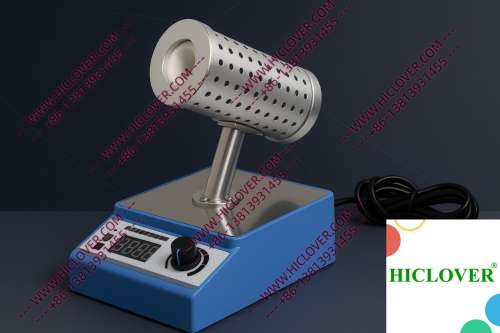
The Micro Incinerator operates on the principle of rapid thermal sterilization through the use of high temperatures generated by infrared heating elements. Enclosed within a robust ceramic heating chamber, this device offers an innovative alternative that minimizes exposure risks often associated with flame-based sterilization methods.
- Rapid Thermal Sterilization: Achieves sterilization within seconds, significantly reducing wait times.
- Contamination Control: Reduces aerosol emissions, making it ideal for clean-bench-safe environments.
- Enclosed Ceramic Tube: Protects the heating elements and enhances the longevity of the equipment.
- Portability: Ideal for various laboratory settings including teaching labs and field operations.
- Compliance with the WHO biosafety guidelines is critical for laboratories handling potentially infectious materials.
- Utilizing non-flame sterilizers like micro incinerators minimizes safety risks, particularly in clean rooms where flames are prohibited.
- Sustainability is enhanced by reducing the use of consumables, such as alcohol swabs, thus minimizing waste.
- What is the primary advantage of using a Micro Incinerator in sterile workflows?
Rapid thermal sterilization reduces contamination risks while enhancing safety and efficiency. - Can Micro Incinerators be used in BSL-3 labs?
Yes, these devices meet the required biosafety compliance standards, making them suitable for high-level containment facilities. - How does the Micro Incinerator differ from traditional flame sterilizers?
It provides a safer, faster, and more environmentally friendly sterilization option without the need for open flames. - Are Micro Incinerators compliant with international sterilization standards?
Absolutely, they adhere to WHO biosafety guidelines and other national laboratory standards. - What maintenance do Micro Incinerators require?
Regular cleaning and occasional checks on the ceramic heating chamber are generally sufficient to maintain optimal functionality.
Application Scenarios in Modern Laboratories
Micro Incinerators are versatile devices suitable for a variety of laboratory applications. Here are two specific scenarios illustrating their effectiveness:
1. Sterilization in Teaching Labs
In university teaching labs, where students learn microbiology techniques, the Micro Incinerator is an excellent tool for instilling the importance of contamination control. During exercises involving inoculation loops and media preparation, the rapid sterilization capabilities allow students to safely practice while ensuring that no residual growth from previous cultures compromises their experiments.
2. Field Testing Environments
For researchers conducting field testing, particularly in clinical diagnostics or environmental microbiology, the Micro Incinerator provides a reliable means of sterilization on the go. Its portable design allows scientists to safely sterilize tools without the need for cumbersome setups. Furthermore, in regions where electrical reliability may be an issue, these devices often require minimal energy, making them highly efficient even in challenging locations.
Biosafety Compliance and Environmental Considerations
The importance of adhering to biosafety protocols cannot be overstated, as outlined by the World Health Organization (WHO). Many laboratories are tasked with meeting stringent sterilization standards to ensure safety and compliance:
Advantages of Micro Incinerators vs. Traditional Flame Sterilizers
When comparing Micro Incinerators to traditional flame sterilizers, several clear advantages emerge:
| Feature | Micro Incinerator | Flame Sterilizers |
|---|---|---|
| Safety | No open flames, minimizing fire risk | Open flames, higher fire hazard |
| Speed | Rapid sterilization in seconds | Variable time based on flame stabilization |
| Portability | Lightweight and portable | Typically heavier and less portable |
| Environmental Impact | Lower emissions and waste | Higher consumption of alcohol and other consumables |
Frequently Asked Questions
Conclusion
The Micro Incinerator or Infrared Inoculating Loop Sterilizer represents a significant advancement in laboratory sterilization technology, particularly in Melbourne’s scientific community. Its efficiency, portability, and adherence to biosafety standards make it an essential tool for diverse laboratory environments—from BSL-2 teaching labs to field research scenarios. If you are looking to enhance the safety and effectiveness of sterilization in your lab, consider integrating a Micro Incinerator into your workflow. For inquiries or to make a purchase, reach out to us today!
Categories:
Tags: