
In the realm of laboratory biosafety, effective sterilization is crucial to prevent contamination and ensure the integrity of experiments. Traditional methods, such as alcohol lamps and Bunsen burners, pose several challenges. They not only increase the risk of unwanted contaminants but also present safety hazards associated with open flames. As the demands of laboratory workflows evolve, so too does the need for innovative sterilization technologies. The Micro Incinerator, particularly the Infrared Inoculating Loop Sterilizer, offers a practical solution to these challenges.
Technical Principles of Micro Incinerators
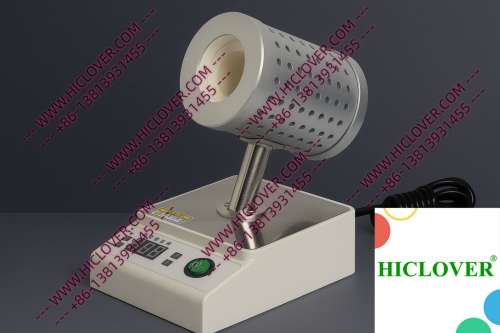
Micro Incinerators utilize infrared technology to deliver rapid thermal sterilization in a highly efficient manner. These devices feature an enclosed ceramic tube that houses an infrared heating element. The enclosed design minimizes aerosol generation, thereby promoting contamination control—an essential aspect of biosafety protocols in laboratories.
The infrared high-temperature disinfection process ensures that inoculating loops, needles, and other small instruments are sterilized within seconds, reducing wait times compared to traditional flame-based methods. This efficiency allows for smoother workflow, especially in busy laboratory settings.
Applications of Micro Incinerators in Laboratories
1. Biosafety Cabinet Usage
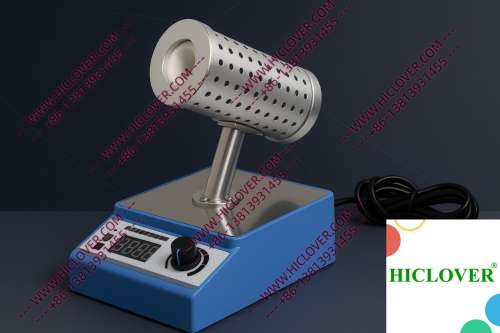
In BSL-2 and BSL-3 microbiology labs, the Micro Incinerator is an invaluable tool for sterilizing instruments without the risk of open flames. Operated within a biosafety cabinet, it provides a clean, controlled environment where aerosols are effectively contained, thus enhancing the safety of laboratory personnel.
2. Field Testing Scenarios
Field testing often involves unique challenges, including the need for portable sterilization solutions. The Infrared Inoculating Loop Sterilizer, designed for field use, offers a lightweight, battery-operated option that ensures effective sterilization away from traditional lab setups. This versatility is critical for microbiologists conducting experiments in remote locations.
Compliance and Environmental Impact
Organizations like the World Health Organization (WHO) have stringent biosafety and lab sterilization standards to follow. The Micro Incinerator aligns with these requirements by ensuring no flame is present in clean rooms, significantly decreasing the risk of accidental fires and contamination. The environmentally friendly nature of micro incinerators also supports sustainability initiatives within laboratories, reducing the reliance on traditional, higher carbon footprint methods.
By adopting infrared sterilization, laboratories not only comply with international standards but also contribute to a cleaner, more sustainable future. In Canada, where environmental concerns are increasingly prioritized, using such technologies can reflect positively on institutions’ commitments to responsible practices.
Advantages of Micro Incinerators Over Traditional Flame Sterilizers
- Rapid Thermal Sterilization: Achieves sterilization in seconds, making it time-efficient.
- Safety: Eliminates open flames, decreasing risks of burns and fire-related incidents.
- Aerosol-Free Handling: Reduces the risk of airborne contamination, crucial in high-stakes laboratory conditions.
- Controlled Environment: Operates effectively in sterile environments like CO₂ incubators or anaerobic chambers.
Comparison of Micro Incinerators vs. Flame Burners
| Feature | Micro Incinerator | Flame Burners |
|---|---|---|
| Safety | No open flames, reduced fire hazard | Risk of burns and fire |
| Efficiency | Rapid thermal sterilization | Longer waiting time for consistent heat |
| Aerosol Generation | No aerosols produced | Can create aerosolized particles |
| Portability | Lightweight and portable options available | Generally fixed and less portable |
Frequently Asked Questions (FAQs)
What is the main advantage of using a Micro Incinerator in the lab?
The primary advantage is rapid sterilization without the use of flames, minimizing safety risks and contamination potential.
How does infrared sterilization work in a Micro Incinerator?
Infrared sterilization uses heat generated through infrared radiation to quickly sterilize inoculating loops, ensuring efficient and effective results.
Are Micro Incinerators compliant with WHO biosafety standards?
Yes, they meet WHO and other international biosafety standards, making them suitable for use in high-containment laboratories.
Can Micro Incinerators be used in field testing labs?
Absolutely! Many models are designed for portability, making them ideal for field applications where traditional sterilization methods may not be feasible.
How can I procure a Micro Incinerator for my lab?
You can reach out to laboratory supply distributors who specialize in sterilization equipment or contact manufacturers directly for more information on purchases.
Conclusion
Micro Incinerators, particularly the Infrared Inoculating Loop Sterilizer, represent a significant advancement in laboratory sterilization technology. Their safety, efficiency, and environmental sustainability make them a superior choice over traditional flame sterilizers in various laboratory settings. For institutions seeking to enhance their sterilization processes while adhering to strict biosafety standards, investing in a Micro Incinerator is a prudent decision. If you’re interested in elevating your laboratory’s sterilization capability, we invite you to explore procurement options with our trusted partners.
Categories:
Tags: