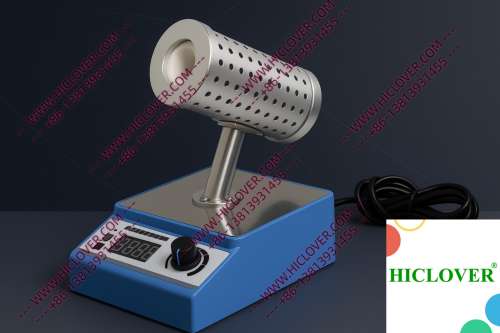
The increasing demand for effective waste management solutions in laboratories has led to innovative technology like micro incinerators, particularly in Turkey. As laboratories face biosafety challenges and the need for stringent sterilization workflows, the adoption of advanced sterilization equipment, such as Micro Incinerators and Infrared Inoculating Loop Sterilizers, has become essential.
Laboratory Biosafety Challenges
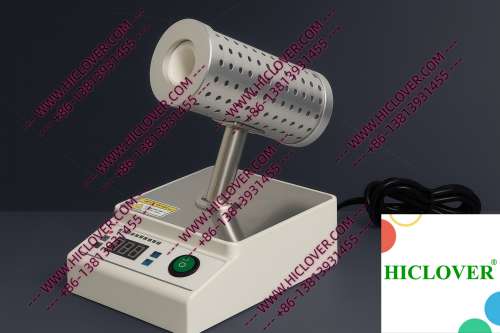
Laboratories operating under Biosafety Level 2 (BSL-2) and BSL-3 classifications deal with pathogens that pose a moderate risk to individuals and the environment. Consequently, these labs are under constant pressure to maintain high contamination control standards. Traditional flame sterilizers like alcohol lamps and Bunsen burners can introduce several complications such as:
- Open Flames: The use of open flames poses a potential fire hazard and requires rigorous safety protocols.
- Contaminated Aerosols: Flame sterilization can produce aerosols, increasing the risk of airborne contamination.
- Inconsistent Heating: Traditional flame sources may provide different heating levels, making them less reliable for sterilization tasks.
The need for efficient sterilization that meets regulatory compliance without increasing risks necessitates innovative solutions like the Micro Incinerator.
How Micro Incinerators Operate
Micro Incinerators utilize infrared heat generated within an enclosed ceramic tube to achieve rapid thermal sterilization. By heating up to 800°C or more in mere seconds, these devices allow for:
- Efficient Thermal Disinfection: The enclosed heating environment ensures that contamination is effectively destroyed without the creation of aerosols.
- Clean Operations: The compact design allows for use within biosafety cabinets, ensuring the safe handling of sterile mediums.
- Easy Maintenance: With no open flames, the risk of cross-contamination is significantly reduced, simplifying routine cleaning protocols.
The unique configuration of the Micro Incinerator allows for various applications in different lab setups.
Application Scenarios in Laboratories
1. Teaching Labs in Universities
In academic settings, where practical training in sterile techniques is critical, Micro Incinerators serve as an ideal solution for teaching lab courses. Students can practice inoculation and sterilization without exposure to hazardous flames or aerosols, enhancing their educational experience and safety.
2. Clinical Diagnostics in BSL-2 Labs
In clinical diagnostics, the need for rapid and efficient sterilization is paramount. Micro Incinerators fit seamlessly into workflows involving biological samples, ensuring tools are disinfected swiftly post-use. This contributes to maintaining a clean-bench-safe environment, essential for preventing cross-contamination in sensitive diagnostics processes.
Compliance with Biosafety and Sterilization Standards
Globally, laboratory regulations—especially from the World Health Organization (WHO)—outline best practices for biosafety and sterilization. The constant shift towards stringent lab sterilization standards encourages the adoption of modern devices that align with these regulations. Micro Incinerators provide an efficient, flame-free solution that fulfills the criteria for cleanroom operations, eliminating the need for open flames that could compromise safety.
Compliance and Environmental Considerations
In environmental terms, as countries like Turkey work towards better waste management practices, utilizing Micro Incinerators reduces reliance on traditional methods that could harm the environment. By incinerating biological waste cleanly, the impact of hazardous waste on landfills is minimized.
Micro Incinerators vs. Traditional Flame Sterilizers
The advantages of using Micro Incinerators over traditional flame sterilizers cannot be overstated. The following comparison highlights key differences:
| Feature | Micro Incinerator | Traditional Flame Sterilizer |
|---|---|---|
| Heating Method | Infrared heating with ceramics | Open flames |
| Safety | No open flames, reduced risk | Fire hazards, aerosols |
| Efficiency | Rapid thermal sterilization | Varies, slower |
| Use in Clean Rooms | Yes | No |
FAQ: Micro Incinerators and Laboratory Sterilization
What is a Micro Incinerator?
A Micro Incinerator is a laboratory device that uses infrared heat within a ceramic tube to sterilize inoculating loops and other equipment quickly and efficiently.
Are Micro Incinerators safe to use in clean rooms?
Yes, Micro Incinerators are designed to operate safely in clean rooms, unlike traditional flame sterilizers that can compromise air quality and safety standards.
How does infrared heating improve sterilization?
Infrared heating provides consistent, high-temperature disinfection without producing aerosols or open flames, thereby enhancing contamination control.
What are the benefits of using Micro Incinerators in BSL-2 labs?
Using Micro Incinerators in BSL-2 labs improves safety, reduces contamination risks, and complies with sterilization standards, all while providing rapid disinfection.
Conclusion
Micro Incinerators are revolutionizing the way laboratories manage sterilization and waste reduction. Their design not only meets the demands of modern biosafety but also assures compliance with international standards. If your laboratory is looking for effective sterilization solutions that prioritize safety and efficiency, consider integrating the Micro Incinerator into your workflow. Contact us today for more information and to explore our range of laboratory supply solutions.
Categories:
Tags: