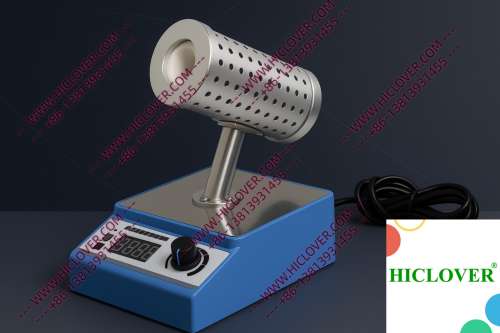
As Nepalese communities strive to improve their healthcare systems amidst increasing health challenges, laboratory safety and sterilization practices stand out as pivotal components for biosafety and effective disease management. One of the critical aspects of laboratory sterilization equipment is the Infrared Inoculating Loop Sterilizer, commonly referred to as the Micro Incinerator. In a landscape where laboratory professionals are tasked with maintaining cleanliness while reducing contamination risk, understanding the significance of advanced sterilization tools becomes imperative.
Understanding the Technical Principles of Infrared Loop Sterilizers
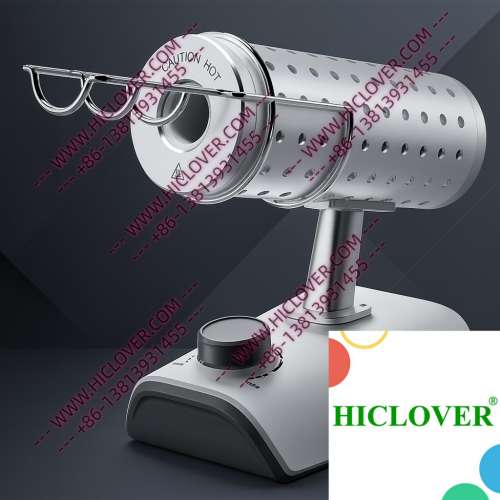
The Micro Incinerator operates on the principle of rapid thermal sterilization using infrared heat. It is designed to provide consistent, direct sterilization without the need for an open flame, which are commonly used in traditional flame sterilizers such as alcohol lamps or Bunsen burners. The device features an enclosed ceramic tube that generates high-temperature disinfection, effectively eliminating microbial contaminants. This innovative design minimizes aerosol generation and maximizes operator safety while augmenting workflow efficiency.
Applications of Micro Incinerators in Laboratory Settings
The versatility of the Micro Incinerator makes it a valuable asset across various laboratory environments in Nepal, including:
- Biosafety Cabinets: In BSL-2 and BSL-3 microbiology labs, the Micro Incinerator provides a clean and efficient method for sterilizing inoculating loops and needles, ensuring that work surfaces remain uncontaminated.
- Field Testing Labs: For mobile testing teams operating in rural areas, the compact and portable micro incinerator allows for reliable sterilization on-site, aiding in rapid diagnostics and sample collection while minimizing the risk of cross-contamination.
- University Teaching Labs: In educational environments, the Micro Incinerator enhances hands-on training for students learning sterilization techniques, embodying a safe and effective pedagogical tool that eliminates traditional flame hazards.
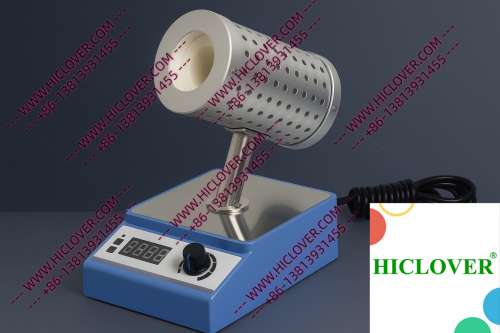
Comparison of Micro Incinerator and Traditional Flame Sterilizers
| Feature | Micro Incinerator | Flame Sterilizers |
|---|---|---|
| Safety | Enclosed design minimizes fire hazards | Open flames pose greater risks |
| Contamination Control | Rapid thermal sterilization without airborne particulates | Aerosol generation may introduce contamination |
| Portability | Lightweight and mobile for field use | Larger and requires a stable setup |
| Energy Efficiency | Quick heat-up time, lower energy consumption | Longer to heat, potential for wasted fuel |
Compliance with Biosafety Standards
In light of global health regulations, adherence to WHO biosafety and laboratory sterilization standards is more important than ever. The Micro Incinerator excels in complying with these stringent guidelines—especially regarding clean rooms and labs requiring no flame due to the risk of ignition. Utilizing such sterilization technologies supports laboratories in maintaining safer environments for personnel and samples alike.
Particularly in Nepal, where healthcare infrastructure struggles with limited resources, leveraging compliant technologies has the potential to safeguard public health more effectively. A transition toward modern sterilization equipment like the Infrared Inoculating Loop Sterilizer can contribute dramatically to the prevention of infection in both clinical and research settings.
Frequently Asked Questions (FAQs)
What are the primary benefits of using a Micro Incinerator over traditional sterilizers?
The Micro Incinerator offers enhanced safety, rapid thermal sterilization, reduced contamination risk, and portability compared to traditional flame-based methods.
Can the Micro Incinerator be used in field testing scenarios?
Yes, its compact design and efficient sterilization capabilities make it ideal for use in mobile or field testing labs.
Is the Micro Incinerator compliant with international biosafety standards?
Indeed, the Micro Incinerator is designed to meet WHO biosafety regulations, ensuring optimal safety in laboratories.
How does the Micro Incinerator improve the teaching environment in university labs?
By providing a safe and efficient way to practice sterilization techniques, the Micro Incinerator enhances the learning experience for students studying microbiology and laboratory practices.
Are there any maintenance requirements for the Micro Incinerator?
Routine cleaning and inspection of the ceramic heating element and overall device after extended use will prolong its service life and maintain optimal performance.
Conclusion
As confronting health challenges becomes increasingly crucial, investing in advanced sterilization technologies like the Micro Incinerator can make a tangible difference, especially within Nepalese communities. By opting for infrared inoculating loop sterilizers, laboratories can bolster their biosafety practices, streamline their sterilization workflows, and, ultimately, contribute to better healthcare outcomes. For inquiries or to explore purchasing options, please reach out to us for more information.
Categories:
Tags: