
In today’s rapidly advancing laboratory environment, professionals face formidable biosafety challenges that demand streamlined and effective sterilization methods. The need for rapid thermal sterilization is critical, with traditional systems often falling short in efficiency and safety. Enter the Micro Incinerator / Infrared Inoculating Loop Sterilizer, an innovation designed to revolutionize the sterilization workflow, particularly in high-traffic labs and teaching environments.
Understanding the Technical Principles
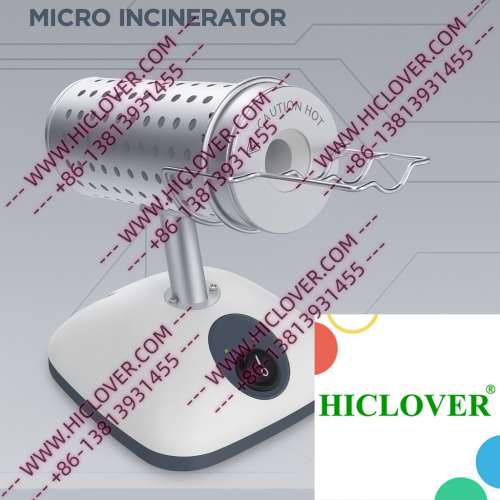
The Micro Incinerator operates on a unique mechanism utilizing infrared heat, which provides a rapid, enclosed, and aerosol-free approach to disinfecting inoculating loops. At the heart of its design features a ceramic heating chamber that can achieve high-temperature disinfection in mere seconds. This technology ensures that the sterilization process is not only efficient but also safe for use within clean bench environments, eliminating the risk of flame-related hazards.
Key Features of Micro Incinerator
- Rapid Heating: Heats up within seconds to eliminate microbial contaminants effectively.
- Enclosed Design: Reduces exposure to flame and potential aerosols, enhancing safety in BSL-2 and BSL-3 microbiology labs.
- Energy Efficient: Lower power consumption compared to traditional flame burners.
- Lightweight: Portable for ease of movement between different lab settings.
- Minimal Maintenance: Designed for easy cleaning and maintenance over time.
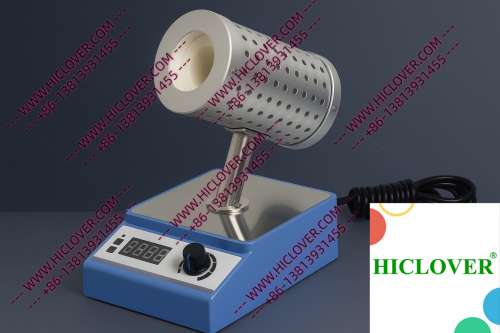
Application Scenarios in Real Labs
The versatility of the Micro Incinerator shines in a multitude of laboratory settings:
1. BSL-2 Microbiology Labs
In BSL-2 labs, which deal with moderate-risk pathogens, the Micro Incinerator is indispensable. When using a biosafety cabinet, researchers can quickly sterilize their inoculating loops while minimizing contamination risks. The locked environment of the biosafety cabinet, combined with the efficiency of the Micro Incinerator, ensures that researchers can maintain high safety standards while achieving rapid sterilization.
2. Teaching Laboratories
In educational settings, such as university teaching labs, students handle various biological materials. The Micro Incinerator’s fast heating capabilities provide an excellent opportunity for students to learn proper inoculation techniques without the hazards associated with flame burning. By demonstrating the importance of rapid thermal sterilization, educators can better prepare the next generation of scientists for safe laboratory practices.
Compliance and Environmental Considerations
With global organizations like the WHO setting stringent biosafety guidelines, compliance with laboratory sterilization standards is non-negotiable. The World Health Organization emphasizes the importance of effective sterilization processes in laboratories, particularly when handling infectious agents. Unlike traditional alcohol lamps or Bunsen burners, which can pose fire hazards and release aerosols, the Micro Incinerator is clean-room compliant, making it suitable for environments where no flame is allowed.
Moreover, the lower carbon footprint associated with the Micro Incinerator when compared to traditional flame sterilizers aligns with modern sustainability goals, aiding labs in becoming more environmentally friendly while maintaining thorough contamination control.
Comparative Table: Micro Incinerator vs. Flame Burners
| Feature | Micro Incinerator | Flame Burners |
|---|---|---|
| Heating Time | Seconds | Minutes |
| Safety | Aerosol-free, no flames | Risk of fire, potential aerosols |
| Energy Efficiency | High | Low |
| Portability | Easy to move | Typically stationary |
| Maintenance | Low | High |
Frequently Asked Questions (FAQs)
1. How does the Micro Incinerator compare to traditional sterilization methods?
Unlike traditional methods, the Micro Incinerator uses infrared heating for faster sterilization, reducing the chances of contamination and increasing safety.
2. Can the Micro Incinerator be used in a field testing environment?
Yes, its lightweight and portable design makes it ideal for mobile or field testing labs, allowing for efficient sterilization in various locations.
3. Is the Micro Incinerator compliant with WHO biosafety standards?
Absolutely! It adheres to biosafety regulations and is safe for operation in cleanroom environments, as it eliminates open flames and minimizes aerosol concerns.
4. What is the expected lifespan of a Micro Incinerator?
With proper maintenance, the Micro Incinerator can function effectively for several years, making it a reliable investment for laboratories.
5. Are there any downsides to using a Micro Incinerator?
The primary consideration is the initial cost, which may be higher than traditional flame devices; however, the long-term benefits in safety and efficiency justify the investment.
Conclusion
In summary, the Micro Incinerator / Infrared Inoculating Loop Sterilizer offers a transformative solution to the ever-present challenges of laboratory sterilization. With its rapid thermal sterilization capacity, adherence to biosafety standards, and versatility across various environments, it is time to embrace this innovative equipment. Reach out today to discover how the Micro Incinerator can enhance your laboratory’s workflow and safety measures.
Categories:
Tags: