
In the fast-paced world of laboratory research and clinical diagnostics, biosafety remains a paramount concern. Lab technicians frequently face challenges when it comes to effective sterilization workflows, particularly in environments where contamination control is critical. The emergence of fast heating loop sterilizers, specifically the Micro Incinerator or Infrared Inoculating Loop Sterilizer, is revolutionizing the methods used to achieve rapid thermal sterilization. This article discusses the technical principles, application scenarios, compliance standards, and benefits of transitioning from traditional flame sterilizers to these innovative systems.
Understanding the Technical Principles
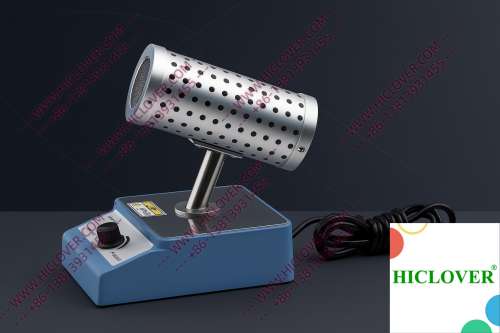
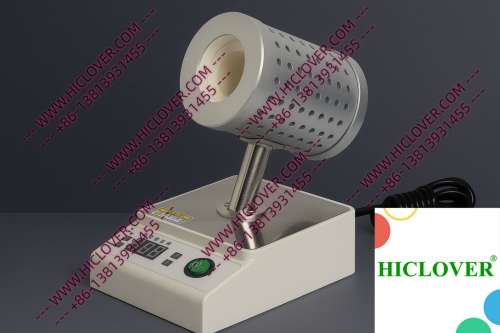
The core operation of the Micro Incinerator relies on advanced infrared heating technology. Unlike conventional flame sterilizers such as Bunsen burners or alcohol lamps, which can pose fire hazards and risk contamination, the Micro Incinerator utilizes a closed ceramic tube to provide a controlled, high-temperature environment. This ceramic heating chamber allows for precise temperature regulation, achieving sterilization in a matter of seconds without the presence of an open flame. The result is an efficient and clean sterilization process that is safe for use in biosafety cabinets and suitable for a variety of laboratory settings.
Key Features of Micro Incinerators
- Rapid Heating: Achieves sterilization in seconds.
- Flame-Free Operation: Reduces fire risk and contamination.
- Compact Design: Perfect for small laboratory settings.
- Durability: Made from high-quality materials for long-term use.
- Environmentally Friendly: Minimizes waste and emissions when compared to traditional methods.
- WHO biosafety standards
- ISO 11135 for ethylene oxide sterilization
- Guidelines concerning flame-free operations in clean rooms
Real Laboratory Applications
The adaptability of fast heating loop sterilizers makes them suitable for diverse laboratory environments, such as:
Biosafety Cabinets in BSL-2 and BSL-3 Laboratories
In biosafety laboratories, particularly those classified as BSL-2 and BSL-3, maintaining a sterile environment is essential to prevent contamination and the spread of hazardous pathogens. For instance, the Micro Incinerator can be effortlessly integrated into the workflow of a biosafety cabinet, providing quick sterilization of inoculating loops and needles without disrupting airflow. This integration aligns with WHO biosafety standards, showcasing the device’s ability to adhere to stringent regulations in high-risk environments.
Teaching Labs and University Settings
Educational institutions often face challenges when providing safe hands-on experiences for students studying microbiology or laboratory techniques. The Micro Incinerator offers a safer alternative to traditional flame techniques, facilitating effective learning while ensuring student safety. Additionally, the infrared heating technology minimizes aerosol production, providing an ideal solution that aligns with clean-bench practices often required in teaching labs.
Compliance and Environmental Considerations
With an increasing focus on laboratory sterilization standards, compliance with environmental regulations is crucial. The Micro Incinerator’s design supports adherence to various guidelines set forth by health authorities, such as:
Utilizing a flame-free sterilizer like the Micro Incinerator not only ensures compliance with such stringent guidelines but also enhances safety in research environments where open flames can compromise air quality and pose contamination risks.
Comparison: Micro Incinerator vs. Traditional Flame Sterilizers
| Feature | Micro Incinerator | Flame Burners |
|---|---|---|
| Heating Time | Seconds | Minutes |
| Flame Control | No Flame | Open Flame |
| Contamination Risk | Low | High |
| Maintenance | Low | Higher Due to Fuel |
| Operational Safety | High | Moderate |
FAQs
1. What is the main advantage of using a Micro Incinerator over a traditional flame sterilizer?
The primary advantage is its rapid sterilization capability without the fire risks associated with open flames, making it safer and more efficient for laboratory environments.
2. Can the Micro Incinerator be used in biosafety cabinets?
Absolutely! Its flame-free operation makes it ideal for use within biosafety cabinets, adhering to biosafety protocols.
3. How does the Micro Incinerator achieve effective sterilization quickly?
It utilizes powerful infrared heating technology within a closed ceramic chamber, allowing it to reach high temperatures rapidly for effective sterilization.
4. Is the Micro Incinerator suitable for use in teaching labs?
Yes, its safety features and ease of use make it an excellent choice for educational environments, allowing students to learn sterilization techniques without exposure to open flames.
5. What environmental compliance does the Micro Incinerator meet?
The Micro Incinerator complies with various standards, including WHO biosafety guidelines and ISO protocols for laboratory sterilization.
Conclusion
The Micro Incinerator or Infrared Inoculating Loop Sterilizer represents a significant advancement in laboratory sterilization technology, providing a rapid, safe, and environmentally friendly alternative to traditional methods. Whether in BSL-2 or BSL-3 labs or even in university teaching settings, embracing this innovative solution can enhance workflow efficiency while ensuring compliance with essential biosafety regulations. For further inquiries on acquiring this cutting-edge equipment, please reach out to us for more information!
Categories:
Tags: