
In modern laboratory settings, maintaining strict biosafety protocols is paramount. Research scientists and technicians face the challenging task of ensuring sterilization to prevent contamination while managing workflow efficiency. Traditional sterilization methods, such as alcohol lamps and Bunsen burners, have significant limitations. These include the risk of fire hazards, production of aerosols, and difficulties in achieving consistent sterilization across diverse environments. Enter the Micro Incinerator, or Infrared Inoculating Loop Sterilizer, which transforms the sterilization process by harnessing infrared heat for fast, safe, and effective disinfection.
How Micro Incinerators Work
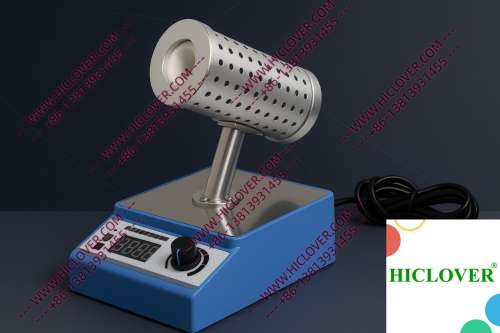
The Micro Incinerator operates on the principle of rapid thermal sterilization. Unlike traditional flame-based systems, this sterilizer utilizes an enclosed ceramic heating chamber which generates intense infrared heat. The configuration allows the device to reach high temperatures quickly and maintain them consistently, facilitating effective sterilization of inoculating loops, needles, and other tools used in labs.
Advantages of Micro Incinerators
- Safety: Eliminates the risks associated with open flames.
- Efficiency: Enables rapid sterilization without cooling downtime.
- Ease of Use: Simple operation, making it accessible for all skill levels.
- Space-Saving Design: Compact size for easy integration into any lab environment.
- No Aerosols: Significantly reduces contamination risks.
- Field Testing Labs: Compact and easy to transport, ideal for sterilization in remote settings.
- CO₂ Incubator Operations: Reduces contamination during cell culture processes.
- Mobile Laboratories: Perfect for biomedical research where traditional equipment is not feasible.
Real-World Applications of Micro Incinerators
Micro Incinerators find widespread applications in various laboratory settings:
1. Microbiology and Clinical Diagnostics
In biosafety level 2 (BSL-2) and BSL-3 microbiology labs, the Micro Incinerator serves as an invaluable tool for decontaminating inoculating loops and needles during microbial culturing. The rapid thermal cycle minimizes the chances of cross-contamination, ensuring sample integrity. In clinical diagnostics labs, where fast and accurate results are essential, the efficiency of the sterilizer reduces turnaround times while maintaining rigorous safety standards.
2. Teaching Laboratories
Educational institutions benefit from the integration of Micro Incinerators in teaching labs. Students learn the importance of sterilization protocols in practical experiments without the hazards associated with flame sterilization. They can focus more on scientific exploration rather than managing the risks associated with using open flames.
Compliance with Safety Standards
Biosafety compliance is critical in laboratory operations. The World Health Organization (WHO) and other regulatory bodies emphasize stringent sterilization protocols to ensure safety in handling biological materials. Micro Incinerators align with these safety standards by offering a flame-free option, crucial for clean rooms and other sensitive environments. Unlike alcohol lamps or Bunsen burners, which can introduce contaminants through flames or aerosols, the Micro Incinerator guarantees a clean, controlled sterilization process.
Furthermore, many modern research facilities require equipment that meets international standards for biosafety and sterilization. The Micro Incinerator meets compliance requirements that dictate preference for methods which minimize contamination risks, significantly enhancing safety in laboratories worldwide.
The Future of Laboratory Sterilization Equipment
As laboratories continue to evolve, the demand for innovative sterilization solutions is increasing. The Micro Incinerator stands out for its role in streamlining sterilization workflows across various applications:
Frequently Asked Questions
1. How does a Micro Incinerator differ from a traditional flame sterilizer?
Micro Incinerators utilize infrared heat for rapid sterilization, eliminating open flames and reducing contamination risks, while traditional flame sterilizers rely on combustion.
2. Can I use the Micro Incinerator in a BSL-2 laboratory?
Absolutely! Micro Incinerators are compliant with BSL-2 and BSL-3 laboratory standards, ensuring safe and effective sterilization.
3. What are the operating costs of a Micro Incinerator?
Micro Incinerators are energy-efficient and require minimal maintenance, making them a cost-effective choice for laboratories.
4. Is it advisable to use a Micro Incinerator in mobile laboratories?
Yes, their compact and lightweight design makes them an ideal choice for mobile lab operations.
5. How does the sterilization process contribute to overall laboratory efficiency?
Streamlined sterilization processes ensure quick turnaround times for experiments and operations, ultimately supporting higher productivity levels in the lab.
A Comparative Insight: Micro Incinerator vs. Traditional Flame Burners
| Feature | Micro Incinerator | Flame Burners |
|---|---|---|
| Safety | Fire hazard-free | Open flames present risks |
| Efficiency | Fast sterilization, no cooldown | Time-consuming and inconsistent |
| Contamination Control | No aerosols produced | Aerosol generation might occur |
| Space Requirement | Compact design | Requires more space |
Conclusion
In a world navigating increasing laboratory biosafety challenges, the Micro Incinerator shines as an innovative solution for effective contamination control. As laboratories around the globe prioritize compliance with biosafety standards, this advanced equipment presents a robust replacement for traditional flame sterilizers. For laboratories seeking to enhance their sterilization workflows and amplify safety protocols, the Micro Incinerator is more than just a tool; it’s a pathway to superior laboratory performance.
If you’re interested in upgrading your laboratory sterilization solutions with cutting-edge Micro Incinerators, feel free to reach out for additional information. Your commitment to laboratory safety and efficacy starts with the right equipment.
Categories:
Tags: