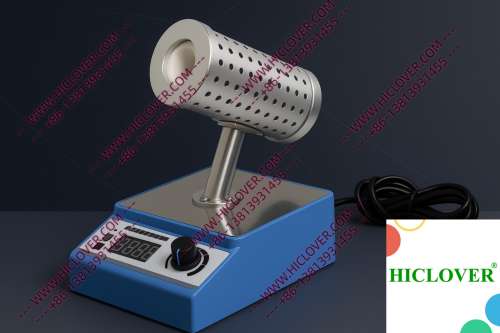
In the realm of laboratory operations, ensuring biosafety and effective contamination control is crucial. Laboratories face numerous challenges, including the need for rapid thermal sterilization of instruments and maintaining a sterile environment. One of the critical tools that have gained prominence is the Micro Incinerator or Infrared Inoculating Loop Sterilizer. In this article, we will delve into its utility, technical principles, applications in various laboratory settings, compliance with global standards, and its superiority over traditional flame sterilizers.
The Science Behind Micro Incinerators
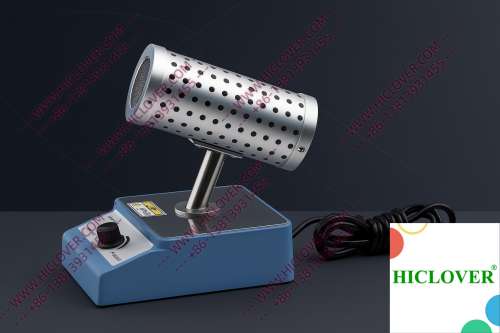
The Micro Incinerator employs infrared heat to sterilize inoculating loops and other small laboratory tools. Unlike traditional flame sterilizers that rely on open flames from alcohol lamps or Bunsen burners, the Micro Incinerator features an enclosed ceramic heating chamber that generates high-temperature thermal disinfection rapidly. This design ensures efficient heating while minimizing aerosol production, making it a clean-bench-safe option for critical biosafety cabinet operations.
Additionally, the infrared technology allows for targeted heating, which can achieve sterilization in just a matter of seconds. By providing a reliable and consistent heat source that can easily be managed, this device enhances workflow, promotes safety, and reduces potential hazards associated with open flames.
Applications in Real Lab Environments
1. University Teaching Labs
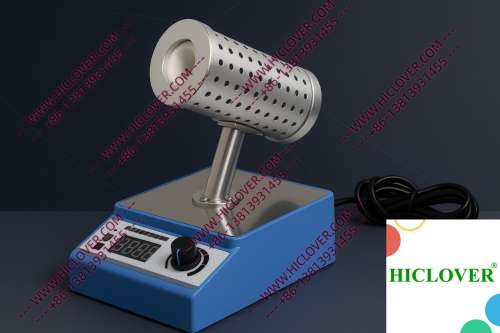
In university teaching labs, students must learn sterile techniques while conducting microbiological experiments. The Micro Incinerator is an excellent addition to these educational settings, offering a safe and efficient way to sterilize inoculating loops and other essential equipment. Its user-friendly interface and quick sterilization process allow students to focus more on their experimental designs rather than spending excessive time on sterilization protocols.
2. BSL-2 and BSL-3 Laboratories
For BSL-2 and BSL-3 microbiology labs, the importance of maintaining a sterile workspace cannot be overstated. Micro Incinerators serve as an invaluable tool for researchers working with pathogenic microorganisms. Its enclosed design and reduced risk of open flames ensure that aerosol generation is minimized, a critical consideration for pathogens that could spill or aerosolize. Laboratory professionals can trust Micro Incinerators for compliance with safety procedures while performing intricate tasks such as preparing cultures and transferring samples.
Compliance and Environmental Considerations
When it comes to laboratory sterilization, adhering to strict biosafety standards is paramount. Organizations like the World Health Organization (WHO) set forth guidelines that prioritize safety and sterilization efficacy. The use of flame-based sterilizers poses several risks, including fire hazards and potential breaches in cleanroom protocols.
- Biosafety Compliance: The Micro Incinerator aligns with WHO biosafety recommendations by introducing an aerosol-free handling approach.
- Cleanroom Suitability: Unlike flame sterilizers, Micro Incinerators do not introduce contaminants or chemicals harmful to sensitive experiments.
- Laboratory Sterilization Standards: Meeting the standards set by laboratory regulatory bodies is simplified with this state-of-the-art equipment.
Comparison: Micro Incinerator vs. Flame Burners
| Feature | Micro Incinerator | Flame Sterilizer |
|---|---|---|
| Heat Source | Infrared, enclosed | Open flame |
| Safety | Low risk of fire, aerosol-free | Risk of fire, aerosol generation |
| Speed of Sterilization | Seconds | Varies, usually longer |
| Ease of Use | Simple, user-friendly | Requires careful handling |
Frequently Asked Questions
What materials can be sterilized using a Micro Incinerator?
The Micro Incinerator is ideal for sterilizing metal inoculating loops, needles, and other small laboratory tools designed for microbial manipulation.
How does a Micro Incinerator ensure biosafety?
The device utilizes infrared heat technology which minimizes the generation of aerosols and prevents the risk of contamination, thereby enhancing laboratory safety protocols.
What are the advantages of using a Micro Incinerator over traditional flame sterilizers?
Micro Incinerators offer faster sterilization, improved safety, and reduced contamination risks compared to traditional flame-based sterilizers.
Is the Micro Incinerator suitable for field testing?
Yes, the portability and efficiency of Micro Incinerators make them an excellent choice for mobile and field testing laboratories.
How long does it take to heat up?
Micro Incinerators typically reach optimal temperatures in just seconds, making them highly efficient for laboratory workflows.
Conclusion
In conclusion, Micro Incinerators represent a significant advancement in sterilization technology, addressing the pressing needs of modern laboratories while ensuring compliance with biosafety standards. Their rapid thermal sterilization capabilities and enhanced safety features make them a preferable alternative to traditional flame sterilizers in a variety of applications, including university teaching labs and BSL-2/BSL-3 settings. For laboratories seeking innovative solutions for contamination control and efficient workflow, investing in a Micro Incinerator is a decision that fosters safety and precision in scientific endeavors. For more information or to inquire about purchasing, we invite you to contact us today!
Categories:
Tags: