
In the high-stakes environment of laboratory research and clinical diagnostics, maintaining stringent biosafety standards can be challenging. The need for effective sterilization methods is more pressing than ever due to the risk of contamination, particularly in microbiology settings that involve pathogenic organisms. Traditional flame sterilizers, such as alcohol lamps and Bunsen burners, while widely used, have several drawbacks, including risks associated with open flames and the potential for aerosol generation. This is where the Micro Incinerator, or Infrared Inoculating Loop Sterilizer, comes into play, dramatically improving sterilization workflows across various lab environments.
Technical Principles of Infrared Sterilization
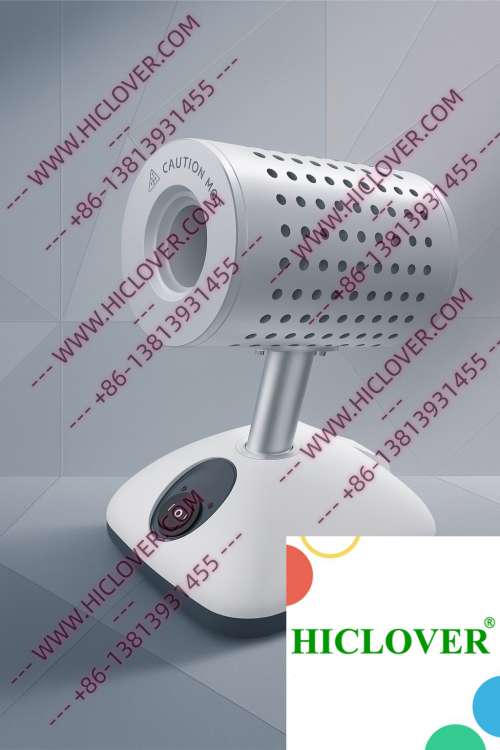
The Infrared Inoculating Loop Sterilizer employs a unique design that utilizes the principles of infrared heat to achieve rapid thermal sterilization. It consists of an enclosed ceramic tube that reaches high temperatures swiftly, ensuring that inoculating loops and needles reach temperatures sufficient to eliminate unwanted microorganisms. Unlike traditional flame methods, the Micro Incinerator provides a clean-burning environment free from combustion by-products, enhancing safety and reducing contamination risks.
Applications in Laboratory Settings
The versatility of the Micro Incinerator makes it suitable for various applications in laboratory settings:
- Biosafety Cabinets: In BSL-2 and BSL-3 labs, where pathogens are handled, maintaining a sterile working area is crucial. The Micro Incinerator is perfect for quick and effective sterilization of tools within the biosafety cabinet without disrupting sterile airflow.
- Field Testing: Mobile labs conducting field tests can greatly benefit from the portability and efficiency of the Infrared Sterilizer. It offers scientists the ability to sterilize equipment on-site, ensuring they follow strict biosafety protocols.
- University Teaching Labs: In academic environments, the ease of use and safety features are particularly valuable. Students can learn sterilization techniques without the hazards associated with flame, fostering a safer learning environment.
- What is a Micro Incinerator and how does it work?
The Micro Incinerator, also known as an Infrared Inoculating Loop Sterilizer, uses infrared heat to sterilize inoculating loops and other lab instruments quickly and efficiently without an open flame. - Where is a Micro Incinerator commonly used?
Micro Incinerators are used in a variety of settings, including BSL-2 and BSL-3 labs, university teaching labs, and field-testing environments. - What are the advantages of using a Micro Incinerator over traditional flame sterilizers?
Advantages include enhanced safety, no risk of burns, aerosol-free handling, and rapid thermal sterilization that meets modern lab demands. - Is it easy to use a Micro Incinerator for beginners?
Yes! Micro Incinerators are designed with user-friendliness in mind, making them suitable even for those new to laboratory environments. - What safety standards does the Micro Incinerator comply with?
The Micro Incinerator meets various biosafety standards, including those set by the WHO and other regulatory bodies focused on laboratory safety and sterilization.
Compliance with Biosafety Standards
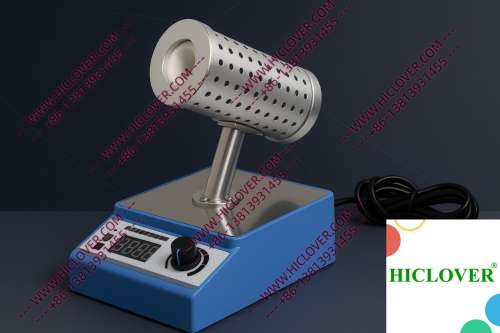
Adhering to biosafety standards is critical for laboratories handling sensitive organisms. Organizations like the WHO set forth guidelines and standards that laboratories are obliged to follow. Effective sterilization is fundamental to achieving compliance as it minimizes the risk of contamination and ensures safety in the lab environment. For instance, the Micro Incinerator is flame-free, making it suitable for use in clean rooms and other sterile environments where open flames are either prohibited or pose a significant risk.
Additionally, this type of sterilizer meets several international laboratory sterilization standards, offering peace of mind to laboratory managers and ensuring that operations adhere to established biosafety guidelines. By eliminating the need for open flames, laboratories can enhance their overall compliance with safety regulations, fostering a secure and efficient working environment.
Comparison: Micro Incinerator vs. Traditional Flame Burners
| Feature | Micro Incinerator | Flame Sterilizers |
|---|---|---|
| Heat Source | Infrared heating | Open flame |
| Safety | Flame-free; lower risk of burns | Flammable; risk of fire hazard |
| Material | Durable ceramic | Variable; use of glass and metals |
| Contamination Control | No aerosols; cleaner environment | Aerosol generation possible |
| Speed of Sterilization | Rapid | Variable |
FAQs About Micro Incinerators
Conclusion
The Micro Incinerator / Infrared Inoculating Loop Sterilizer represents a significant advancement in the realm of laboratory sterilization equipment. Its ability to provide rapid, flame-free sterilization not only meets but exceeds the challenges presented in today’s biosafety-conscious laboratory landscape. From university teaching labs to BSL-3 facilities, this innovative device enhances safety and efficiency while promoting a contamination-free working environment. To explore how the Micro Incinerator can optimize your laboratory’s sterilization workflow, please contact us today for more information or to initiate your purchase!
Categories:
Tags: