
In the evolving landscape of laboratory biosafety, the need for efficient sterilization methods is becoming increasingly critical. Laboratories, especially those operating at BSL-2 and BSL-3 levels, face unique challenges in contamination control. Traditional methods, such as alcohol lamps and Bunsen burners, have long been staples in microbiological procedures. However, they pose safety risks, produce aerosols, and can compromise the sterile environment of clean benches. Enter the Micro Incinerator, a cutting-edge solution designed to meet the demands of modern laboratory workflows.
Understanding Micro Incinerators and Their Advantages
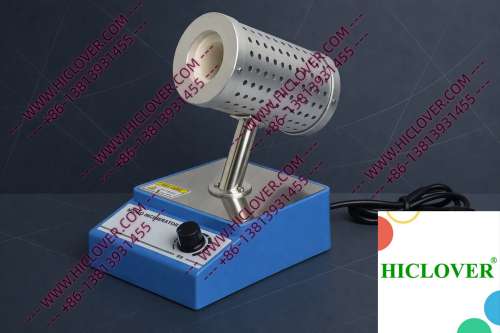
Micro Incinerators, or Infrared Inoculating Loop Sterilizers, utilize infrared heat technology to achieve rapid thermal sterilization. Unlike traditional flame sterilizers, these devices provide a flame-free solution that significantly reduces the risk of fire hazards in cleanrooms and biosafety cabinets. The core component of a Micro Incinerator is its enclosed ceramic heating chamber, which allows for high-temperature disinfection while ensuring uniform heat distribution. This method effectively eliminates common laboratory contaminants, making it ideal for various applications.
Safety Features and Design Configuration
One of the most significant benefits of a Micro Incinerator is its clean-bench-safe design, which ensures that aerosol-free handling is maintained during operations. Its compact structure is often capable of fitting seamlessly within standard laboratory environments, particularly in biosafety cabinets. Furthermore, the quick heating capability reduces the downtime typically associated with flame sterilization methods, enhancing overall workflow efficiency.
Real-World Applications of Micro Incinerators
Micro Incinerators find various applications across laboratory environments, making them essential tools in many settings. Here are a couple of prominent use cases:
- Biosafety Cabinets: In high-containment environments, such as BSL-3 microbiology labs, Micro Incinerators allow for safe sterilization of inoculating loops and other microbiological tools. The enclosed chamber ensures that any potentially hazardous residues are contained, protecting laboratory personnel.
- Teaching Labs: Educational institutions, including universities offering biological sciences courses, benefit from incorporating Micro Incinerators in their labs. Safe and effective sterilization practices can be taught without the risks associated with open flames, promoting a culture of safety among students.
Compliance and Environmental Considerations
With an increasing focus on laboratory safety regulations, adherence to biosafety standards is paramount. The World Health Organization (WHO) emphasizes the importance of employing sterilization methods that minimize risk to both personnel and the environment. Traditional flame methods can release toxic fumes and create fire hazards, which are not viable in sterile environments.
Modern Micro Incinerators align with laboratory sterilization standards by ensuring that no flame is produced, making them suitable for cleanrooms and laboratories managing sensitive samples, such as CO₂ incubators or anaerobic chamber operations. The zero-emission advantage contributes to a cleaner laboratory environment while supporting compliance initiatives.
Micro Incinerator vs. Flame Burners: A Comparative Analysis
| Feature | Micro Inciner
Categories: Tags: |
|---|