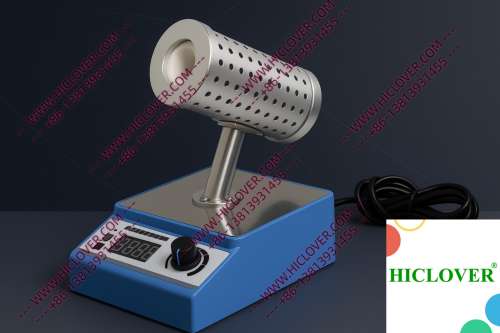
In various laboratory settings, maintaining biosafety and ensuring efficient sterilization of tools and equipment are paramount challenges. Whether in BSL-2 or BSL-3 microbiology labs, clinical diagnostics, or university teaching labs, contamination control is crucial for achieving accurate results and maintaining a safe environment. Enter the Micro Incinerator, a sophisticated alternative to traditional flame sterilizers, designed to meet the evolving demands of modern laboratory workflows.
Understanding the Technical Principles Behind Infrared Sterilization
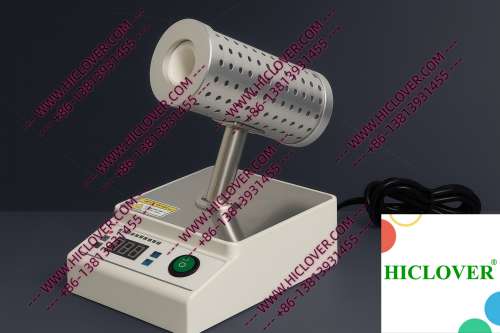
The Micro Incinerator operates on the principle of rapid thermal sterilization using infrared technology. Unlike traditional flame sterilizers such as Bunsen burners or alcohol lamps, the infrared sterilizer utilizes an enclosed ceramic tube that ensures high-temperature disinfection while minimizing aerosols and combustion-related risks. Here’s how it works:
- Infrared Heat Generation: The device generates infrared radiation, which directly heats the inoculating loop or other equipment to the required sterilization temperature.
- Ceramic Heating Chamber: The enclosed ceramic tube enhances the efficiency of heat distribution, allowing for quick and uniform sterilization.
- Immediate Response: With rapid heating capabilities, the unit can be ready for use within seconds, drastically improving workflow efficiency.
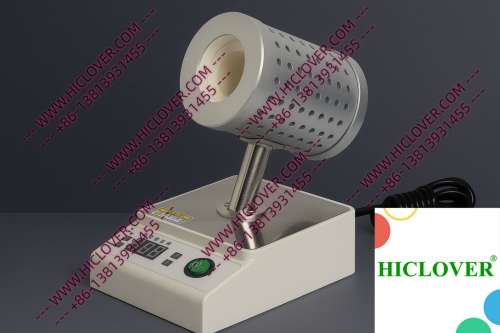
Application Scenarios for Micro Incinerators
Understanding practical applications can elucidate the immense benefits of Micro Incinerators in laboratory environments.
1. Biosafety Cabinets
Within biosafety cabinets, where maintaining a sterile environment is non-negotiable, the Micro Incinerator serves as an optimal sterilization tool. Its non-flame design ensures no open fire jeopardizes the sterile air within the cabinet. Technicians can swiftly sterilize inoculating loops after plating samples, optimizing workflow while safeguarding against contamination.
2. University Teaching Labs
In university laboratories where students are learning the fundamentals of microbiology, the Micro Incinerator provides a safe and effective means of sterilization. Students can confidently use the infrared sterilizer without the risk of flame injuries or fire hazards, ensuring a focus on learning rather than safety concerns associated with traditional flame sterilizers.
Compliance and Environmental Considerations
As laboratories around the world work to align with the World Health Organization’s biosafety standards and recommendations, the importance of effective sterilization methods cannot be overstated. The Micro Incinerator addresses several key compliance issues:
- Biosafety Regulations: The sterilizer meets rigorous laboratory sterilization standards, minimizing the risk of cross-contamination.
- No Flame in Clean Rooms: With its flame-free operation, the Micro Incinerator is particularly suitable for clean rooms, reducing particulate contamination risks.
- Enhanced Worker Safety: By eliminating open flames, the equipment enhances the safety of laboratory personnel, which is critical in both clinical diagnostics and research settings.
Comparative Analysis of Micro Incinerators and Traditional Flame Sterilizers
| Feature | Micro Incinerator | Flame Sterilizers (e.g., Bunsen Burners) |
|---|---|---|
| Heating Method | Infrared Radiation | Open Flame |
| Response Time | Seconds | Time-intensive to ignite |
| Contamination Risk | Low | High (due to aerosols) |
| Safety | High (no flames) | Potential fire hazard |
FAQs about Micro Incinerators
- What are the key advantages of using a Micro Incinerator in my lab? The Micro Incinerator offers rapid thermal sterilization, improved safety through flame-free operation, and decreased contamination risks compared to traditional flame sterilizers.
- Can a Micro Incinerator be used in field testing labs? Yes, its portable design and quick heating capabilities make it suitable for mobile and field testing applications.
- Is a Micro Incinerator compliant with WHO sterilization standards? Absolutely. It adheres to the biosafety standards set forth by WHO, particularly in terms of minimizing contamination risks.
- How long does it take for a Micro Incinerator to reach sterilization temperature? The unit typically reaches optimal sterilization temperature within seconds, significantly improving workflow efficiency.
- What types of laboratories benefit most from using a Micro Incinerator? Micro Incinerators are especially beneficial in BSL-2 and BSL-3 laboratories, clinical diagnostics, and educational settings where contamination control is crucial.
Conclusion: Elevate Your Laboratory Sterilization Practices
As laboratory demands evolve, so must our sterilization practices. The Micro Incinerator/Infrared Inoculating Loop Sterilizer not only meets but exceeds the challenges presented by traditional flame sterilizers. With its rapid sterilization capabilities, enhanced safety features, and compliance with international standards, it’s a vital asset for any advanced laboratory setting. Don’t compromise on your sterilization needs; contact us today to learn more about integrating a Micro Incinerator into your laboratory workflow.
Categories:
Tags: