
In the realm of laboratory biosafety, the need for reliable and effective sterilization equipment is paramount. Laboratory workers frequently confront challenges including contamination control and compliance with stringent sterilization workflows. Micro Incinerators or Infrared Inoculating Loop Sterilizers have emerged as a game-changer, fulfilling the demand for rapid thermal sterilization without the risks associated with traditional flame-based methods.
Understanding the Micro Incinerator Technology
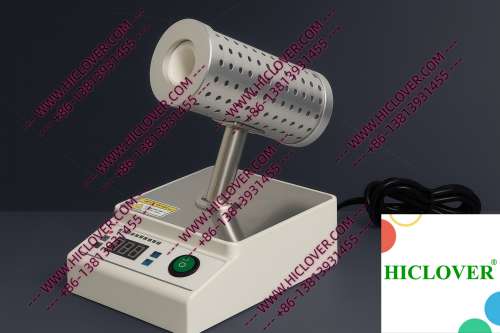
The Micro Incinerator operates on the principle of infrared heat generation, utilizing a ceramic heating chamber to achieve high temperatures immediately upon activation. This embedded technology allows for precise temperature control, transforming the way laboratory professionals sterilize inoculating loops, needles, and other instruments. By producing infrared high-temperature disinfection, these units eliminate the need for open flames, thus minimizing fire hazards in sensitive environments.
Applications in Real Laboratories
Field Testing Laboratories
In field testing scenarios, such as environmental sampling or emergency diagnostics, the portability and reliability of Micro Incinerators are invaluable. Their compact design allows for easy transport and can function effectively outside traditional lab environments. For example, microbiologists conducting field tests in a BSL-2 environment can utilize these sterilizers to quickly sterilize equipment, ensuring results are not compromised due to contamination.
University Teaching Labs
Educational institutions require dependable sterilization equipment to ensure student safety and compliance with biosafety regulations. In university teaching labs, Micro Incinerators are not just an alternative; they enhance the learning experience by eliminating risks associated with flames. During practical microbiology classes, students can efficiently sterilize inoculating loops without the dangers posed by alcohol lamps or Bunsen burners, fostering a safer environment for all.
Compliance and Environmental Considerations
Adhering to compliance standards such as the WHO biosafety guidelines is critical in laboratory settings. Many sterilization standards advocate for approaches that minimize contamination risks in BSL-2 and BSL-3 laboratories. The Micro Incinerator design supports these standards by eliminating flame use in clean rooms, ensuring that aerosol-free handling is feasible. This technology aligns perfectly with evolving lab safety protocols, making them an attractive choice for modern laboratories.
Advantages Over Traditional Flame Sterilizers
Compared to traditional methods like alcohol lamps and Bunsen burners, Micro Incinerators provide numerous advantages:
- Enhanced Safety: No open flames reduce the risk of fires and burns.
- Quick Operation: Immediate sterilization capabilities save valuable time during critical processes.
- Consistent Results: Infrared technology ensures uniform heating, providing reliable sterilization every time.
- Reduced Contamination: With a contained process, there is less risk of recontamination compared to flame methods.
Comparison: Micro Incinerator vs. Traditional Flame Sterilizers
| Feature | Micro Incinerator | Flame Sterilizer |
|---|---|---|
| Heat Source | Infrared | Open Flame |
| Temperature Control | Precise & Rapid | Variable & Risky |
| Safety | High | Low |
| Portability | High | Moderate |
| Aerosol-Free | Yes | No |
Frequently Asked Questions
What types of laboratories benefit the most from using Micro Incinerators?
Micro Incinerators are ideal for BSL-2 and BSL-3 laboratories, university teaching labs, and mobile testing environments where rapid sterilization is necessary.
Are Micro Incinerators difficult to operate?
No, these devices are user-friendly and designed for quick startup, making them suitable even for those new to laboratory procedures.
Do Micro Incinerators meet biosafety standards?
Yes, they are compliant with WHO biosafety guidelines, offering a safe option for sterilization in sensitive environments.
Can Micro Incinerators replace traditional sterilizers completely?
While they are highly effective for certain applications, it is essential to evaluate your specific needs. They often complement existing sterilization methods rather than replace them.
What maintenance do Micro Incinerators require?
Regular cleaning of the ceramic heating chamber and periodic checks ensure optimal performance. Always follow the manufacturer’s guidelines for maintenance.
Conclusion
Incorporating a Micro Incinerator or Infrared Inoculating Loop Sterilizer into your laboratory workflow can significantly improve safety, efficiency, and compliance with biosafety standards. As a leading solution for modern laboratories—from research institutions to educational facilities—these devices offer a sophisticated alternative to traditional flame sterilizers. If you are looking to enhance laboratory safety and sterilization workflows, contact us today for more information on our high-quality Micro Incinerators.
Categories:
Tags: