
In today’s fast-paced scientific environment, laboratory biosafety challenges and sterilization workflow demands necessitate efficient and effective solutions. One such solution gaining traction in various laboratory settings is the Micro Incinerator, also known as the Infrared Inoculating Loop Sterilizer. This innovative device promises rapid thermal sterilization while ensuring maximum safety and compliance with stringent biosafety regulations.
Understanding the Technology Behind Micro Incinerators
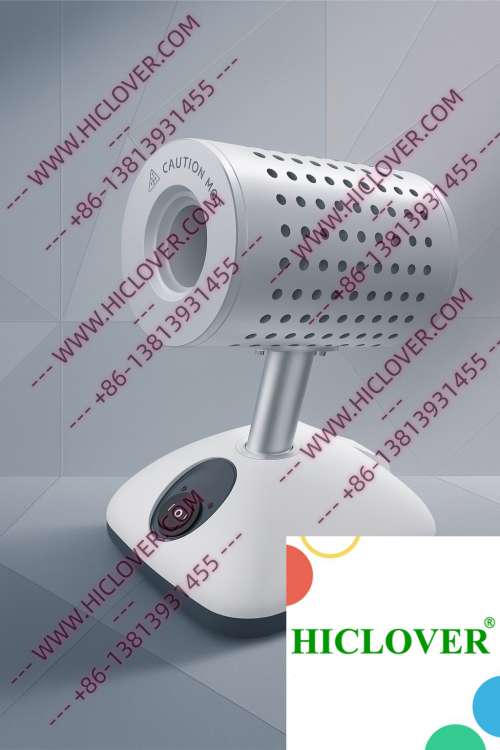
The Micro Incinerator employs infrared heat technology to achieve high-temperature disinfection. This method utilizes a ceramic heating chamber that generates intense thermal energy, ensuring no contaminants survive. Unlike traditional flame sterilizers such as alcohol lamps or Bunsen burners, the Micro Incinerator provides an aerosol-free handling environment, which greatly minimizes the risk of airborne contamination.
Key Features of Micro Incinerators
- Rapid Thermal Sterilization: Achieves sterilization within seconds.
- Enclosed Design: Protects users from direct heat exposure.
- Low Power Consumption: Energy-efficient for extended use.
- Easy Operation: Simple controls suitable for various skill levels.
- Durability: Long-lasting with minimal maintenance required.
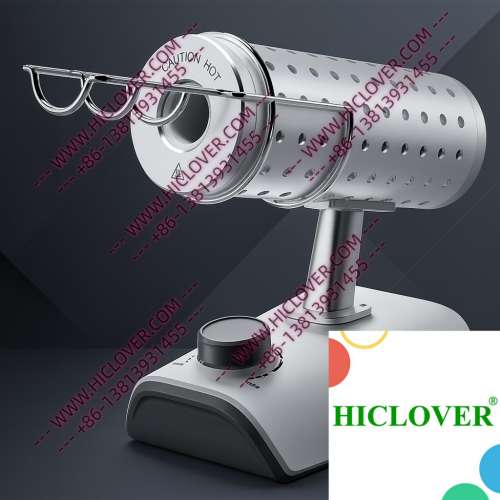
Application Scenarios in Real Laboratories
Micro Incinerators are versatile tools used in numerous laboratory settings. Here are two prominent application scenarios:
1. Biosafety Cabinets
In BSL-2 and BSL-3 microbiology labs, a crucial component of contamination control is the method of sterilization utilized. The Micro Incinerator’s rapid heating capabilities allow researchers to sterilize inoculating loops and other tools within a biosafety cabinet without risk of flame-induced hazards. This environment not only protects personnel but also prevents cross-contamination, maintaining the integrity of sensitive experiments.
2. University Teaching Labs
In educational settings, where students are introduced to microbiological techniques, the Micro Incinerator provides a safe and effective method for sterilization. Its ease of use and quick sterilization time allows educators to focus on teaching, rather than troubleshooting equipment failures. Furthermore, its compact design does not overwhelm the limited space in teaching labs, making it an efficient choice for universities in metropolitan areas like New York City or Sydney.
Compliance and Environmental Considerations
Compliance with international biosafety standards is paramount in laboratory operations. The World Health Organization (WHO) requires that laboratories adhere to strict sterilization protocols to prevent biohazard risks. The Micro Incinerator is designed to meet various lab sterilization standards, offering advantages over traditional flame-based systems, particularly in clean rooms where open flames pose significant safety risks.
Additionally, in environments such as anaerobic chambers or CO₂ incubators, the use of flame sterilizers can compromise the sterile atmosphere. The Micro Incinerator’s no-flame design is crucial in these scenarios, ensuring that air quality is preserved without sacrificing the effectiveness of sterilization.
Comparative Analysis: Micro Incinerator vs. Traditional Flame Sterilizers
| Feature | Micro Incinerator | Flame Sterilizers |
|---|---|---|
| Sterilization Time | Seconds | Variable (seconds to minutes) |
| Risk of Contamination | Aerosol-free | High due to flame and soot |
| Ease of Use | Simple, user-friendly | Requires skill for safe operation |
| Operational Environment | Safe in cleanrooms and BSL labs | Not suitable for clean environments |
| Power Source | Electric | Gas/Alcohol |
Frequently Asked Questions
1. How does the Micro Incinerator work?
The Micro Incinerator utilizes infrared radiation to heat a ceramic tube, achieving high temperatures that sterilize instruments quickly and effectively.
2. Is the Micro Incinerator safe for use in BSL-3 labs?
Yes, its enclosed design and aerosol-free operation make it safe and suitable for BSL-3 laboratories.
3. Can the Micro Incinerator be used in field testing?
Absolutely! The compact and portable design of the Micro Incinerator makes it ideal for use in remote field testing scenarios.
4. What are the maintenance requirements for the Micro Incinerator?
Maintenance is minimal, generally requiring regular cleaning of the ceramic tube and inspection of the heating elements for wear and tear.
5. How does the Micro Incinerator compare in cost to traditional sterilizers?
While the initial investment in a Micro Incinerator may be higher than a traditional sterilizer, the efficiency, safety, and reduced operational costs make it a cost-effective choice in the long run.
Conclusion
In conclusion, the Micro Incinerator / Infrared Inoculating Loop Sterilizer presents a modern solution to the demands of laboratory sterilization. Its rapid thermal sterilization, ease of use, and compliance with biosafety standards position it as a superior choice compared to traditional flame sterilizers. For laboratories looking to enhance their sterilization workflow with a safe, efficient, and reliable product, the Micro Incinerator stands out as an essential tool.
Contact us today to learn more about integrating the Micro Incinerator into your laboratory setup or to make a purchase that will revolutionize your sterilization processes.
Categories:
Tags: