
In today’s fast-paced laboratory environment, where biosafety challenges abound, maintaining a sterile workspace is paramount. The rise in microbial resistance, coupled with the rigorous demands of laboratory sterilization workflows, has necessitated the adoption of advanced equipment. Micro incinerators, specifically the Infrared Inoculating Loop Sterilizer, have emerged as critical tools in the battle against contamination. This article explores the technical principles, applications, compliance standards, and the advantages of micro incinerators over traditional sterilization methods.
Understanding the Micro Incinerator’s Technical Principle
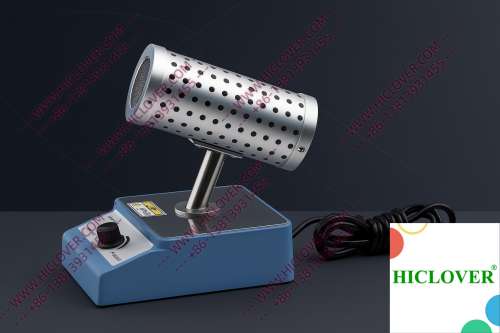
The Infrared Inoculating Loop Sterilizer operates on the principle of rapid thermal sterilization. Utilizing infrared heat, it effectively sterilizes inoculating loops and other small instruments within seconds. The enclosed ceramic heating chamber generates high temperatures that reach sterile conditions quickly, providing a reliable alternative to flame-based sterilizers.
Key features of the Micro Incinerator include:
- Infrared high-temperature disinfection
- Contamination control through aerosol-free handling
- Compact design for ease of use in various environments
Applications of Micro Incinerators in Laboratories
The versatility of the Micro Incinerator makes it ideal for various applications across different laboratory settings. Here, we explore two significant scenarios:
Biosafety Cabinets
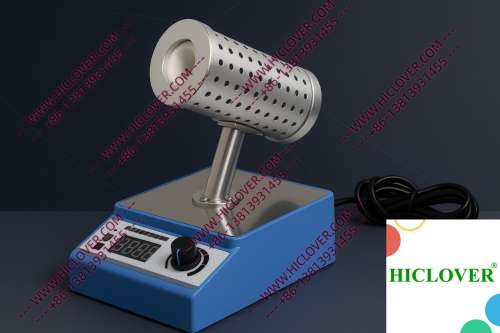
In BSL-2 and BSL-3 microbiology laboratories, where pathogenic microorganisms may be manipulated, maintaining a sterile environment is crucial. Micro incinerators can be used within biosafety cabinets to ensure that inoculating loops are sterilized quickly and efficiently without the risk of flame-related hazards. The rapid sterilization capability reduces workflow interruptions and enhances overall safety.
Teaching Laboratories at Universities
University teaching labs require reliable sterilization methods to support hands-on training in microbiology. The Infrared Inoculating Loop Sterilizer offers students a way to practice sterile technique without the risks associated with traditional flame sterilizers. Its user-friendly functionality ensures that students can focus on their learning while maintaining a safe environment.
Compliance and Environmental Considerations
Laboratory sterilization practices are governed by strict compliance and environmental standards. Organizations such as the World Health Organization (WHO) emphasize the necessity of adhering to biosafety protocols to mitigate health risks. Micro incinerators align with these standards by eliminating the need for flames, thereby making them suitable for use in clean rooms and environments where flammable substances are present.
Moreover, the reduced emissions associated with infrared sterilizers contribute positively to laboratory sustainability goals, making them an environmentally friendly option in contrast to traditional burners.
Laboratory Compliance Reference:
- WHO biosafety guidelines
- ISO 17665 for sterilization of health care products
- FDA regulations for laboratory apparatus maintenance
Advantages Over Traditional Flame Sterilizers
Micro incinerators boast several advantages compared to conventional flame sterilizers, such as alcohol lamps and Bunsen burners:
| Feature | Micro Incinerator | Flame Sterilizer |
|---|---|---|
| Safety | Flame-free operation, reducing fire hazards | Open flame can pose safety risks |
| Efficiency | Rapid sterilization in seconds | Longer waiting times for heating |
| Portability | Compact and easy to transport | Bulkier and more cumbersome |
Frequently Asked Questions
What is the operating temperature of a Micro Incinerator?
The operating temperature can reach up to 800°C, ensuring effective sterilization of instruments within seconds.
Can the Infrared Inoculating Loop Sterilizer be used in clean rooms?
Yes, due to its flame-free design, it is ideal for use in clean rooms where contaminants must be controlled.
Is training required to operate a Micro Incinerator?
While its design is user-friendly, basic training on operation and safety measures is recommended for new users.
What type of materials can be sterilized?
The Micro Incinerator is effective for sterilizing glass and metal inoculating loops, needles, and other small laboratory instruments.
Conclusion
As laboratory environments continue to evolve, the demand for effective and safe sterilization methods becomes even more critical. The Micro Incinerator / Infrared Inoculating Loop Sterilizer exemplifies modern sterilization technology, offering rapid, reliable, and safe sterilization for various applications in laboratories. With its adherence to biosafety and environmental standards, it stands as a preferred choice for laboratories aiming for high compliance and efficiency standards.
To enhance your laboratory operations with cutting-edge sterilization techniques, consider investing in a Micro Incinerator today. Contact us for more information or to schedule a consultation.
Categories:
Tags: