
In today’s laboratory environment, particularly in the contexts of BSL-2 and BSL-3 microbiology labs, maintaining biosafety standards is paramount. Researchers face constant challenges in achieving rapid thermal sterilization and effective contamination control. Traditional methods, such as alcohol lamps and Bunsen burners, can introduce risks and inefficiencies in sterilization workflows. Enter the Micro Incinerator, or Infrared Inoculating Loop Sterilizer— a game-changing solution for labs striving for higher safety and efficiency.
Unpacking the Micro Incinerator’s Technical Principles
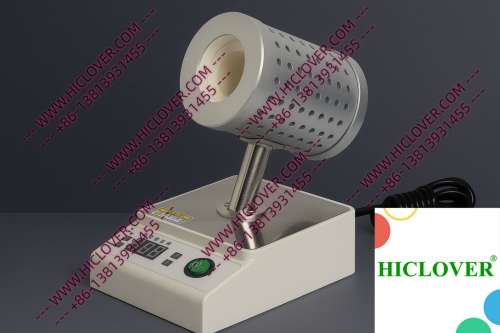
The Micro Incinerator operates on the principle of infrared heat, functioning within an enclosed ceramic tube that guarantees rapid and thorough sterilization while minimizing the risks associated with open flames. The device harnesses high temperatures to achieve infrared high-temperature disinfection, making it an ally in ensuring both safety and compliance with stringent lab protocols.
- Rapid Thermal Sterilization: The unit can reach optimal sterilization temperatures almost instantly.
- Contamination Control: Its enclosed design significantly reduces the risk of aerosol generation compared to traditional flame sterilizers.
- Energy Efficient: Utilizes less power than conventional methods without compromising on performance.
- Portability: Ideal for field testing and mobile applications.
Practical Applications in Modern Laboratories
1. Application in Biosafety Cabinets
In a BSL-2 laboratory, the Micro Incinerator can be seamlessly integrated within biosafety cabinets. Its aerosol-free handling is highly advantageous in environments where biosafety is critical. This allows microbiologists to perform routine inoculation and sterilization within a controlled environment, thus preventing cross-contamination and preserving sample integrity.
2. Teaching Labs and Classroom Settings
University laboratories benefit from the use of Micro Incinerators during practical training sessions. Instructors can demonstrate sterilization techniques without the hazards associated with open flames, providing students with a safe and effective learning experience. The ability to use it in conjunction with CO₂ incubators or anaerobic chambers enhances its versatility in an educational context.
Compliance and Environmental Considerations
Adhering to biosafety standards set forth by the World Health Organization (WHO) and other regulatory agencies is imperative for all laboratory environments. The Micro Incinerator aligns with the requirements for lab sterilization, particularly in clean rooms where open flames are strictly prohibited. The device’s design fosters a safe working atmosphere while ensuring compliance with national and regional sterilization standards.
“With the Micro Incinerator, not only do we comply with all necessary regulations, but we also improve our workflow efficiencies and safety levels in the lab.” – Lab Manager, San Francisco, CA
Key Advantages Over Traditional Flame Sterilizers
| Feature | Micro Incinerator | Flame Burners |
|---|---|---|
| Heat Source | Infrared | Open flame |
| Risk of Contamination | Low | High (aerosol generation) |
| Energy Efficiency | High | Low |
| Portability | High | Variable |
| Ease of Use | Simple set-up | Requires careful handling |
Frequently Asked Questions
What types of laboratories can benefit from using a Micro Incinerator?
Micro Incinerators are suitable for a variety of laboratory environments, including BSL-2 and BSL-3 microbiology labs, clinical diagnostics, and university teaching labs.
How does the Micro Incinerator enhance lab safety?
The device eliminates the risks associated with open flames, reducing the potential for aerosol generation and enhancing overall lab safety.
What are the maintenance requirements for a Micro Incinerator?
Minimal maintenance is required, primarily involving cleaning the ceramic tube after use to maintain optimal performance.
Can the Micro Incinerator be used in field testing?
Yes, its portable design makes it an ideal choice for mobile applications and field testing scenarios.
How does it ensure compliance with biosafety standards?
The Micro Incinerator complies with WHO regulations and other biosafety guidelines by providing a safe, effective, and reliable sterilization method.
Conclusion: Elevate Your Laboratory Standards Today
In summary, transitioning to a Micro Incinerator can profoundly impact your laboratory’s efficiency, safety, and compliance with biosafety standards. By reducing risks associated with traditional flame sterilization methods, labs can enhance workflows and ensure cleaner environments. We invite distributors, hospitals, universities, and research centers to contact us to explore options for integrating Micrо Incinerators into your sterilization processes. Together, let’s elevate your laboratory standards to meet the demands of modern research and diagnostics!
Categories:
Tags: