
In the realm of laboratory operations, maintaining rigorous biosafety standards is paramount. Laboratories face numerous challenges in ensuring effective sterilization protocols that safeguard both personnel and experimental integrity. Among different sterilization devices, the Micro Incinerator or Infrared Inoculating Loop Sterilizer has emerged as a game-changer, especially within settings where contamination control is non-negotiable.
The Technical Principles Behind the Micro Incinerator
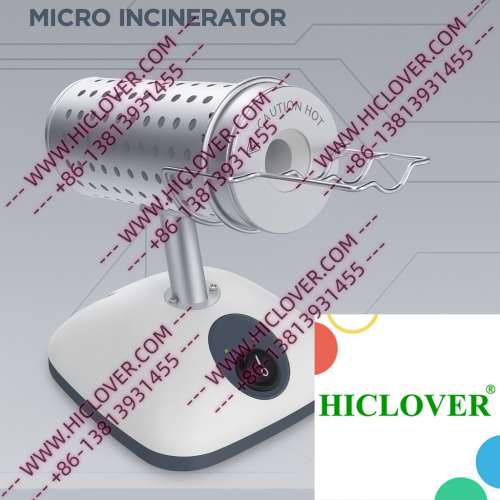
At its core, the Micro Incinerator employs rapid thermal sterilization utilizing infrared heat. Unlike traditional flame sterilizers such as alcohol lamps or Bunsen burners, the Micro Incinerator features an enclosed ceramic tube that efficiently generates high temperatures to eliminate microorganisms. Infrared technology allows for constant and even heating, reducing the risk of burning or damaging sensitive instruments and materials.
- Temperature Control: Reaches up to 850°C in seconds.
- Aerosol-Free Handling: Minimizes the risk of airborne contamination.
- Energy Efficient: Consumes less power than conventional flame units.
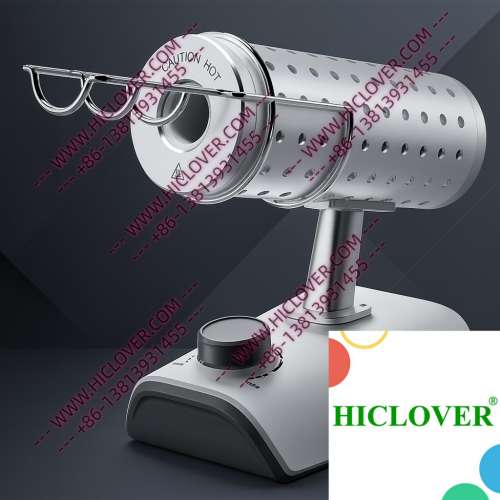
Applications in Laboratory Settings
The versatility of the Micro Incinerator makes it an ideal choice across various laboratory environments. Here are two prominent application scenarios:
Biosafety Cabinets
Many BSL-2 and BSL-3 facilities utilize the Micro Incinerator due to its clean-bench-safe design. When used within a biosafety cabinet, it assists in effective sterilization of inoculating loops and needles, pivotal in microbiological work. With no open flame, labs reduce the risk of ignition of flammable materials, thus maintaining a safer operational environment.
Field Testing and Mobile Labs
Field testing labs, often required to travel for environmental sampling, benefit from the compact and lightweight design of the Micro Incinerator. The portability and ease of use ensure that researchers can perform microbial testing in remote locations without relying on traditional flame sterilization methods that may not be practical in the field.
Compliance with Biosafety Standards
Adhering to biosafety guidelines set forth by organizations such as the WHO and local regulatory bodies is crucial in laboratory operations. The Micro Incinerator stands out due to its ability to comply with various sterilization standards applicable in laboratories globally:
- WHO Biosafety Standards: Supports infection control protocols.
- No Flame Requirement: Essential for clean rooms and sensitive environments.
- Environmental Safety: Minimized risk of contamination through aerosol generation.
This compliance enables scientists and lab technicians to focus on their research and education without compromising safety or efficiency, making it a preferred option in various sectors including clinical diagnostics and academic institutions, especially in major cities like New York or London.
Comparative Analysis: Micro Incinerator vs. Flame Burners
| Feature | Micro Incinerator | Flame Burners |
|---|---|---|
| Temperature Range | Up to 850°C | Varies (up to 2000°C) |
| Aerosol Generation | None | High risk |
| Energy Consumption | Low | Variable, often higher |
| Portability | Highly portable | Less portable |
| Safeguards Against Contamination | Yes | No |
Frequently Asked Questions
What are the main benefits of using a Micro Incinerator instead of a flame sterilizer?
The Micro Incinerator offers enhanced safety by eliminating open flames, minimizing aerosol risk, and ensuring rapid, efficient sterilization. It is particularly advantageous in cleanroom environments.
Can the Micro Incinerator be used in field testing labs?
Yes, the Micro Incinerator is portable and easy to operate, making it well-suited for field testing, where traditional flame options may not be practical.
How does the Micro Incinerator comply with WHO biosafety standards?
The design ensures minimal risk of cross-contamination while effectively sterilizing instruments, aligning with WHO guidelines on laboratory safety and sterilization protocols.
Is the Micro Incinerator energy efficient?
Absolutely! It is designed to consume significantly less energy compared to traditional flame burners while delivering rapid heating.
What materials can be sterilized using the Micro Incinerator?
Primarily, inoculation loops, needles, and other small laboratory tools can be effectively sterilized using this device.
Conclusion
In today’s laboratory landscape, adopting advanced sterilization technologies like the Micro Incinerator is no longer optional but essential for maintaining biosafety. By integrating this innovative device into your laboratory workflow, you can not only enhance safety protocols but also improve efficiency and compliance with international standards.
If you’re ready to elevate your laboratory’s sterilization methodology, contact us today to learn more about how the Micro Incinerator can fit your needs. Your laboratory’s safety and productivity rely on the best technology available.
Categories:
Tags: