
In the realm of laboratory biosafety, the challenges of maintaining contamination control and adherence to sterilization workflows are paramount. With the increasing frequency of laboratory-based research and clinical diagnostics, particularly in BSL-2 and BSL-3 microbiology labs, the necessity for effective sterilization equipment has never been more critical. Among the leading technologies available, the Micro Incinerator, often referred to as the Infrared Inoculating Loop Sterilizer, stands out as a modern solution that minimizes risk and maximizes efficiency.
Technical Principles of Micro Incinerators
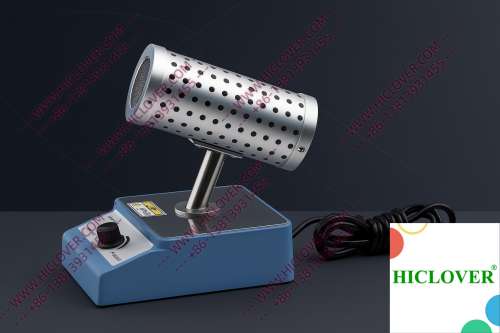
The technical foundation of the Micro Incinerator is embedded in its innovative use of infrared heat. Utilizing a highly effective ceramic heating chamber, this device achieves rapid thermal sterilization without the hazards associated with traditional flame sterilizers like Bunsen burners and alcohol lamps. The enclosed design of the ceramic tube allows for high-temperature disinfection, thereby eliminating the risk of flame-related accidents in sensitive environments.
Moreover, the infrared technology ensures aerosol-free handling, making it safe for use in clean bench applications. This means that researchers can confidently conduct experiments and perform inoculations without the fear of introducing contaminants, thus safeguarding the integrity of their work.
Applications of Micro Incinerators
- Biosafety Cabinets: In high-risk environments where potential exposure to pathogens is a concern, Micro Incinerators provide a quick and efficient means of sterilizing inoculating loops and other tools without risking open flames, fostering a safer workflow.
- Field Testing: Field labs require portable yet effective solutions. The Micro Incinerator’s lightweight design and rapid response time make it an ideal choice for mobile testing environments, ensuring reliable sterilization even in the most remote locations.
- University Teaching Labs: As academic institutions strive to equip students with modern techniques, the Micro Incinerator serves as an excellent teaching aid. It provides students with hands-on experience while emphasizing the importance of safety and compliance in laboratory practices.
- What is the primary function of a Micro Incinerator?
The primary function of a Micro Incinerator is to provide rapid thermal sterilization of inoculating loops and other laboratory tools to prevent contamination and ensure biosafety. - How does infrared sterilization compare to traditional methods?
Infrared sterilization offers faster heating, lower risk of contamination, and is safer in cleanroom environments compared to traditional flame-based methods. - Can Micro Incinerators be used in BSL-3 labs?
Yes, Micro Incinerators are designed to meet the stringent safety and sterilization standards required in BSL-3 lab environments. - Is any maintenance required for a Micro Incinerator?
Maintenance is minimal. Regular checks for wear on the ceramic tube and ensuring electrical connections are secure are recommended. - How long does it take for the Micro Incinerator to reach its operating temperature?
The device reaches optimal sterilization temperatures almost instantly, significantly reducing downtime for users.
Compliance and Environmental Considerations
Adhering to strict biosafety standards and regulations is crucial in laboratory settings. The World Health Organization (WHO) outlines guidelines related to laboratory practices, emphasizing the safe handling of microbial agents. A significant advantage of Micro Incinerators is their compliance with various lab sterilization standards. Unlike traditional flame sterilizers, which can pose a risk of ignition and contamination, Micro Incinerators operate using infrared heat, making them clean-bench-safe.
“Implementing an Infrared Inoculating Loop Sterilizer not only enhances safety but also aligns with environmental sustainability goals by reducing the use of alcohol and other hazardous substances.”
Comparison of Micro Incinerators vs. Traditional Flame Sterilizers
| Feature | Micro Incinerator | Traditional Flame Sterilizer |
|---|---|---|
| Safety | Lower risk of fire and explosion | Flammable; higher incident rates |
| Cleaning Requirements | Minimal | Regular alcohol refills; requires cleaning of spills |
| Heating Time | Instant | Variable; dependent on flame adjustment |
| Portability | Lightweight and compact | Generally bulkier and stationary |
FAQs About Micro Incinerators
Conclusion: Invest in Advanced Laboratory Safety
As laboratories worldwide are prioritizing safety and compliance, transitioning from traditional flame-based sterilizers to innovative Micro Incinerators is a decisive step toward ensuring a contamination-free environment. By adopting this advanced equipment, laboratories can enhance their workflow efficiency while adhering to essential biosafety standards. Whether for teaching, field testing, or routine laboratory work, the Micro Incinerator is designed to meet the evolving demands of modern science and health.
For distributors and laboratories looking to upgrade their sterilization processes, our range of Micro Incinerators is available for purchase. Contact us today to learn more about how our products can seamlessly integrate into your laboratory’s workflow and enhance your sterilization practices.
Categories:
Tags: