
In modern laboratories, meeting the stringent biosafety standards while ensuring effective sterilization practices poses significant challenges. The rise of advanced sterilization technologies, such as the Micro Incinerator / Infrared Inoculating Loop Sterilizer, addresses these issues. This equipment not only enhances contamination control but also streamlines workflows in high-stakes environments like BSL-2 and BSL-3 microbiology labs.
Understanding the Micro Incinerator: Technical Principles
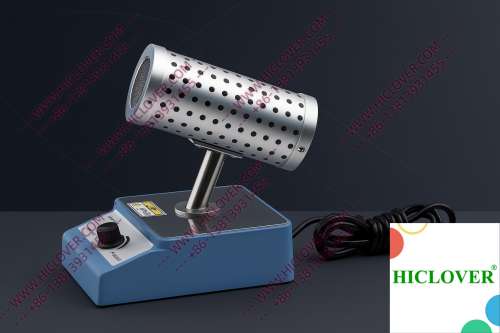
The Micro Incinerator operates on the principle of rapid thermal sterilization using infrared heat. The device features a ceramic heating chamber that generates high temperatures—up to 800°C—effectively incinerating contaminants from inoculating loops and instruments. This mechanism eliminates the risk of aerosol generation seen with traditional flame sterilizers.
Unlike Bunsen burners and alcohol lamps that use an open flame, the enclosed design of the Micro Incinerator prioritizes safety and compliance, especially in clean bench setups. The infrared technology not only maintains a consistent temperature but also offers quicker turnaround times for sterilization, improving laboratory efficiency.
Applications of Micro Incinerators in Real Lab Environments
1. Laboratory Biosafety Cabinets
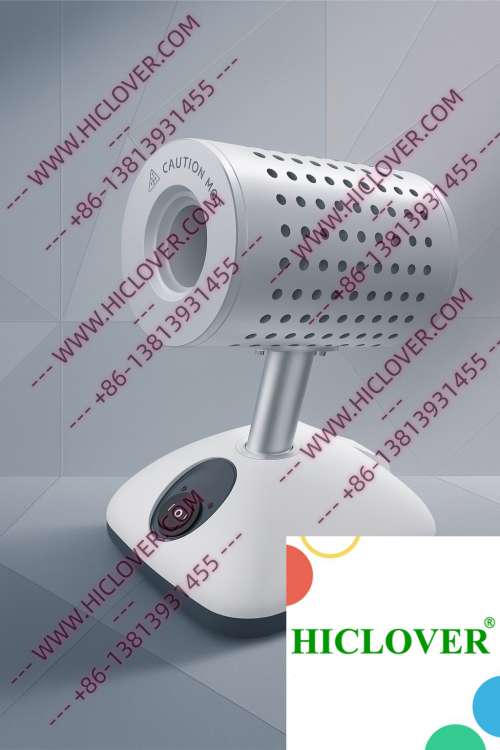
In biosafety cabinets, maintaining a sterile environment is critical for experiments involving pathogens. The compact design of the Micro Incinerator makes it an ideal choice for use within these cabinets. By providing a clean, aerosol-free method for sterilization, it reduces the likelihood of contamination during microbial handling and research activities.
2. University Teaching Labs
In educational settings, such as university teaching labs, the Micro Incinerator enhances the learning experience by providing students with a safe means to perform sterilization. By eliminating the risks associated with traditional flame methods, educators can focus on teaching sterile techniques without compromising safety. This promotes better compliance with laboratory protocols while instilling best practices among future scientists.
Compliance and Environmental Considerations
Compliance with national and international biosafety regulations is paramount in laboratory settings. Organizations such as the World Health Organization (WHO) provide guidelines that emphasize the importance of effective sterilization methods to minimize pathogen transmission.
- WHO biosafety level guidelines
- Laboratory sterilization standards from ISO 13485
- No flame protocols in cleanrooms to avoid contamination
By utilizing infrared sterilizers, laboratories can adhere to these guidelines, providing a sustainable and safe working environment. Additionally, the energy efficiency of the Micro Incinerator contributes to environmental conservation efforts, a growing concern in laboratory operations worldwide.
Comparison: Micro Incinerator vs. Traditional Flame Sterilizers
| Feature | Micro Incinerator | Traditional Flame Sterilizer |
|---|---|---|
| Sterilization Method | Infrared High-Temperature | Open Flame |
| Safety | Enclosed Design | Risk of Burns |
| Efficiency | Rapid Sterilization | Time Consuming |
| Compliance | Meets WHO Standards | Potential Non-Compliance |
Frequently Asked Questions (FAQs)
What is a Micro Incinerator used for in a laboratory?
A Micro Incinerator is used for the rapid sterilization of inoculating loops and other lab tools, ensuring effective contamination control and compliance with biosafety standards.
How does the Micro Incinerator compare to traditional flame sterilizers?
The Micro Incinerator is safer due to its enclosed design, offers faster sterilization, and is compliant with biosafety regulations, unlike traditional flame sterilizers.
Can the Micro Incinerator be used in field testing labs?
Yes, its portable design makes it suitable for use in field testing labs where rapid and safe sterilization is crucial while handling microbiological samples.
Is the Micro Incinerator suitable for teaching laboratories?
Absolutely, it provides a safe environment for students to learn sterilization techniques without the risks associated with flames.
What are the maintenance requirements for a Micro Incinerator?
Minimal maintenance is needed, primarily focused on cleaning the ceramic tube and ensuring the heating element remains intact for optimal performance.
Conclusion: Enhance Your Laboratory’s Safety with a Micro Incinerator
Implementing a Micro Incinerator / Infrared Inoculating Loop Sterilizer in your laboratory can significantly improve safety protocols, enhance workflow efficiency, and ensure compliance with global standards. As laboratories worldwide face rising biosafety challenges, innovative solutions like the Micro Incinerator emerge as an essential tool for contemporary research and teaching labs. For further inquiries or to make a purchase, feel free to contact us to explore how the Micro Incinerator can meet your laboratory’s needs.
Categories:
Tags: