
Laboratories face myriad challenges in ensuring biosafety and maintaining contamination control. As researchers and technicians navigate through high-stakes environments, they encounter significant demands related to sterilization workflows, particularly concerning the effectiveness and safety of their sterilization equipment. Advances in technology have given rise to highly precise instruments, such as the Micro Incinerator / Infrared Inoculating Loop Sterilizer, designed to meet these challenges head-on.
Addressing Laboratory Sterilization Needs
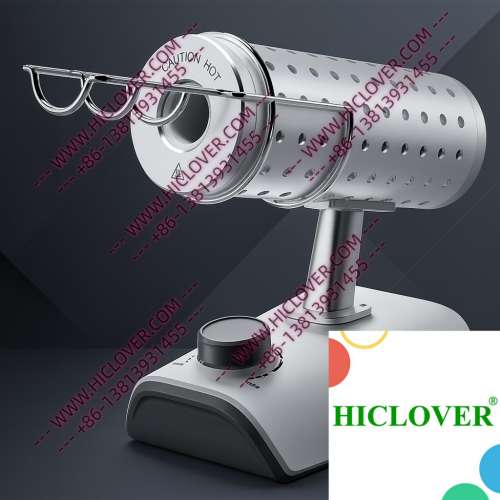
The sterilization of inoculating loops is crucial in preventing cross-contamination during microbiological studies or clinical diagnostics. Traditional methods such as Bunsen burners and alcohol lamps, while effective, can pose safety hazards due to open flames, potentially jeopardizing clean environments, especially in BSL-2 and BSL-3 laboratories. Enter the Micro Incinerator: a revolutionary tool that provides rapid thermal sterilization while adhering to stringent biosafety protocols.
Technical Principles Behind the Micro Incinerator
The Micro Incinerator utilizes infrared heat to achieve high-temperature disinfection safely and effectively. With an enclosed ceramic heating chamber, this device creates a controlled environment that minimizes aerosol generation—making it clean-bench-safe and suitable for critical laboratory applications. By concentrating heat in a compact area, it sterilizes inoculating loops rapidly, making it an efficient alternative to flame-based devices.
- Infrared Technology: Produces high, consistent temperatures rapidly.
- Enclosed Design: Significantly reduces contamination risk.
- No Flame: Enhances safety in sterile environments.
- What is the average lifespan of a Micro Incinerator?
Typically, the device has a long lifespan, depending on usage conditions and maintenance. - Can I use the Micro Incinerator for other sterilization needs?
While primarily designed for inoculating loops, it may work for small metal tools as well, but always refer to the manufacturer’s guidelines. - How does infrared sterilization compare to traditional methods?
Infrared sterilization is faster, safer, and reduces the risk of contamination, making it a superior choice for sensitive environments. - Is the Micro Incinerator compliant with WHO biosafety standards?
Yes, it is designed to meet and exceed many biosafety guidelines laid out by health organizations. - What are the maintenance requirements for the Micro Incinerator?
Regular cleaning and checking of the heating elements ensure optimal performance, with manufacturer instructions providing detailed guidelines.
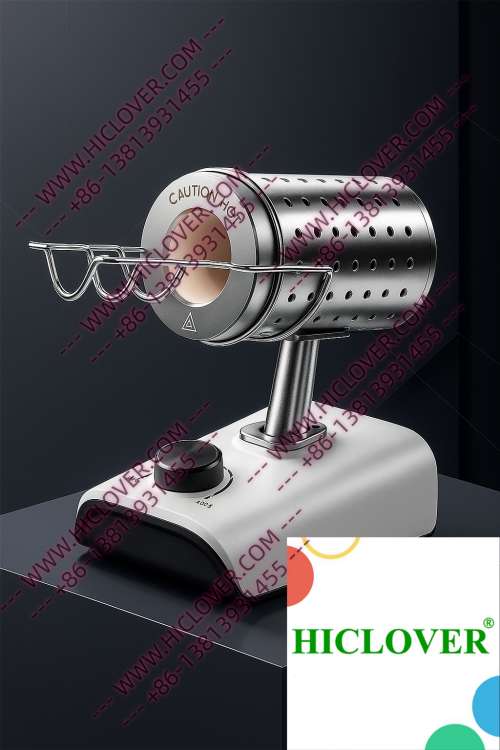
Real-World Applications of the Micro Incinerator
Understanding the versatility of the Micro Incinerator is crucial for institutions looking to enhance their sterilization practices. Below are two key application scenarios where this device excels:
1. Biosafety Cabinets in Clinical Labs
In a controlled environment like a biosafety cabinet, researchers work with pathogens that require sterile handling techniques. The Micro Incinerator provides a reliable solution for sterilizing inoculating loops without the risk of flame, which could potentially affect the sterile airflow or introduce contaminants. This technology helps maintain the integrity of experiments, crucial in clinical diagnostics and microbiology applications.
2. Teaching Laboratories in Educational Institutions
In university teaching labs, safety and efficiency are paramount. Students learn best practices in sterility and microbiological techniques but must do so in an environment devoid of hazards associated with traditional flames. The Micro Incinerator allows for safe, aerosol-free handling of inoculating loops, ensuring students can focus on learning without distraction from potential accidents.
Compliance with Biosafety Standards
The World Health Organization (WHO) outlines various biosafety protocols and sterilization standards that laboratories must adhere to, aimed at minimizing the risk of contamination and infection. The use of flame sterilizers is often discouraged in cleanrooms and sensitive environments, where particles and aerosols can compromise results. The Micro Incinerator’s safe, clean system is compliant with these standards, making it an essential tool for research institutions, hospitals, and NGOs focusing on health and safety.
A Comparative Analysis: Micro Incinerator vs. Traditional Flame Burners
| Feature | Micro Incinerator | Flame Burners |
|---|---|---|
| Heating Mechanism | Infrared heat, consistent temperatures | Open flame, temperature variability |
| Safety | No flame, clean-bench-safe | Fire hazard, not suitable for clean environments |
| Operating Environment | Suitable for BSL-2 and BSL-3 labs | Not recommended in cleanrooms |
| Speed of Sterilization | Rapid thermal sterilization | Variable, often slower |
Frequently Asked Questions
Conclusion
In modern laboratory settings, the Micro Incinerator / Infrared Inoculating Loop Sterilizer stands out as an integral component for ensuring safety and compliance. Its innovative design and efficient functionality address the challenges of contamination control, making it the go-to tool for both educational and clinical environments. Whether you’re looking to enhance your laboratory’s sterilization practices or simply exploring reliable equipment options, the Micro Incinerator is poised to meet your needs. Contact us today to learn more about how we can provide high-quality sterilization equipment that aligns with your requirements!
Categories:
Tags: