
Laboratory environments face increasing biosafety challenges every day. Effective sterilization is crucial for ensuring safety and preventing contamination in various workflows. Traditional flame sterilizers, such as alcohol lamps and Bunsen burners, have been widely used, yet they come with significant limitations—ranging from associated fire hazards to difficulties in ensuring consistent sterilization. Enter the Micro Incinerator, also known as the Infrared Inoculating Loop Sterilizer—an innovative solution that provides rapid thermal sterilization, minimizing risk while maintaining high standards of laboratory safety.
Understanding the Micro Incinerator
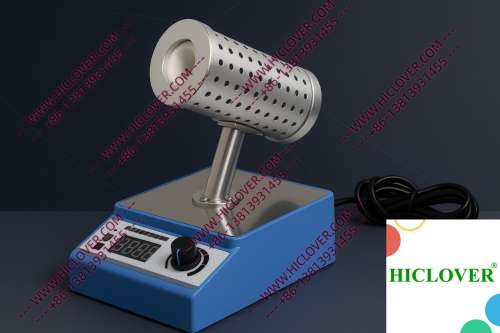
The Micro Incinerator utilizes infrared heating technology to achieve high-temperature disinfection quickly and efficiently. Specifically, it operates through an enclosed ceramic tube that generates intense infrared heat. This closed setup is particularly valuable in clean environments, ensuring that sterilization occurs without producing harmful aerosols or flames. Furthermore, the ceramic heating chamber ensures consistent temperatures across an 80 mm work zone, vastly improving contamination control compared to traditional flame methods.
Comparative Analysis: Micro Incinerator vs. Traditional Flame Sterilizers
| Feature | Micro Incinerator | Flame Sterilizers |
|---|---|---|
| Heat Source | Infrared | Open Flame |
| Contamination Risk | Minimal | High due to aerosol generation |
| Temperature Control | Precise | Variable |
| Ease of Use | Plug and play | Requires skill to operate effectively |
| Biosafety Compliance | High; suitable for BSL-2/BSL-3 | Low; unsuitable for clean rooms |
Real-World Applications of Micro Incinerators
Biosafety Cabinets
In BSL-2 and BSL-3 microbiology labs, where sterility and contamination control are paramount, the Micro Incinerator proves invaluable. Laboratory technicians can safely sterilize inoculating loops, needles, and other reusable instruments right within their biosafety cabinets, ensuring a sterile work environment without introducing additional contaminants or risks associated with flame-based sterilization methods. The ability to maintain clean air flows and a contamination-free zone is critical in these scenarios.
Field Testing and Mobile Labs
Mobile or field testing labs often operate in unpredictable environments, making the portability and safety of sterilization equipment essential. The compact nature of the Micro Incinerator allows scientists to easily transport their sterilization unit for use in different locations without sacrificing functionality. Moreover, by replacing potentially hazardous flame sterilizers with a secure, aerodynamic design, field researchers can maintain strict contamination protocols while conducting vital tests in the most demanding settings.
University Teaching Labs
Furthermore, in university settings, Micro Incinerators serve as perfect teaching tools, providing students with hands-on experience in sterilization techniques that prioritize safety and effectiveness. Unlike traditional flame sterilizers, the Micro Incinerator promotes safe practices, allowing new generations of laboratory professionals to learn about contamination control in an inclusive, supportive learning environment. It’s an excellent choice for anyone aiming to bridge theoretical knowledge and practical application.
Compliance and Environmental Considerations
Global standards for laboratory safety and sterilization processes are outlined by organizations like the WHO and various national regulatory bodies. These guidelines emphasize the necessity for flame-free environments when sterilizing equipment in clean rooms and laboratories. The Micro Incinerator aligns perfectly with such compliance requirements, significantly reducing risks associated with open flames while contributing to overall laboratory safety. Further, by minimizing aerosol generation, this technology helps laboratories adhere to stringent biosafety standards, ensuring operations remain environmentally sound.
Frequently Asked Questions (FAQs)
- What is the main advantage of using a Micro Incinerator over a traditional flame sterilizer?
The Micro Incinerator provides rapid thermal sterilization without the risks associated with flames, ensuring enhanced safety and contamination control. - In what types of labs is a Micro Incinerator most beneficial?
It is particularly advantageous in BSL-2 and BSL-3 labs, clinical diagnostics, teaching labs, and even mobile field testing units. - How does the infrared heat technology work?
The Micro Incinerator uses an enclosed ceramic tube to generate infrared radiation, producing rapid and efficient sterilization. - Are Micro Incinerators compliant with laboratory safety standards?
Yes, they meet stringent WHO biosafety standards and are ideal for flame-sensitive environments. - What type of maintenance is required for the Micro Incinerator?
Regular checks to ensure the ceramic tube is intact and free of residue, in addition to occasional cleaning to maintain performance.
Conclusion: An Innovative Step Towards Enhanced Laboratory Safety
The Micro Incinerator/Infrared Inoculating Loop Sterilizer represents a transformative leap forward in laboratory sterilization technology. Its advantages over traditional flame sterilizers include improved safety, enhanced sterilization speed, and compliance with strict biosafety regulations. By integrating these sterilizers into your laboratory workflow, you can ensure the highest levels of contamination control and operational efficiency. Whether you operate a university teaching lab, a BSL-3 facility, or conduct field tests, investing in a Micro Incinerator is essential. Reach out today for more information about how our innovative sterilization solutions can elevate your laboratory’s safety and efficiency!