
Laboratory environments, especially those handling biological samples, often face significant biosafety challenges. With stringent regulations around contamination control, laboratories must adopt robust sterilization equipment to ensure safety and compliance. Among the most effective solutions is the Micro Incinerator, also known as an Infrared Inoculating Loop Sterilizer. In this article, we will explore its technical principles, benefits compared to traditional methods, and practical applications in various laboratory settings.
Technical Principles of the Micro Incinerator
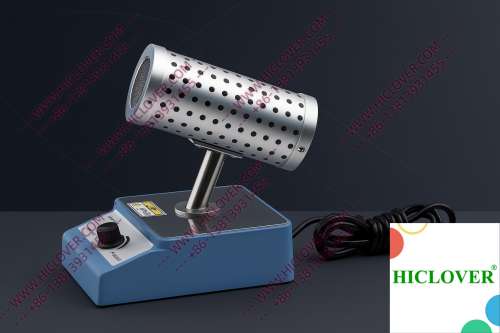
The Micro Incinerator leverages the principle of rapid thermal sterilization through infrared heat. Unlike traditional flame sources such as alcohol lamps or Bunsen burners, which can produce unwanted aerosols and contamination risks, the micro incinerator utilizes an enclosed ceramic heating chamber. This chamber radiates infrared heat to achieve high temperatures necessary for microbial destruction without exposing surfaces or equipment to open flame.
This innovative design makes it safe for use in sensitive environments, such as BSL-2 and BSL-3 labs, where controlling airborne contaminants is crucial. The infrared technology provides a consistent temperature range, ensuring thorough disinfection of inoculating loops, needles, and other lab tools in a matter of seconds.
Applications in Real Labs
1. University Teaching Labs
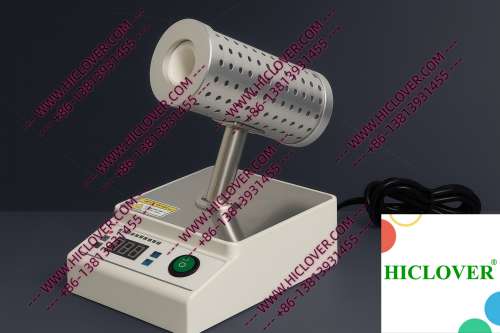
In educational settings, such as university biology and microbiology labs, the Micro Incinerator serves as an essential tool for students learning sterile techniques. Unlike open flame burners, these sterilizers can be safely operated in close quarters without the risk of burns or fire hazards. Instructors can focus on guiding students through proper inoculation procedures while eliminating worries about flame control. The compact and portable nature of the micro incinerator allows for easy integration into lab demonstrations and practical training sessions.
2. Field Testing Labs
In mobile or field testing labs, where conditions may be less controlled, maintaining sterilization integrity is vital. The Infrared Inoculating Loop Sterilizer offers rapid sterilization without the need for bulky fuel sources. For instance, during environmental sample collections, researchers can easily sterilize tools on-site, ensuring that results remain uncontaminated. Its lightweight design and battery-operated variants have further enhanced its suitability for outdoor applications, making it a preferred choice for field scientists.
Compliance with Biosafety Standards
The World Health Organization (WHO) emphasizes the importance of biosafety in laboratory practices, particularly for labs handling pathogenic organisms. Compliance with lab sterilization standards is crucial not only for physical safety but also for the integrity of scientific research. Using a Micro Incinerator aligns with these guidelines, particularly in clean rooms where open flames are prohibited due to fire risks.
“The use of flameless sterilization methods is a key step in ensuring biosafety compliance while maintaining controlled environments.”
Advantages over Traditional Flame Sterilizers
When comparing the Micro Incinerator to traditional flame sterilizers, several distinct advantages emerge:
- Safe Operation: No open flame reduces the risk of accidental fires and burns.
- Rapid Response: Instant heat up and cool down times enhance workflow efficiency.
- Aerosol-free Handling: Minimizes environmental contamination risks, especially in sensitive labs.
- Consistent Temperature Control: Ensures effective disinfection without temperature fluctuations.
| Feature | Micro Incinerator | Traditional Flame Sterilizer |
|---|---|---|
| Safety | No open flame, reduced fire risk | Open flame, high risk |
| Speed | Rapid sterilization | Delayed heating time |
| Contamination Control | Aerosol-free | Can produce aerosols |
| Portability | Lightweight and compact | Bulky and less portable |
Frequently Asked Questions about Micro Incinerators
What is a Micro Incinerator used for?
A Micro Incinerator is primarily used for sterilizing inoculating loops, needles, and other laboratory tools to prevent contamination during microbiological procedures.
How does the infrared sterilization process work?
It uses an enclosed ceramic tube that radiates infrared heat to rapidly achieve high temperatures, effectively killing microorganisms.
Is it safe for use in BSL-2 labs?
Yes, the Micro Incinerator is designed for safe operation in BSL-2 and BSL-3 laboratory environments, offering improved biosafety compared to traditional flame methods.
Can it be used in outdoor research settings?
Absolutely! Its portable nature and lack of open flames make the Micro Incinerator ideal for outdoor field testing and sample collection.
How do I maintain the Micro Incinerator?
Regular cleaning of the ceramic chamber and inspecting the heating elements are essential to maintain performance and safety.
Conclusion
As laboratories continue to evolve in response to biosafety challenges and sterility demands, equipping them with the right sterilization equipment is paramount. The Micro Incinerator / Infrared Inoculating Loop Sterilizer offers unmatched advantages, from enhanced safety to compliance with regulatory standards. Whether in university teaching labs, clinical diagnostics, or field research, this innovative tool significantly improves workflows and safety protocols. For more information on purchasing high-quality Micro Incinerators to enhance your lab’s capabilities, please contact us today!
Categories:
Tags: