
In the modern laboratory environment, biosafety remains a significant concern. In facilities handling infectious materials or hazardous pathogens, ensuring contamination control through effective sterilization methods is paramount. Traditional flame sterilizers such as alcohol lamps and Bunsen burners were once the staple choices in these settings. However, as science progresses, the demand for more effective and safer alternatives has led to the adoption of advanced solutions like Micro Incinerators and Infrared Inoculating Loop Sterilizers.
Biosafety Challenges in Modern Laboratories
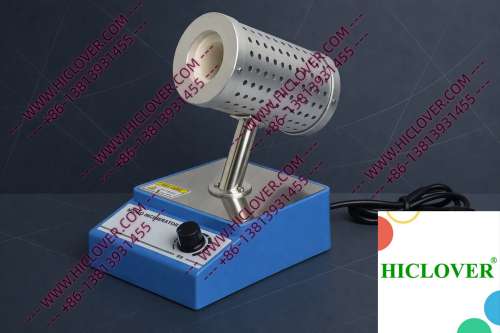
Laboratories operating under BSL-2 and BSL-3 conditions face strict biosafety regulations that dictate their sterilization workflows. Issues such as aerosol generation from open flames can lead to contamination, making it vital to use methods that offer rapid thermal sterilization without compromising safety. The Micro Incinerator harnesses infrared heat to eliminate contaminants effectively, catering to the evolving needs of microbiology labs, clinical diagnostics, and educational institutions.
The Technical Principles Behind Micro Incinerators
Micro Incinerators utilize infrared technology by employing a ceramic heating chamber that generates high temperatures rapidly. This design eliminates the need for open flames, thereby minimizing the risk of fire hazards and aerosol generation. The enclosed ceramic tube allows for precise control over temperature, leading to high-efficiency disinfection of inoculating loops, needles, and other small tools. The infrared heat penetrates microorganisms quickly, achieving sterilization in mere seconds without compromising the structural integrity of heat-sensitive instruments.
Key Features of Micro Incinerators
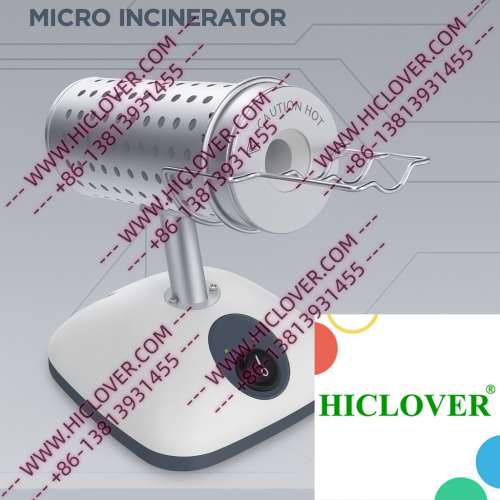
- Rapid Thermal Sterilization: Effective sterilization in seconds.
- Aerosol-Free Handling: Minimizes contamination risks.
- Ceramic Heating Chamber: Ensures high-temperature stability.
- Compact and Portable Design: Ideal for various lab setups, including field testing.
Practical Applications of Micro Incinerators
1. University Teaching Labs
In university labs, where training future scientists is essential, Micro Incinerators provide a safe and efficient means to teach sterilization techniques. Students can learn proper inoculation practices without the dangers associated with open flames. These sterilizers fit perfectly alongside bio-safety cabinets, emphasizing contamination control while actively engaging students in practical experience.
2. Field Testing Laboratories
Field testing scenarios often require mobile equipment that is both effective and portable. The Micro Incinerator’s compact size makes it an ideal choice for scientists conducting research in outdoor environments. By providing sterilization without the need for bulky equipment or hazardous flammable materials, researchers can maintain high standards of biosafety while gathering critical data.
Compliance and Environmental Standards
Compliance with WHO biosafety standards and local regulations is vital for any laboratory. The use of the Micro Incinerator ensures adherence to strict sterilization protocols necessary for working with infectious agents. Unlike traditional flame-based methods, which may produce soot and potentially hazardous waste, infrared sterilizers keep clean rooms free from contaminants, proving essential for labs operating under rigorous regulatory scrutiny.
Comparison of Micro Incinerators and Traditional Flame Sterilizers
| Feature | Micro Incinerator | Traditional Flame Sterilizers |
|---|---|---|
| Safety | Lower risk of fire hazards; aerosol-free | Higher risk of outdoor contamination |
| Efficiency | Rapid thermal sterilization in seconds | Longer warm-up time; unstable temperatures |
| Infrastructure | Compact and portable; user-friendly | Requires larger workspace and additional fuel |
Frequently Asked Questions (FAQs)
1. How does a Micro Incinerator differ from a traditional flame sterilizer?
The key difference lies in the heating mechanism. Micro Incinerators use infrared technology for rapid sterilization, while flame sterilizers utilize an open flame, which poses contamination risks and requires more room for setup.
2. Can the Micro Incinerator be used in a cleanroom environment?
Yes, Micro Incinerators are designed to operate safely in cleanroom environments, maintaining compliance with biosafety standards without generating aerosol.
3. What types of materials can be sterilized using a Micro Incinerator?
It can sterilize inoculating loops, needles, and any heat-resistant laboratory instruments.
4. How long does it take to achieve sterilization?
Sterilization can typically be achieved in less than 10 seconds, making it highly efficient for laboratory workflows.
5. Is maintenance required for the Micro Incinerator?
Minimal maintenance is needed, mainly cleaning the heating chamber after use to ensure optimal performance.
Conclusion: Elevate Your Laboratory Sterilization Process
With the increasing focus on laboratory safety and efficiency, transitioning to Micro Incinerators is a smart innovation for modern labs. They provide rapid thermal sterilization, alignment with environmental standards, and contamination control—all while being user-friendly. Explore our selection of Micro Incinerators to enhance your sterilization process, and contact us to find the perfect solution for your laboratory needs.
Categories:
Tags: