
Laboratories today face increasing biosafety challenges, particularly regarding contamination control and workflow efficiency. Traditional sterilization methods, including flame-based systems, have proven effective but come with numerous risks and limitations. As laboratories strive for improvement, the need for reliable, safe, and efficient sterilization methods becomes paramount. Enter the Micro Incinerator, also known as the Infrared Inoculating Loop Sterilizer, a game-changer in laboratory sterilization technology.
Understanding the Technical Principles
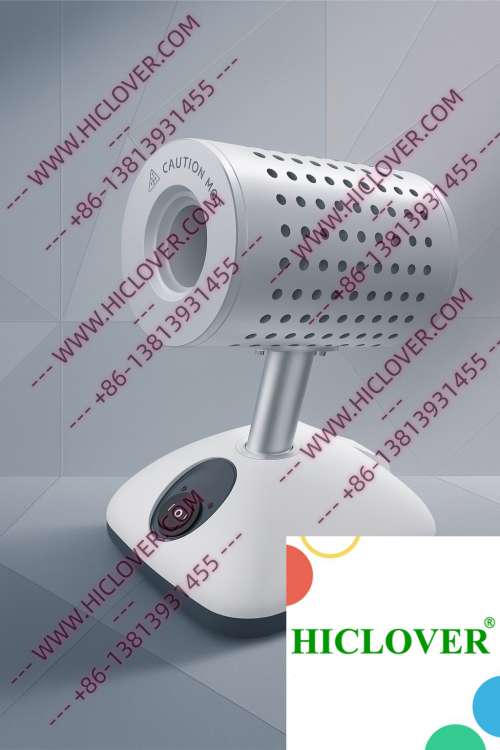
The Micro Incinerator operates on the principle of rapid thermal sterilization through infrared heat. Unlike traditional flame burners, which can produce dangerous aerosols and offer limited aiming precision, the Micro Incinerator utilizes an enclosed ceramic heating chamber to ensure a consistent high-temperature disinfection environment.
This innovative design allows the device to achieve temperatures of up to 800 degrees Celsius almost instantaneously. The infrared heating technique not only reduces the time taken for sterilization but also minimizes the risk of contamination from flaming procedures. The system is designed to safely contain heat, making it ideal for use in clean environments like BSL-2 and BSL-3 laboratories.
Applications of Micro Incinerators in Real Labs
Micro Incinerators are revolutionizing sterilization capabilities in various laboratory settings. Below are two application scenarios highlighting the advantages of this cutting-edge technology:
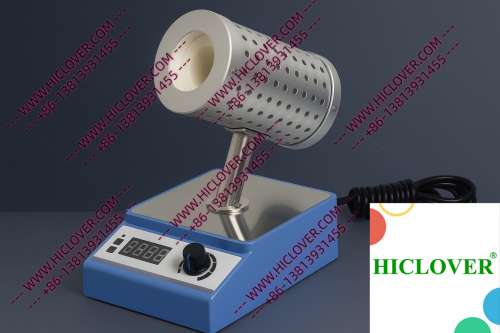
1. University Teaching Labs
In teaching laboratories, where students grapple with various microbiological procedures, the Micro Incinerator offers a safe alternative to traditional flame sterilizers. Instructors can confidently demonstrate techniques while ensuring that students can practice without exposure to open flames. The device effectively sterilizes inoculating loops for culturing microorganisms with ease, allowing for enhanced focus on learning outcomes.
2. Field Testing Laboratories
Field testing labs, where microorganisms must be handled outside standard containment facilities, also benefit significantly from Micro Incinerators. Rapid sterilization is crucial in these settings, particularly when working with dangerous pathogens. The absence of flames significantly reduces risks while maintaining stringent biosafety protocols. The compact design and portability of the Micro Incinerator make it an indispensable tool for mobile research teams.
Adhering to Compliance and Environmental Standards
Compliance with biosafety and sterilization standards is non-negotiable in laboratory settings. The World Health Organization (WHO) outlines strict guidelines for sterilization processes, intended to prevent the spread of harmful microorganisms. The Micro Incinerator meets these standards effectively, providing an aerosol-free handling environment ideal for clean rooms.
Comparison with Traditional Flame Sterilizers
| Feature | Micro Incinerator | Traditional Flame Sterilizers |
|---|---|---|
| Heat Generation | Infrared, enclosed ceramic tube | Open flame (Bunsen burner, alcohol lamps) |
| Risk of Contamination | Minimal (aerosol-free) | High (potential for aerosols) |
| Heat Up Time | Instantaneous | Lengthy preparation required |
| Portability | Compact and lightweight | Bulky and less mobile |
Benefits Over Traditional Methods
The Micro Incinerator presents numerous advantages over traditional flame sterilizers:
- Rapid Thermal Sterilization: The infrared heating element rapidly achieves a high temperature, ensuring effective sterilization in seconds.
- Minimal Risk: Significantly reduces the risks associated with aerosol contamination and fire hazards.
- Compact Design: Ideal for laboratory spaces with limited room or for mobile testing setups.
- Safe for Clean Environments: The absence of an open flame makes it suitable for use in clean rooms where traditional methods are prohibited.
Frequently Asked Questions (FAQs)
What is a Micro Incinerator, and how does it work?
A Micro Incinerator, or Infrared Inoculating Loop Sterilizer, uses infrared heat to sterilize inoculating loops and other lab instruments rapidly. It operates within an enclosed ceramic chamber, ensuring high-temperature disinfection while minimizing contamination risks.
What are the main advantages of using a Micro Incinerator over flame sterilizers?
The Micro Incinerator offers numerous benefits, including rapid heating, reduced risk of aerosol contamination, and the ability to operate safely in clean rooms.
In what laboratory settings is a Micro Incinerator typically used?
Micro Incinerators are widely used in university teaching labs, clinical diagnostics, field testing laboratories, and BSL-2/BSL-3 microbiological research settings.
Are Micro Incinerators compliant with international biosafety standards?
Yes, Micro Incinerators adhere to WHO biosafety guidelines and sterilization standards, making them suitable for use in laboratories that require strict compliance.
Can I purchase a Micro Incinerator for my laboratory?
Absolutely! If you’re looking to enhance your laboratory’s safety and efficiency, consider investing in a Micro Incinerator to improve your sterilization processes. Contact us today for more information!
Conclusion
The Micro Incinerator is emerging as a critical component in today’s laboratory sterilization landscape. With its rapid thermal sterilization capabilities, safety advantages, and compliance with rigorous biosafety standards, it is designed to meet the evolving demands of modern laboratory workflows. Whether you are working in a teaching lab, conducting mobile field tests, or working within stricter biosafety environments, the Micro Incinerator is an optimal choice for effective contamination control. Transform your sterilization practices and enhance your lab’s efficiency by investing in this pioneering device. Get in touch with us today to learn more!
Categories:
Tags: