
In modern laboratories, the challenge of maintaining a sterile environment while ensuring biosafety and workflow efficiency is more critical than ever. Traditional flame sterilizers, such as Bunsen burners or alcohol lamps, may leave labs vulnerable to contamination due to the production of aerosols and an uncontained sterile field. Enter the Micro Incinerator, or Infrared Inoculating Loop Sterilizer, a groundbreaking solution that addresses these issues head-on.
Why Choose Micro Incinerators over Traditional Flame Sterilizers?
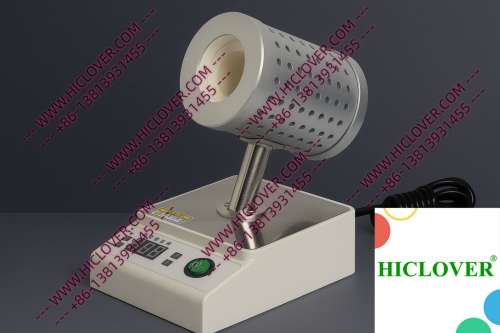
The Micro Incinerator operates on the principle of rapid thermal sterilization using infrared heat emitted from a ceramic heating chamber. Unlike standard flame-based devices, the enclosed ceramic tube provides a high-temperature disinfection environment without the complications associated with an open flame. This feature helps mitigate risks associated with fire hazards, while ensuring a clean and efficient sterilization process.
| Features | Micro Incinerator | Flame Sterilizers |
|---|---|---|
| Temperature Control | Precise and adjustable | Limited control |
| Safety | No open flames; reduced aerosol risk | Fire hazard; aerosol production |
| Portability | Compact and lightweight | Bulky and often fixed |
| Energy Efficiency | Low energy consumption | Variable efficiency |
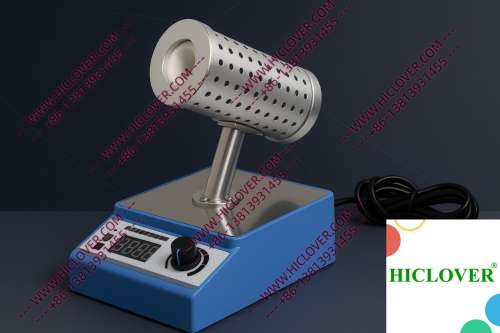
Applications of Micro Incinerators in Different Laboratory Settings
Biosafety Cabinets
Within BSL-2 and BSL-3 microbiology labs, the efficacy of sterilization devices is paramount. Micro Incinerators are routinely employed in biosafety cabinets where maintaining a sterile working environment is vital. Their ability to safely sterilize inoculating loops and needles without producing flames makes them essential for microbial cultures.
Field Testing and Mobile Labs
In remote areas where field tests are conducted, access to traditional sterilization tools may be limited. The portability of Micro Incinerators allows field researchers to ensure their equipment is free from contaminants. These units are battery-operated or can function on low-power systems, providing versatility for different field conditions.
University Teaching Labs
University labs often serve as teaching grounds for future scientists. The Micro Incinerator’s user-friendly design, alongside its safety features, is particularly advantageous. Instructors can demonstrate sterilization techniques without the risks associated with flames, encouraging students to focus on sterile techniques without distraction.
Compliance with Biosafety and Sterilization Standards
Maintaining compliance with international biosafety guidelines is crucial for laboratory operations. Organizations such as the World Health Organization (WHO) and the Centers for Disease Control and Prevention (CDC) emphasize the importance of sterilization procedures that minimize contamination risks. This has implications for clean rooms and microbiology labs, where traditional flame sterilizers are not suitable.
- WHO Biosafety Guidelines
- ISO 13485 Standards for medical devices
- CDC recommendations for laboratory safety
- EPA regulations for hazardous materials
Micro Incinerators ensure compliance with these standards by offering flame-free sterilization solutions that uphold the integrity of sterile environments.
Advantages of Micro Incinerators: A Cut Above Traditional Methods
Micro Incinerators showcase several advantages compared to traditional flame sterilizers, including:
- Rapid Thermal Sterilization: Provides faster sterilization times, improving laboratory workflow.
- Contamination Control: Limits risk of aerosolization, maintaining a safer environment for sensitive operations.
- No Flame Hazard: Reduces fire risks within clean rooms and labs, crucial for delicate materials.
- Easier Maintenance: The design allows for straightforward maintenance and less frequent replacement of components.
Frequently Asked Questions (FAQs)
What are Micro Incinerators used for?
Micro Incinerators are primarily used for sterilizing inoculating loops, needles, and other small laboratory tools without the use of an open flame.
How does infrared sterilization work?
The Micro Incinerator uses infrared technology to rapidly heat a ceramic chamber, allowing for quick and efficient sterilization of tools in a contained, safe manner.
Are Micro Incinerators compliant with international safety standards?
Yes, Micro Incinerators meet various international lab safety standards, including those set forth by the WHO and CDC, making them suitable for use in BSL-2 and BSL-3 environments.
Can a Micro Incinerator be used in field testing?
Absolutely! The compact and portable design of Micro Incinerators makes them ideal for mobile labs and field testing scenarios, enhancing sterilization capabilities on-site.
What is the energy consumption of a Micro Incinerator?
Micro Incinerators are energy-efficient, enabling labs to maintain low energy costs while achieving effective sterilization.
Conclusion
In an era where contamination control and biosafety are increasingly paramount, the Micro Incinerator or Infrared Inoculating Loop Sterilizer stands out as a transformative solution for laboratories worldwide. Whether for university teaching labs, BSL-2 microbiology spaces, or environmental field testing, these devices reimagine sterilization methods, offering efficiency, safety, and compliance with international standards.
Contact us today to discover the advantages of the Micro Incinerator for your laboratory needs and elevate your sterilization workflow!