
In modern laboratories, especially those classified as BSL-2 or BSL-3, the challenge of maintaining biosafety while ensuring effective sterilization is paramount. Laboratories often deal with a multitude of biological samples that require rigorous contamination control. Traditional flame sterilizers, such as alcohol lamps and Bunsen burners, have long been the go-to for rapid thermal sterilization. However, they pose risks associated with fumes and require careful handling. As these challenges evolve, the need for innovative sterilization tools like the Micro Incinerator, or Infrared Inoculating Loop Sterilizer, emerges as a necessity in the quest for higher efficiency and safety.
The Ingenious Design and Technical Principles of the Micro Incinerator
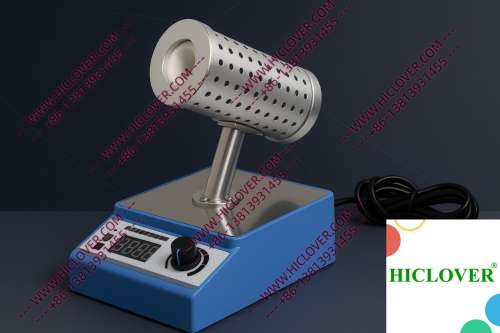
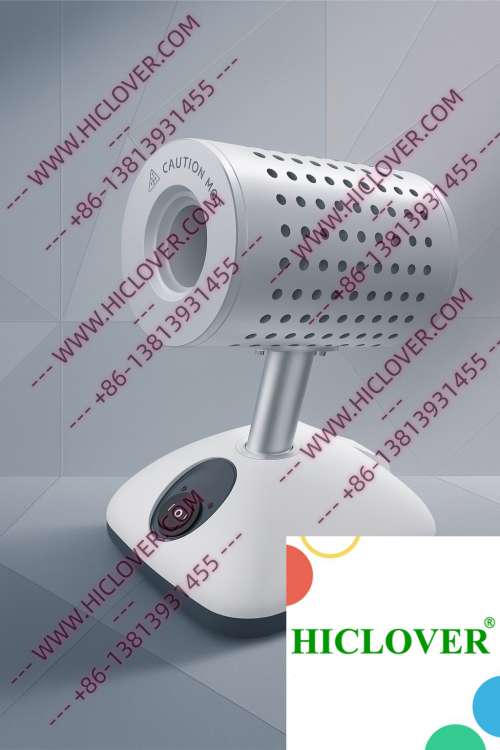
The Micro Incinerator operates on the principle of infrared heat generation within an enclosed ceramic tube. Unlike traditional flame-based sterilizers, the infrared technology provides high-temperature disinfection while eliminating the risk of open flames that could contaminate sterile environments such as clean benches and laminar flow hoods. The compact design of the device makes it easy to store and transport, catering to both stationary and mobile applications in field testing labs.
Key features of the Micro Incinerator include:
- Rapid heating: Achieves optimal sterilization temperatures in seconds.
- Aerosol-free operation: Minimizes contamination risks during sterilization.
- User-friendly interface: Simple controls for quick functionality.
- Compact footprint: Ideal for small laboratory spaces or field applications.
- Long-lasting ceramic tube: Durable materials ensure extended product life.
Real-Life Applications of Micro Incinerator in Laboratories
Application Scenario 1: University Teaching Labs
In educational institutions, especially those that teach microbiology and related courses, the Micro Incinerator proves invaluable. Teaching labs often experience high student traffic, which increases the likelihood of cross-contamination between samples. This sterilizer allows students to safely and efficiently sterilize inoculating loops and other tools without the risks associated with open flames, promoting a safer learning environment.
Application Scenario 2: Clinical Diagnostics in BSL-2 and BSL-3 Labs
In clinical settings, particularly in BSL-3 labs handling highly infectious agents, the Micro Incinerator facilitates biosafety by effectively sterilizing tools in a compact, closed system. The use of this device ensures compliance with health regulations while maximizing workflow efficiency, as laboratory personnel can handle samples without the fear of uncontrolled flame hazards. Additionally, the sterilizer’s aerosol-free handling aligns with the strict contamination control protocols mandated by WHO biosafety standards.
Compliance with Lab Sterilization Standards
When it comes to laboratory sterilization, adhering to established biosafety regulations is critical. The WHO’s biosafety guidelines emphasize the need for effective sterilization methods, particularly in environments where transmissible pathogens are handled. The Micro Incinerator fits perfectly within these regulations, providing a flame-free sterilization option that is compliant with global health standards. Its design is particularly suited for cleanrooms and other controlled environments where open flames are prohibited, reducing the risk of fire hazards.
Comparative Analysis: Micro Incinerator vs. Traditional Flame Sterilizers
| Feature | Micro Incinerator | Flame Sterilizer |
|---|---|---|
| Heating Method | Infrared | Open Flame |
| Temperature Control | Precise and fast | Variable and less controlled |
| Contamination Risk | Aerosol-free | Higher risk due to fumes |
| Size and Portability | Compact design | Bulky and less portable |
| Compliance | Meets health standards | May not meet all guidelines |
Frequently Asked Questions
What is a Micro Incinerator and how does it work?
A Micro Incinerator is a sterilization device that uses infrared heat within a ceramic chamber to rapidly sterilize tools and equipment, minimizing the risk of contamination.
Are there specific applications where the Micro Incinerator is preferred?
Yes, it is particularly valuable in university teaching labs and clinical diagnostics labs, where quick and effective sterilization is necessary without the hazards of open flames.
How does the Micro Incinerator ensure compliance with biosafety standards?
It operates with a closed system that limits aerosol generation, complies with WHO biosafety guidelines, and is suitable for cleanroom environments.
Is the Micro Incinerator safe for use in teaching labs?
Absolutely! The device is designed for safety, eliminating the risks associated with traditional flame sterilizers, making it ideal for educational settings.
What maintenance does the Micro Incinerator require?
The device requires minimal maintenance, primarily ensuring the ceramic tube remains clean and free of biological residues for optimal performance.
Conclusion
Investing in a Micro Incinerator is not just about upgrading laboratory equipment; it’s about enhancing biosafety protocols, improving sterilization workflows, and providing a safe environment for both researchers and students. To explore how the Micro Incinerator can benefit your laboratory or to make a purchase, feel free to contact us today! Discover a revolution in biosafety and efficiency!
Categories:
Tags: