
In the world of laboratory research, biosafety challenges loom large, particularly in remote laboratory settings where contamination control is paramount. With increasing demands for stringent sterilization workflows, the introduction of advanced sterilization devices has become critical. Among these innovations, the Micro Incinerator or Infrared Inoculating Loop Sterilizer is reshaping how field microbiology laboratories approach cleanliness and operational efficiency.
The Technical Principle of Infrared Sterilization
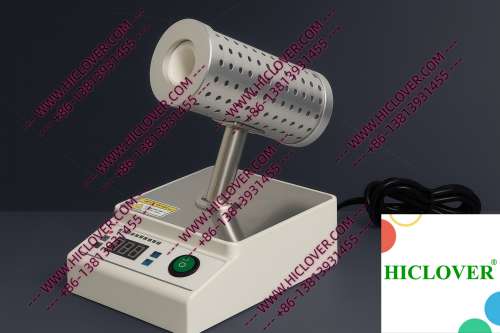
The Micro Incinerator utilizes a unique mechanism of rapid thermal sterilization via an enclosed ceramic heating chamber and infrared heat. This system generates high temperatures that effectively eliminate microbial life on inoculating loops without the need for open flames, thus addressing many of the inherent risks with traditional sterilization methods.
One of the core components is the infrared heating element, which radiates heat uniformly and minimizes heat loss. This mechanism ensures that the sterilization process is quick, efficient, and consistent, making it ideal for portable labs that frequently require immediate contamination control. Unlike flame-based sterilizers, the Micro Incinerator operates within a clean-bench-safe environment, significantly reducing the risk of aerosol generation.
Applications in Laboratory Settings
1. Biosafety Cabinets
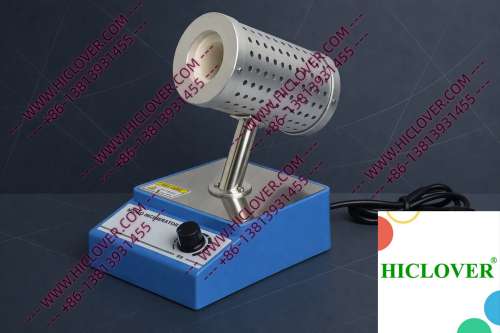
In high-biosafety laboratories, particularly BSL-2 and BSL-3 facilities, maintaining a sterile environment is crucial. The Micro Incinerator can be strategically placed inside biosafety cabinets, allowing researchers to sterilize tools in a controlled environment without introducing flame hazards. This setup not only adheres to safety protocols but also facilitates efficient workflows, minimizing time lost during sterilization.
2. Field Testing
When working in remote field testing labs, traditional sterilization methods can be cumbersome and risky. The Micro Incinerator is lightweight and portable, making it a perfect companion for field researchers gathering microbiological samples in locations far from established labs. Whether testing water quality or environmental samples, the ability to sterilize inoculating loops on-site promotes adherence to contamination control protocols.
Compliance and Environmental Considerations
Working within the guidelines established by the World Health Organization (WHO) and other lab sterilization standards is non-negotiable. The Micro Incinerator provides a safe alternative to flame-based sterilizers, which are often not suitable for use in clean rooms due to the risk of contamination from flames and combustion byproducts. It meets crucial requirements concerning laboratory sanitation, ensuring compliance with biosafety regulations, which can vary between countries.
In regions such as Europe, Japan, and North America, strict protocols govern lab sterilization practices. The use of heated ceramic technology is increasingly favored due to its environmental safety and effectiveness in achieving high-temperature disinfection without the release of aerosols, which are critical in preventing cross-contamination.
Comparison of Micro Incinerator and Traditional Flame Sterilizers
| Feature | Micro Incinerator | Flame Sterilizers |
|---|---|---|
| Sterilization Method | Infrared High-Temperature | Open Flame |
| Risk of Contamination | Minimal | High |
| Portability | Very High | Limited |
| Heat Control | Precise | Variable |
| Environmentally Safe | Yes | No |
Frequently Asked Questions (FAQs)
- How does the Micro Incinerator differ from traditional sterilization methods? The Micro Incinerator provides a flame-free sterilization option, employing infrared heat that minimizes contamination risks and enhances safety in sensitive environments.
- Are there specific laboratory types that benefit most from using a Micro Incinerator? Yes, BSL-2 and BSL-3 labs, mobile testing facilities, and teaching labs can all benefit from its efficiency and safety features.
- Can the Micro Incinerator operate in cleanroom environments? Absolutely, its design makes it ideal for use in cleanrooms since it eliminates the risks associated with flames, ensuring compliance with sterilization standards.
- What types of tools can be sterilized using the Micro Incinerator? The device is effective for sterilizing inoculating loops, needles, and other heat-resistant lab tools.
- Is the Micro Incinerator easy to transport for field use? Yes, its lightweight and compact design make it particularly suited for transport to remote field locations.
Conclusion: A New Era of Laboratory Sterilization
As laboratory environments continue to evolve, the need for effective and safe sterilization solutions becomes more pertinent. The Micro Incinerator / Infrared Inoculating Loop Sterilizer represents a breakthrough in field microbiology applications, addressing the operational needs of researchers while adhering to the highest standards of safety and compliance. Contact us today to explore acquisition options and enhance your lab’s sterilization capabilities.
Categories:
Tags: