
In today’s rapidly evolving laboratory environments, the demand for effective sterilization solutions is more critical than ever. Laboratories, particularly those operating under biosafety level protocols, face substantial challenges in maintaining contamination control. Traditional sterilization methods—such as alcohol lamps and Bunsen burners—can introduce aerosols, increase fire hazards, and often lack the efficiency required for modern applications. In this landscape, innovative technologies like the Micro Incinerator / Infrared Inoculating Loop Sterilizer are changing the game for laboratory sterilization.
Practical Laboratory Biosafety Challenges
The integrity of laboratory results is closely tied to the sterility of the tools used during experiments. For laboratories operating under BSL-2 or BSL-3 biosafety guidelines, the ability to quickly and effectively sterilize instruments is crucial. In environments that involve pathogenic agents, the need for an effective sterilization solution is paramount. Here are some common challenges:
- Increased risk of contamination from open flames.
- Higher operational costs due to inefficient sterilization methods.
- The complexity of ensuring compliance with local and international biosafety regulations.
Technical Principles of the Micro Incinerator
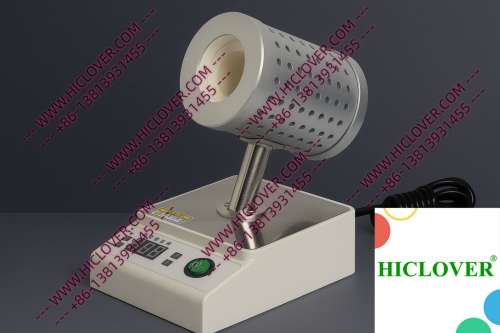
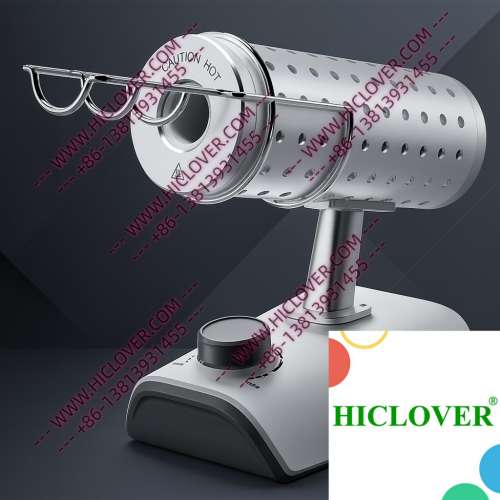
The Micro Incinerator represents a significant advancement in sterilization technology. Utilizing rapid thermal sterilization via infrared heat, this device is designed with a ceramic heating chamber that achieves temperatures exceeding 800°C in a matter of seconds. The enclosed design of the infrared inoculating loop sterilizer reduces the risk of accidental ignition and aerosol generation, allowing for a clean-bench-safe user experience.
Unique Features of the Micro Incinerator
- Infrared High-Temperature Disinfection: Achieves rapid sterilization without the use of flames.
- Compact Design: Ideal for mobile or field testing labs, as well as university teaching settings.
- Efficient Heat Transfer: Minimal energy consumption leads to cost savings over time.
Application Scenarios in Real Labs
Biosafety Cabinets
Within BSL-2 microbiology labs, the Micro Incinerator can be positioned in biosafety cabinets for immediate on-demand sterilization. Researchers can conveniently and quickly sterilize inoculating loops, pipette tips, and other small instruments without handling open flames, significantly minimizing the risk of contamination.
Field Testing Labs
In resource-limited settings or during field testing missions, the portability of the Micro Incinerator comes into play. Medical and environmental teams can utilize it to sterilize their equipment without the need for traditional heating sources, ensuring that they maintain a contamination-free environment even in the most challenging conditions.
Compliance and Environmental Considerations
With the World Health Organization (WHO) guidelines emphasizing the importance of laboratory biosafety, the Micro Incinerator is designed to meet stringent sterilization standards. It ensures compliance with regulations that demand flame-free operations, especially in clean rooms and sensitive environments where any open flame is strictly prohibited.
Moreover, the absence of open flames reduces the risk of fire hazards, creating a safer working environment. This level of compliance is essential not only for meeting operational standards but also for ensuring the safety of personnel in educational and clinical settings.
Comparison: Micro Incinerator vs. Traditional Flame Sterilizers
| Feature | Micro Incinerator | Flame Sterilizers |
|---|---|---|
| Type of Heat | Infrared | Open Flame |
| Risk of Contamination | Low | High |
| Energy Efficiency | High | Moderate |
| Mobility | Portable | Static |
| Compliance | Excellent | Variable |
FAQs about the Micro Incinerator
What is the key advantage of using a Micro Incinerator over a traditional flame sterilizer?
One of the primary advantages is the reduction of contamination risk. Unlike traditional flame sterilizers, the Micro Incinerator operates with infrared heat, significantly minimizing aerosol and open flame hazards.
Is the Micro Incinerator suitable for use in university teaching labs?
Yes, its compact size and ease of use make it ideal for educational settings where students need to learn safe sterilization practices without the risks associated with open flames.
Can the Micro Incinerator be used in field laboratories?
Absolutely! Its portable design allows it to be effectively utilized in mobile or field testing labs, enabling teams to maintain hygiene standards in diverse settings.
How does the Micro Incinerator ensure compliance with biosafety standards?
The device is designed to adhere to WHO biosafety standards by operating with no flames, thus being suitable for clean rooms and other sensitive environments.
What kind of maintenance is required for the Micro Incinerator?
Minimal maintenance is required. Regular cleaning of the ceramic heating chamber is typically sufficient to maintain its efficiency and performance.
Conclusion
The Micro Incinerator / Infrared Inoculating Loop Sterilizer is revolutionizing the way laboratories approach sterilization. By providing a safe, efficient, and compliant alternative to traditional flame sterilizers, it meets the needs of modern laboratories, whether they are located in clinical diagnostics, research spaces, or educational environments. Contact us today to learn more about how the Micro Incinerator can enhance your laboratory’s workflow and safety standards.
Categories:
Tags: