
In the quest for maintaining the highest standards of biosafety, laboratories face numerous challenges surrounding contamination control and sterilization workflows. With the advancement of scientific demands in today’s fast-paced research environments, laboratory personnel are turning to innovative solutions that enhance safety while improving efficiency. Among these solutions, the Micro Incinerator / Infrared Inoculating Loop Sterilizer stands out as an indispensable tool for modern laboratories, particularly in the context of portable sterilization equipment.
Understanding the Technical Principles of Micro Incinerators
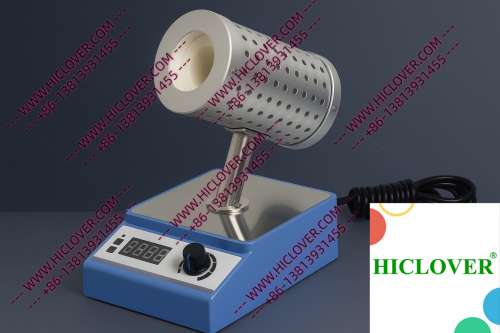
The Micro Incinerator operates on the principles of infrared high-temperature disinfection. Unlike traditional flame sterilizers such as alcohol lamps or Bunsen burners, which can produce contaminants and pose fire hazards, this advanced device utilizes an enclosed ceramic heating chamber that generates rapid thermal sterilization. This system efficiently reaches high temperatures, allowing for swift sterilization of inoculating loops, needles, and other lab tools without the risk of aerosol spread.
The design includes a specialized ceramic tube that retains heat effectively, ensuring a consistent and reliable sterilization process. This innovation eliminates the need for open flames, thus maintaining a clean environment, especially crucial in BSL-2 and BSL-3 microbiology labs.
Application Scenarios in Real Labs
1. Biosafety Cabinet Usage
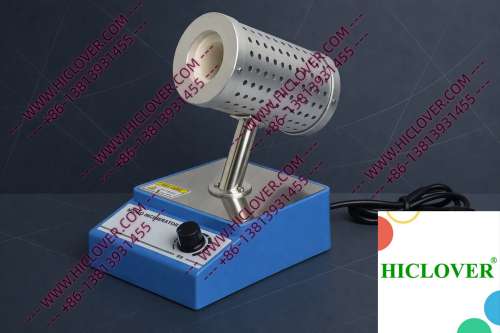
In a biosafety cabinet, aerosol generation is a significant concern. Using an Infrared Inoculating Loop Sterilizer allows microbiologists to safely sterilize their tools while minimizing exposure risks. The rapid heat-up time ensures that transitions between procedures are quick, maintaining workflow efficiency without compromising biosafety.
2. Field Testing in Mobile Labs
Field testing can present unique challenges, particularly in terms of logistics and sterilization. The portability of the Micro Incinerator makes it a valuable asset for mobile laboratory setups. Whether conducting tests in remote areas or during environmental assessments, this device provides on-the-spot sterilization, reducing contamination risks and enhancing the reliability of field results.
Compliance with Global Biosafety Standards
Compliance with international protocols such as those established by the World Health Organization (WHO) is paramount in laboratory settings. The transition from traditional flame sterilizers to modern devices like the Micro Incinerator ensures adherence to the latest lab sterilization standards and biosafety regulations. Closed systems prevent open flames, making them safer for use in clean rooms and laboratories requiring stringent contamination management practices.
- WHO Biosafety Guidelines
- ISO 13485 – Medical Devices Quality Management Systems
- BSL-2 and BSL-3 Compliance
- Flame-Free Operation in Clean Rooms
Comparison of Micro Incinerator for Flame Sterilizers
| Feature | Micro Incinerator | Flame Sterilizers |
|---|---|---|
| Heating Method | Infrared | Open Flame |
| Safety | Low risk of fire, no fumes | High fire hazard, fumes present |
| Portability | Highly portable | Less portable, requires fuel |
| Efficiency | Rapid thermal sterilization | Longer heat-up time |
Frequently Asked Questions
Q1: What are the main advantages of using a Micro Incinerator over traditional flame sterilizers?
A1: The Micro Incinerator offers numerous advantages, including rapid thermal sterilization, reduced risk of fire hazards, contained aerosol handling, and a portable design that enhances laboratory workflows in various environments.
Q2: Can a Micro Incinerator be used in clean-room settings?
A2: Yes, the Micro Incinerator is designed for use in clean-room environments. Its flame-free operation and efficient sterilization process comply with strict biosafety and sterilization standards.
Q3: What types of laboratories benefit most from using a Micro Incinerator?
A3: Micro Incinerators are particularly beneficial in BSL-2 and BSL-3 microbiology labs, clinical diagnostics, university teaching labs, and mobile or field testing laboratories.
Q4: How does the Micro Incinerator contribute to contamination control?
A4: By providing rapid sterilization without open flames, the Micro Incinerator minimizes the risk of contamination through aerosols and maintains a clean and safe work environment.
Q5: Are there specific regulations guiding the use of sterilization equipment in laboratories?
A5: Yes, there are several regulations, including WHO biosafety guidelines and ISO standards that govern laboratory sterilization to ensure the safety and integrity of laboratory environments.
Conclusion: Embrace the Future of Laboratory Sterilization
As the push for enhanced safety and efficiency in laboratories grows, the Micro Incinerator / Infrared Inoculating Loop Sterilizer emerges as a critical tool in modern biological sciences. Whether for teaching laboratories, field testing, or clinical diagnostics, this device not only complies with stringent biosafety regulations but also transforms the way researchers approach sterilization. For more information on how this innovative sterilization equipment can elevate your laboratory’s capabilities, feel free to reach out to us or explore our offerings today.
Categories:
Tags: