
The quest for effective sterilization methods remains crucial in the laboratory, especially in settings where biosafety challenges persist. Laboratory environments often grapple with contamination control, particularly in rural areas lacking sophisticated infrastructure. The need for reliable sterilization equipment, such as the Micro Incinerator or Infrared Inoculating Loop Sterilizer, underscores the significance of adapting to local contexts while meeting global lab standards.
Understanding Micro Incinerators: Technical Principles
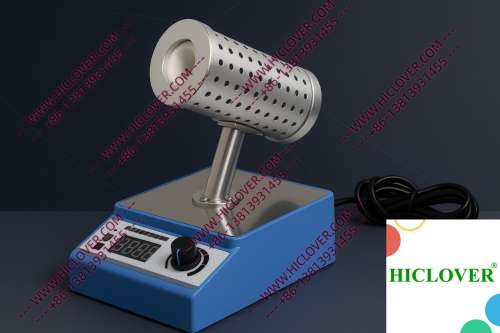
Micro incinerators operate on the principle of rapid thermal sterilization. Utilizing infrared heat, these devices achieve high temperatures sufficient to eliminate microbial contaminants, offering an enclosed ceramic heating chamber for efficient sterilization. This configuration not only enhances safety but also minimizes the risk of aerosol dispersion, a common concern in rhythmically busy laboratory settings. Moreover, compared to traditional methods like alcohol lamps and Bunsen burners, micro incinerators present a cleaner, more eco-friendly alternative.
“Micro incinerators represent an innovative tool in laboratory sterilization, especially where safety and efficiency are paramount.”
Applications of Micro Incinerators in Real Labs
1. Teaching Laboratories
In educational institutes, Micro Incinerators are invaluable. Professors can conduct microbiology experiments in a controlled environment, facilitating hands-on training without compromising safety. The use of these sterilizers is particularly relevant in BSL-2 labs where students must learn aseptic techniques without the hazards associated with flame-based alternatives.
2. Field Testing Laboratories
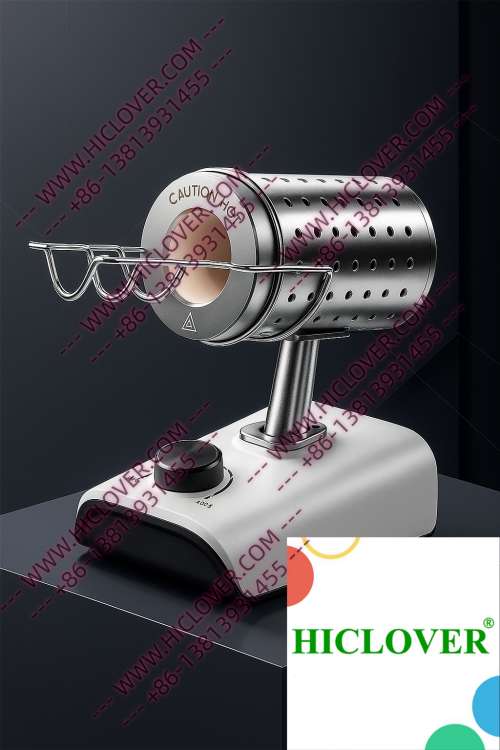
In rural or field testing laboratories, where power sources may be unstable, the portability of micro incinerators manifests as a significant advantage. Researchers collecting samples in remote areas can confidently sterilize tools on-site, ensuring that contamination does not compromise their findings. The technology’s aerosol-free handling capabilities enhance its appeal, allowing scientists to conduct their work unhindered by contamination risks.
Regulatory Compliance and Environmental Considerations
Adhering to WHO biosafety standards, micro incinerators are particularly well-suited for spaces requiring lab sterilization standards. Their design minimizes flames, making them appropriate for clean rooms where safety is paramount. Compliance with guidelines set forth by international bodies emphasizes the importance of adopting modern sterilization technology over traditional flame methods.
Moreover, the environmental implications of using flame-based sterilizers—like alcohol lamps which emit pollutants—underscore the necessity to transition towards greener solutions. By utilizing micro incinerators, laboratories contribute to a reduction in their environmental footprint while maintaining stringent sterilization practices.
| Feature | Micro Incinerator | Flame Burners |
|---|---|---|
| Temperature Control | Precise and adjustable | Dependent on fuel and user |
| Safety | Enclosed system | Open flame hazards |
| Environmental Impact | Low emissions | Smoke and pollutants produced |
| Ease of Use | Simple operational protocol | Requires careful handling |
Challenging Yet Rewarding: Considerations for Implementation
Despite the evident advantages, the implementation of micro incinerators in rural and mobile labs is not without challenges. Financial constraints and limited technical support in these settings can hinder access to necessary sterilization tools. It’s essential to conduct comprehensive training programs that equip laboratory personnel with the skills needed to effectively use these advanced sterilizers.
Frequently Asked Questions (FAQs)
- Q: What is a micro incinerator?
A: A micro incinerator is a laboratory device that uses infrared heat for rapid thermal sterilization, achieving high temperatures to eliminate microbial contaminants. - Q: How does it compare to traditional flame sterilizers?
A: Unlike flame sterilizers, micro incinerators provide more precise temperature control and safety through their enclosed design, minimizing the risks associated with open flames. - Q: Are micro incinerators compliant with WHO standards?
A: Yes, micro incinerators are designed to meet WHO biosafety standards, making them ideal for BSL-2 and BSL-3 laboratory environments. - Q: How can micro incinerators improve laboratory workflow?
A: Their rapid sterilization process allows for a more efficient workflow by reducing contamination risks and cleaning time between experiments. - Q: Where can I purchase a micro incinerator?
A: You can purchase micro incinerators from specialized laboratory supply distributors and manufacturers focusing on biosafety equipment.
Conclusion
Micro Incinerators, such as Infrared Inoculating Loop Sterilizers, offer transformative advantages for laboratory sterilization, particularly in rural and under-resourced environments. As the healthcare landscape evolves, adopting these advanced tools addresses both safety and eco-responsibility. If you’re looking to enhance your laboratory’s sterilization capabilities, feel free to reach out for detailed information or product inquiries tailored to your specific needs.
Categories:
Tags: