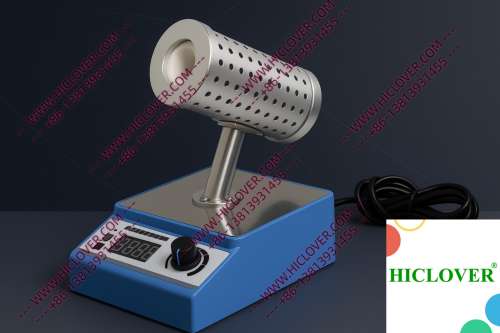
In today’s laboratory environment, the challenges of maintaining biosafety while ensuring effective sterilization cannot be underestimated. With the increasing complexity of biological work, the demand for sterilization equipment that guarantees rapid thermal sterilization without compromising safety has become essential. Traditional methods like alcohol lamps and Bunsen burners, while familiar, pose significant risks, especially in clean areas and with aerosol generation. In this context, innovative sterilization solutions like the Micro Incinerator and Infrared Inoculating Loop Sterilizer become invaluable tools for scientists and laboratory personnel.
Understanding the Technology Behind Infrared Inoculating Loop Sterilizers
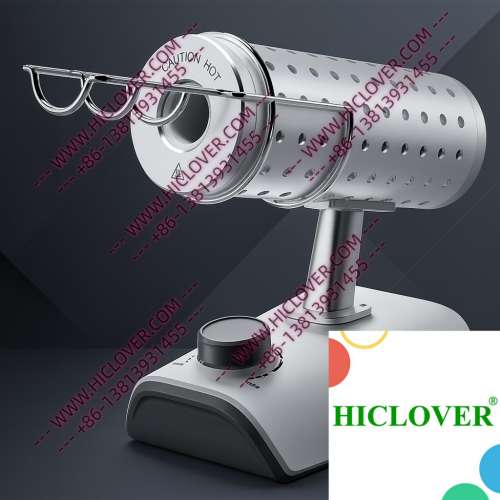
The Micro Incinerator operates on a simple yet effective principle of rapid thermal sterilization through infrared heat. Encased in a robust ceramic heating chamber, the units achieve high temperatures in a matter of seconds, allowing for efficient disinfection of inoculating loops and other laboratory instruments. Unlike flame-based systems, which can introduce contaminants and produce aerosols, these sterilizers ensure a clean, flame-free operation, making them safe for use in biosafety cabinets and other clean environments.
Infrared technology utilizes the electromagnetic spectrum’s infrared wavelengths to generate heat without direct contact, thus providing an effective means of contamination control. This technology not only enhances the safety of users but also significantly improves the workflow in high-demand laboratory settings.
Application Scenarios in Real Laboratories
1. Biosafety Cabinet Usage
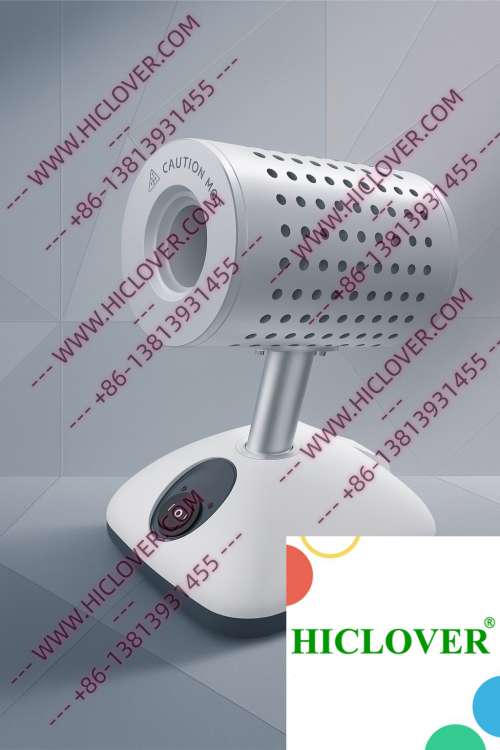
In BSL-2 and BSL-3 microbiology labs, maintaining a sterile environment is critical. The Micro Incinerator is increasingly being utilized within biosafety cabinets, where conventional flame sterilization methods could compromise the sterile airflow patterns and introduce harmful aerosols. With the Micro Incinerator, researchers can efficiently sterilize equipment without jeopardizing the integrity of their work environment.
2. Teaching Laboratories
In university settings, teaching labs for microbiology and clinical diagnostics are adopting Micro Incinerators as a safer alternative for student training. The immediacy of results provided by these infrared sterilizers enhances the student experience, allowing for seamless transitions between experiments. Furthermore, with robust safety measures in place, the hypersensitivity of new learners towards burns and accidents is significantly reduced.
Key Compliance and Environmental Standards
Adhering to biosafety regulations, including those set forth by the WHO and various national safety guidelines, is of utmost importance in laboratory settings. The Micro Incinerator stands out as a certified solution, meeting stringent laboratory sterilization standards. As labs evolve to create clean environments, especially in clinical or pharmaceutical research, the need for no-flame operations is becoming a priority to avoid contamination in clean-room settings.
Many laboratories are transitioning to non-flame sterilization options to meet environmental compliance. By integrating sterilization technologies like the Micro Incinerator, labs reduce their overall carbon footprint and minimize waste and hazardous materials.
Advantages Over Traditional Flame Sterilizers
A comparison between Micro Incinerators and traditional flame sterilizers reveals several crucial advantages:
| Micro Incinerator | Flame Sterilizers | |
|---|---|---|
| Safety | Flame-free operation mitigates fire hazards | Hazardous flame can lead to accidents |
| Efficiency | Rapid thermal sterilization within seconds | Longer pre-heating required |
| Aerosol Control | Produces no aerosols | Aerosols may contaminate the workspace |
| Usability | Easily used in clean-bench situations | Requires careful handling and technique |
FAQs
- What types of laboratory settings benefit from using a Micro Incinerator?
The Micro Incinerator is ideal for BSL-2 and BSL-3 labs, teaching environments, and field-testing setup. - How does the Micro Incinerator ensure safety during operation?
It eliminates the risks associated with flames, significantly reducing the chance of burns and fires. - Can the Micro Incinerator be used for different sterilization applications?
Yes, it is versatile for sterilizing inoculating loops, glass slides, and small lab tools. - What are the environmental benefits of using an infrared sterilizer?
It reduces the release of hazardous fumes and lessens the carbon footprint by minimizing the use of flammable materials. - How does the Micro Incinerator contribute to workflow improvement?
Its quick operation fosters faster experiment turnaround times, enhancing lab productivity.
Conclusion
As biosafety standards continue to evolve and the demands of laboratory workflows increase, the choice of sterilization equipment becomes critical. The efficiency, safety, and compliance offered by the Micro Incinerator / Infrared Inoculating Loop Sterilizer are compelling advantages over traditional flame-based options. For your laboratory’s sterilization needs, consider upgrading to this innovative technology, ensuring both superior sterilization efficacy and a safer work environment. Contact us today to learn more or to make a purchase!
Categories:
Tags: