
In the modern laboratory environment, biosafety challenges and sterilization workflow demands are becoming increasingly significant. From maintaining sterile workspace conditions to ensuring the safe disposal of hazardous materials, laboratories face tough choices in how to manage laboratory waste effectively. One innovative solution gaining momentum is the use of micro incinerators, particularly Micro Incinerator / Infrared Inoculating Loop Sterilizers, which are redefining contamination control procedures.
The Technical Principle of Micro Incineration
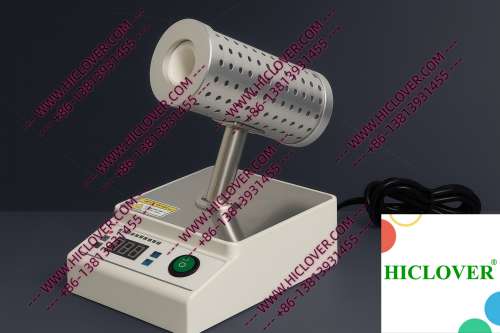
The micro incinerator employs a highly efficient and rapid thermal sterilization method using infrared heat. This technology features an enclosed ceramic tube that generates high temperatures in a safe, focused manner. Unlike traditional flame-based sterilizers, which can create unwanted aerosols and consume excess energy, the Micro Incinerator uses infrared radiation to achieve high-temperature disinfection without flame exposure. This significantly reduces risks associated with open flames in clean rooms and sensitive environments.
Applications in Real Laboratories
Micro Incinerators have become essential tools in a variety of laboratory settings, effectively addressing sterilization needs in different scenarios.
Biosafety Cabinets
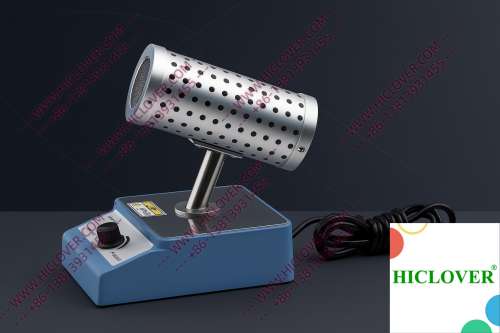
In a BSL-2 or BSL-3 microbiology lab, maintaining strict biosafety protocols is imperative. Micro Incinerators are commonly used within biosafety cabinets, allowing researchers to sterilize inoculating loops and other implements quickly without contaminating the enclosed environment. This rapid sterilization method not only enhances workflow efficiency but is also clean-bench-safe—eliminating aerosol generation and protecting the integrity of microbiological samples.
Field Testing Laboratories
In the field, where mobile or portable laboratory setups are required, Micro Incinerators provide a compact and efficient sterilization solution. Field testing personnel can rely on these devices for quick sterilization of tools after each use, decreasing the risk of cross-contamination during sample collection. With their ability to operate without an open flame, Micro Incinerators are also invaluable in outdoor settings where traditional flame sterilizers would pose safety hazards.
Compliance with Biosafety Standards
Meeting biosafety requirements is non-negotiable in laboratory operations. The World Health Organization (WHO) emphasizes strict adherence to lab sterilization standards. Micro Incinerators align with these guidelines by offering a sterile solution that doesn’t produce harmful by-products or flames, particularly important in controlled environments like cleanrooms.
The use of flame in clean areas is often restricted due to risks of contamination; thus, Micro Incinerators stand out as compliant solutions. Additionally, their design mitigates the risks related to biohazardous waste by allowing efficient waste reduction through combustion. This effectively addresses regulatory concerns surrounding waste disposal while also promoting sustainability through lower energy usage compared to traditional methods.
A Comparative Look: Micro Incinerator vs. Flame Sterilizers
| Feature | Micro Incinerator | Flame Sterilizers |
|---|---|---|
| Heat Source | Infrared | Open Flame |
| Risk of Contamination | Minimal | High (aerosol generation) |
| Energy Efficiency | High | Moderate |
| Operational Safety | Clean-bench-safe | Flame hazards |
FAQs About Micro Incinerators
- What is the primary advantage of using a Micro Incinerator compared to traditional flame sterilizers?
The Micro Incinerator offers rapid thermal sterilization while maintaining a contamination-free environment and minimizing fire hazards. - Can Micro Incinerators be used in field testing environments?
Yes, they are designed for portability, making them ideal for outdoor settings where traditional sterilization methods may pose safety challenges. - Are Micro Incinerators compliant with WHO biosafety standards?
Absolutely, they meet international biosafety guidelines by ensuring sterile handling without creating aerosol emissions. - How does the energy consumption of Micro Incinerators compare to flame sterilizers?
Micro Incinerators are significantly more energy-efficient, providing a sustainable option for laboratories. - What types of laboratories can benefit from using Micro Incinerators?
They are suitable for BSL-2 and BSL-3 labs, clinical diagnostics, university teaching labs, and mobile testing labs.
Conclusion: Embrace the Future of Laboratory Sterilization
Melbourne is at the forefront of revolutionizing laboratory waste management with innovative solutions like Micro Incinerators. By opting for this state-of-the-art sterilization equipment, laboratories can enhance their workflows, ensure compliance with stringent biosafety standards, and create a safer environment for both staff and sterile materials.
If you’re ready to upgrade your laboratory sterilization processes, contact us today to explore our high-quality Micro Incinerator options. Together, we can contribute to a cleaner, safer laboratory environment, pushing the boundaries of scientific research in Melbourne and beyond.
Categories:
Tags: