
Laboratories face an increasingly complicated landscape when it comes to biosafety and sterilization. With the desire to maintain sterility without compromising safety or workflow efficiency, lab managers often seek innovative solutions. One such solution that has risen to prominence is the Micro Incinerator, particularly the Infrared Inoculating Loop Sterilizer. In this article, we explore how this technology is transforming laboratory sterilization processes across various settings.
The Technical Principles Behind Micro Incinerators
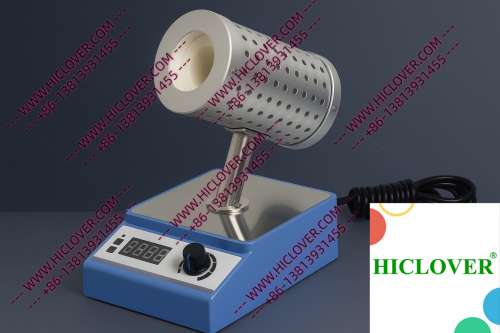
The Micro Incinerator utilizes advanced infrared heating technology to achieve rapid thermal sterilization. Unlike traditional flame sterilizers—such as alcohol lamps and Bunsen burners, which require open flames and produce aerosols—micro incinerators offer controlled heating through an enclosed ceramic heating chamber. This chamber provides a safe and efficient way to quickly eliminate contaminants on inoculating loops, needles, and other lab tools.
The infrared heat generated within the chamber not only minimizes the risk of cross-contamination, but also enhances operational safety, making it a perfect fit for clean benches and biosafety cabinets.
Applications of Micro Incinerators in Real Labs
1. University Teaching Labs
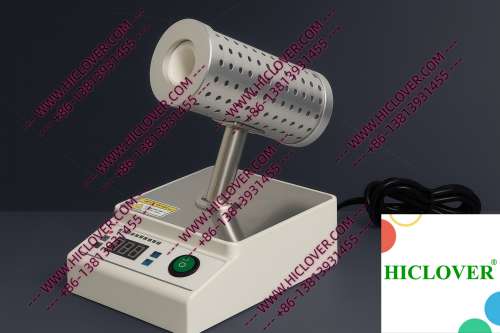
University microbiology departments often use micro incinerators to teach students proper aseptic techniques. Students benefit from the straightforward and efficient sterilization process, allowing them to focus on hands-on experimentation without the distractions and hazards associated with open flames. This results in a more productive learning environment while ensuring compliance with educational lab safety standards.
2. Field Testing Labs
Field testing labs present unique challenges, as sterile conditions must be maintained outside of traditional lab environments. The handheld design of some micro incinerators makes them ideal for mobile use, enabling researchers to obtain precise microbial samples in outdoor settings. Their plug-and-play functionality means that researchers can conduct field tests with confidence, minimizing the risk of contamination from unregulated exposure.
Biosafety Compliance and Environmental Considerations
Compliance with international biosafety standards is paramount. The World Health Organization (WHO) emphasizes the necessity of efficient sterilization techniques to prevent spillages and contamination. In BSL-2 and BSL-3 labs, where pathogens pose significant threats, micro incinerators fulfill rigorous sterilization standards without the use of flames.
- No open flames in clean rooms—reducing risks of contamination
- Aerosol-free handling—important for preventing airborne pathogens
- Rapid sterilization—ensuring that researchers can complete workflows efficiently
Moreover, regions such as the European Union are tightening laboratory regulations, making the evidence-based choice for flame-free sterilization technologies even more imperative. Institutions must prepare for next-generation lab operations that ensure both compliance and safety without sacrificing efficiency.
Micro Incinerator vs. Traditional Flame Sterilizers
| Feature | Micro Incinerator | Flame Sterilizers |
|---|---|---|
| Operation | Infrared heat, no flame | Open flame |
| Safety | Aerosol-free handling | Risk of aerosol generation |
| Time to Sterilize | Seconds | Varies, usually longer |
| Compliance | Meets BSL standards | Varies by setup |
| Environmental Impact | Less contamination | Potential burn risks |
Frequently Asked Questions
- What are the benefits of using a Micro Incinerator over traditional flame sterilizers?
Micro Incinerators offer rapid sterilization without the risks associated with open flames, making them safer and more efficient in labs. - Are Micro Incinerators suitable for field testing?
Yes, many designs are portable and specifically engineered for use in mobile labs, providing reliable sterilization in various environments. - What compliance standards do Micro Incinerators meet?
They meet WHO biosafety standards and are ideal for use in BSL-2 and BSL-3 laboratories where strict sterilization protocols are required.
Conclusion
As laboratory practices evolve, the integration of innovative sterilization technologies like the Micro Incinerator is becoming indispensable. It enhances biosafety, ensures compliance with stringent regulations, and streamlines workflows. For laboratories looking to elevate their sterilization practices and embrace the future of lab technology, investing in a Micro Incinerator is a pivotal step. Contact us today to explore how our advanced sterilization solutions can help propel your laboratory into the next generation of sterilization standards.
Categories:
Tags: