
Laboratory biosafety has become increasingly important in today’s research and clinical environments. As laboratories strive for higher standards of sterilization and contamination control, researchers and technicians face the pressing challenge of maintaining sterile conditions without compromising efficiency. Traditional flame sterilizers, such as Bunsen burners and alcohol lamps, have been widely used for sterilizing inoculating loops and other tools, but advancements in technology have led to the emergence of flame-free alternatives. One such innovation is the Micro Incinerator, also known as the Infrared Inoculating Loop Sterilizer, which promises to shape the future of laboratory sterilization.
Technical Principles of Infrared Heat Sterilization
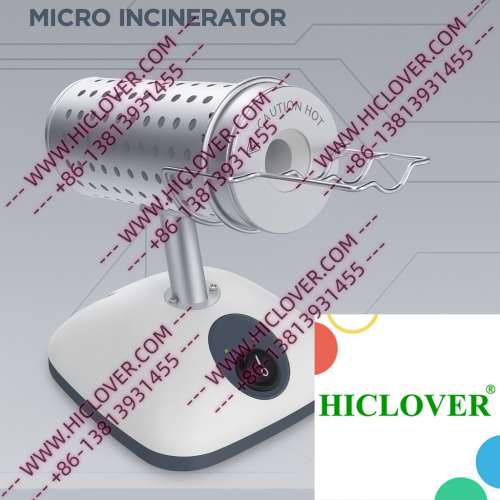
The Micro Incinerator utilizes advanced infrared heating technology to achieve rapid thermal sterilization. This innovative approach involves an enclosed ceramic tube that radiates infrared heat, providing a high-temperature environment that is perfect for the disinfection of laboratory tools. Unlike traditional flame sterilizers, which can produce hazardous aerosols and pose a risk in clean bench environments, the Micro Incinerator ensures safe and clean operation.
Here’s how it works:
- Infrared Heating: Infrared energy directly heats the microbial handling tools, resulting in rapid sterilization without the need for open flames.
- Enclosed Ceramic Tube: The design minimizes exposure and contamination, ensuring that sterilization occurs within the confines of a controlled environment.
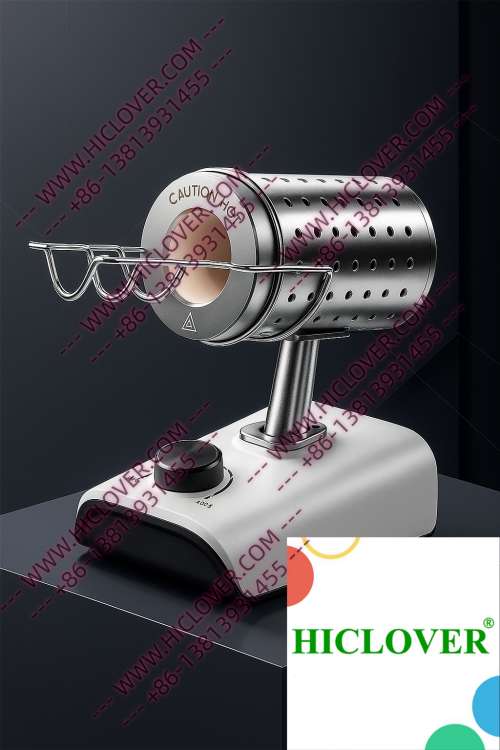
- Adjustable Temperature Settings: Users can set precise temperatures for different materials, enhancing flexibility depending on the sterilization needs.
Real-world Application Scenarios
The practical applications of the Micro Incinerator can be found in various laboratory environments, each benefiting from its unique features. Here are two prominent scenarios:
1. Biosafety Cabinets
In BSL-2 and BSL-3 microbiology labs, maintaining a sterile environment is critical to preventing contamination and ensuring safe handling of pathogens. The Micro Incinerator integrates seamlessly into biosafety cabinets, allowing lab personnel to sterilize inoculating loops without the risk of combustion or contamination from fumes. Users can perform glassware sterilization or inoculate culture media while remaining protected from biological hazards, ensuring compliance with WHO biosafety recommendations.
2. Field Testing and Mobile Labs
Field testing scenarios often lack the laboratory infrastructure but demand the same level of sterilization. In remote locations where access to traditional flame sterilizers is limited, the Micro Incinerator offers a portable, efficient, and safe alternative. Laboratory technicians can easily transport the unit and utilize it for rapid sterilization of equipment, ensuring accurate results in clinical diagnostics.
Compliance and Environmental Considerations
As laboratory sterilization standards evolve, compliance with regulatory criteria such as WHO biosafety guidelines has never been more important. Many facilities are shifting toward flame-free solutions in an effort to minimize risks associated with combustion. Utilizing a Micro Incinerator addresses these concerns, particularly for labs located in environments where no flame is permissible, such as clean rooms where particulate contamination is a critical issue.
“Our lab recently transitioned to using Micro Incinerators, and the difference has been transformative. Our workflow is safer, cleaner, and more efficient.”
– Lab Manager, University Research Facility
Micro Incinerator vs. Traditional Flame Sterilizers
| Feature | Micro Incinerator | Flame Sterilizers |
|---|---|---|
| Heating Method | Infrared | Flame |
| Contamination Risk | Minimal | High (aerosols) |
| Portability | High | Low |
| Temperature Control | Adjustable | Fixed |
| Safety in Clean Rooms | Yes | No |
Frequently Asked Questions
What is the Micro Incinerator and how does it differ from a Bunsen burner?
The Micro Incinerator is an infrared inoculating loop sterilizer that provides rapid thermal sterilization without the use of an open flame, minimizing the risk of contamination compared to traditional Bunsen burners.
Can the Micro Incinerator be used in clean rooms?
Yes, the Micro Incinerator is suitable for clean room environments as it produces no flame, thereby reducing the risk of particulate contamination.
How does the temperature control feature work?
The Micro Incinerator has adjustable settings that allow users to select the appropriate temperature for sterilizing different materials, ensuring effective disinfection for various applications.
Is it safe to use in BSL-2 laboratories?
Absolutely! The design and operational safety of the Micro Incinerator align well with the stringent biosafety standards required in BSL-2 laboratories.
How long does it take for the Micro Incinerator to sterilize tools?
Typically, the Micro Incinerator can achieve sterilization within seconds, providing rapid turnaround times for laboratory workflows.
Conclusion
As the demand for safer and more effective sterilization practices continues to rise, the Micro Incinerator is emerging as a vital tool for laboratories aiming to enhance their biosafety protocols. Its technological superiority over traditional flame sterilizers, combined with its versatility in application, makes it an ideal choice for modern laboratory environments. We encourage you to explore this innovative solution further and consider upgrading your sterilization equipment to the Micro Incinerator today.
Categories:
Tags: