
The quest for maximum biosafety and operational efficiency is a fundamental challenge in modern laboratories. Traditional flame sterilizers, such as alcohol lamps and Bunsen burners, have long been the go-to solutions for microbial inoculation and sterilization. However, their use poses various risks, including open flames, combustion byproducts, and careful handling requirements. As contamination control becomes increasingly crucial in sensitive environments—from BSL-2 and BSL-3 microbiology labs to clinical diagnostics—the need for safer and more effective alternatives has led to the rise of cutting-edge sterilization technology such as Micro Incinerators and Infrared Inoculating Loop Sterilizers.
Overview of Micro Incinerators
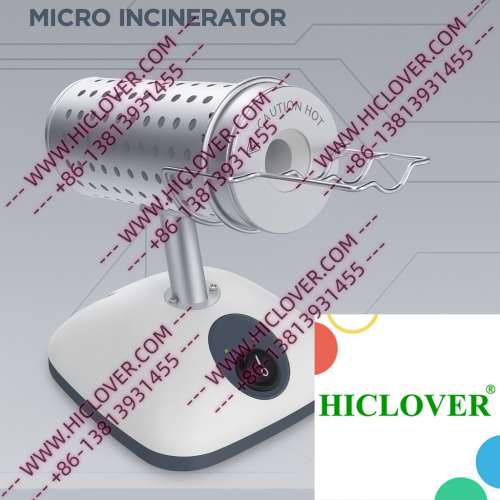
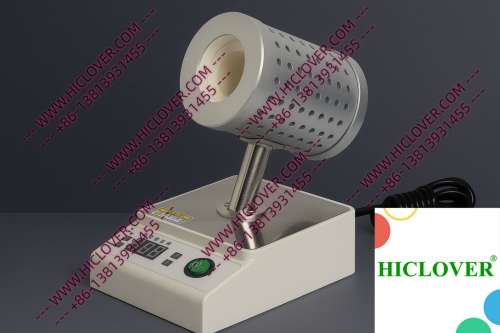
Micro Incinerators utilize infrared heat within an enclosed ceramic tube to achieve rapid thermal sterilization, creating a high-temperature environment that effectively disintegrates biological material. This method offers a remarkable advantage: it eliminates the risks associated with flames, providing a cleaner and safer working space, especially in clean bench setups and laboratories handling pathogenic microorganisms.
Key Features of Micro Incinerators
- Infrared Heating: Fast and efficient sterilization through infrared heat.
- Ceramic Heating Chamber: Ensures consistent temperature maintenance and durability.
- Easily Transportable: Compact design makes it ideal for field testing and mobile labs.
- Minimal Maintenance: Low upkeep compared to traditional flame sources.
- Environmentally Friendly: Eliminates the need for combustible materials.
Application Scenarios in Today’s Laboratories
Micro Incinerators are making significant impacts in a variety of laboratory environments. Here are two practical scenarios illustrating their application:
1. Biosafety Cabinet Operations
In BSL-2 microbiology laboratories, strict biosafety measures are paramount. Researchers often need to perform microbial inoculations without introducing contaminants. Micro Incinerators provide a clean, flame-free option that minimizes the risk of aerosol generation. For instance, while transferring bacterial cultures in a biosafety cabinet, an infrared inoculating loop sterilizer can be used effectively, ensuring that loops and needles are sterilized promptly, allowing for safe and efficient work within sterile environments.
2. University Teaching Labs
In educational settings, the need to teach proper aseptic techniques is critical. Micro Incinerators serve as excellent teaching tools, providing students with the ability to observe rapid thermal sterilization in real-time, without the dangers of flames. Instructors can demonstrate contaminant control in microbial techniques safely, improving the laboratory experience. This not only complies with WHO biosafety standards but also prepares students for future careers in laboratories.
Compliance with Laboratory Sterilization Standards
As regulations in laboratory practices tighten, compliance with established biosafety and sterilization standards has become essential. The World Health Organization (WHO) emphasizes the importance of effective sterilization techniques to prevent laboratory-acquired infections. For example, in clean rooms and high-containment laboratories, the use of open flames is often strictly prohibited due to the risk of creating contaminants or fire hazards.
Micro Incinerators meet strict laboratory sterilization standards by ensuring a sterile environment without the need for flames. This makes them ideal for environments that require stringent adherence to safety protocols, such as BSL-3 laboratory setups.
“Micro Incinerators provide a non-flame solution that aligns perfectly with the most rigorous biosafety protocols, offering safety and efficiency in laboratory environments.”
Comparison: Micro Incinerator vs. Flame Burners
| Feature | Micro Incinerator | Flame Burners |
|---|---|---|
| Safety | No open flames; minimal fire hazard | Risk of burns and contamination from open flames |
| Speed | Rapid thermal sterilization | Dependent on flame adjustment; slower heating times |
| Maintenance | Low; minimal parts to maintain | Higher; requires fuel and regular cleaning |
| Environmental Impact | Eco-friendly, no combustion products | Releases combustion byproducts |
| Portability | Compact, suitable for field use | Less portable; fuel-dependent |
Frequently Asked Questions (FAQs)
1. How does the Micro Incinerator ensure effective sterilization?
The infrared heating element provides consistent and high temperatures that rapidly sterilize inoculating loops or needles within seconds, safely disintegrating any biological material.
2. Are Micro Incinerators suitable for field testing labs?
Yes, their compact design and lack of flammable materials make them ideal for mobile laboratory setups or field tests, where safety and portability are priorities.
3. What are the benefits of using an infrared sterilizer over traditional methods?
In addition to safety, infrared sterilizers are faster, require less maintenance, produce no combustion byproducts, and align more closely with modern environmental compliance regulations.
4. Are there specific regulations that guide the use of sterilizers in laboratories?
Yes, compliance with WHO biosafety regulations and local laboratory standards is critical for ensuring safe operations. Micro Incinerators help fulfill these guidelines effectively.
5. Can Micro Incinerators be used in university teaching labs?
Absolutely! They offer a safe and educational way to teach sterilization techniques while minimizing risks associated with traditional flame sterilization methods.
Conclusion
As lab environments evolve, the need for innovative and safe sterilization methods has never been more pressing. Micro Incinerators and Infrared Inoculating Loop Sterilizers offer vital solutions to meet today’s laboratory challenges while ensuring compliance with biosafety standards. For those looking to enhance laboratory practice with cutting-edge sterilization technology, consider investing in Micro Incinerators—your labs will thank you for it.
For personalized advice or to explore purchasing options, please don’t hesitate to reach out to us today!
Categories:
Tags: