
In the ever-evolving landscape of laboratory practices, the challenges of biosafety and effective sterilization are paramount. Laboratory personnel must consistently confront the risks of contamination, particularly in sensitive environments such as BSL-2 and BSL-3 labs. As researchers strive to ensure the highest standards of safety and efficiency, the traditional use of flame-based sterilizers, like Bunsen burners, raises serious concerns regarding aerosol generation and the stability of clean environments. Enter the flameless lab sterilizers, specifically the Micro Incinerator or Infrared Inoculating Loop Sterilizer, as a superior solution.
Technical Principles of Flameless Sterilization
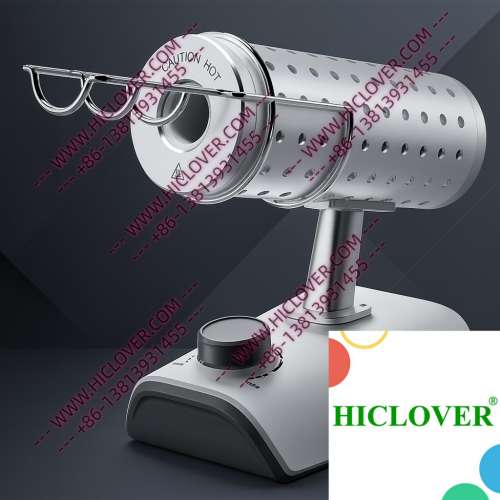
The Micro Incinerator utilizes infrared heat for rapid thermal sterilization, ensuring that inoculating loops and other lab equipment are effectively purified without the drawbacks associated with flame. This innovative device features an enclosed ceramic heating chamber, which can reach high temperatures quickly and maintain them consistently. The design minimizes heat loss, which not only enhances energy efficiency but also allows for controlled sterilization cycles.
Critical to its function is the way infrared technology operates. Unlike traditional methods that engulf tools in open flames, this sterilizer delivers direct thermal energy to the equipment, resulting in a sterilization process that is both quick and effective. Contamination control is further achieved, as the enclosed system significantly reduces the risk of aerosols — a crucial consideration in labs where even the smallest particles can lead to contamination.
Applications in Real Laboratories
When it comes to real-world applications, the Micro Incinerator has proven indispensable in various laboratory settings:
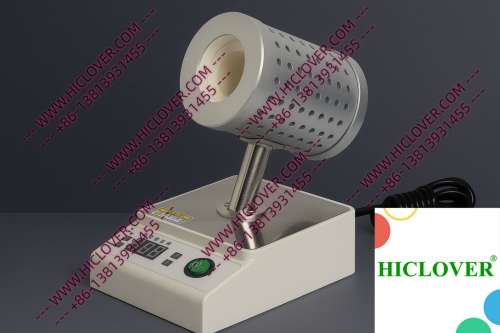
- Biosafety Cabinets: In BSL-2 and BSL-3 environments that require high levels of contamination control, the flameless sterilizer offers a clean, safe, and efficient method for sterilizing loops and pipettes without interfering with the biosafety cabinet’s ventilation system.
- Field Testing Labs: Field testing often involves portable setups where traditional flames are impractical or unsafe. The Micro Incinerator’s compact design allows for easy transport and use in various environments, ensuring that sterilization procedures can be performed effectively on-site.
Moreover, its capacity to provide aerosol-free handling makes it an excellent teaching tool in university labs, where students learn the principles of microbiology while adhering to safety protocols. By demonstrating safe sterilization practices, it also serves to instill a strong culture of biosafety among incoming professionals.
Biosafety and Compliance Standards
The importance of maintaining compliance with biosafety standards cannot be overstated. Institutions must adhere to guidelines set by organizations such as the World Health Organization (WHO) and relevant local entities. The Micro Incinerator supports compliance by:
- Reducing risks associated with open flames in clean facilities, thus maintaining environmental integrity.
- Meeting the stringent sterilization requirements outlined in laboratory standards, ensuring that tools are properly disinfected between uses.
- Facilitating safer operational procedures in settings that may operate under high-stress, time-sensitive conditions.
Furthermore, the absence of flame minimizes the risk of accidents and enhances overall laboratory safety, which translates into a more efficient workflow for lab personnel.
Comparative Analysis: Micro Incinerator vs. Flame Burners
| Feature | Micro Incinerator | Flame Burners |
|---|---|---|
| Safety | No open flame, reduced risk of burns and contamination | Open flame presents significant fire hazards |
| Contamination Control | Aerosol-free handling, sealed operation | Risk of aerosols and contamination during operation |
| Cost Efficiency | Lower energy consumption with rapid heating | Flame requires continuous fuel supply, leading to higher costs |
| Versatility | Suitable for various laboratory environments | Limited to basic sterilization needs |
| Ease of Use | Simple technology with minimal training | Requires careful handling and management of flame |
Frequently Asked Questions
1. How does the Micro Incinerator ensure effective sterilization?
It uses infrared heat to quickly and thoroughly sterilize tools, effectively eliminating microorganisms without the risks associated with flame.
2. Can the Micro Incinerator be used in field settings?
Yes, its compact, flameless design allows easy transport and safe use in diverse field conditions.
3. What are the primary benefits of switching from flame sterilizers to the Micro Incinerator?
The Micro Incinerator offers enhanced safety, reduced contamination risks, cost efficiency, and greater versatility in lab applications.
4. Is the Micro Incinerator compliant with biosafety standards?
Yes, it adheres to WHO guidelines and supports laboratory standards by ensuring high levels of contamination control.
5. How do I maintain my Micro Incinerator?
Regular inspection of the ceramic chamber and electrical components will ensure optimal performance and longevity of the device.
Conclusion
The advancement of sterilization technologies, exemplified by the Micro Incinerator, marks a significant improvement in laboratory safety, efficiency, and compliance with stringent biosafety standards. By transitioning from traditional flame sterilizers to flameless options, laboratories can enhance their operations while protecting both personnel and research integrity. For more information on how the Micro Incinerator can benefit your laboratory’s sterilization workflow, do not hesitate to reach out to us or explore purchasing options today!
Categories:
Tags: