
In modern laboratories, maintaining biosafety is paramount. One of the critical components of safe laboratory practices is sterilization, especially in environments such as BSL-2 or BSL-3 microbiology labs, where the risk of contamination can lead to severe health consequences. As a result, traditional flame sterilizers like alcohol lamps and Bunsen burners have drawn scrutiny due to their inherent risks, including open flames, which can introduce additional hazards in sensitive environments.
Laboratory Sterilization Challenges and Needs
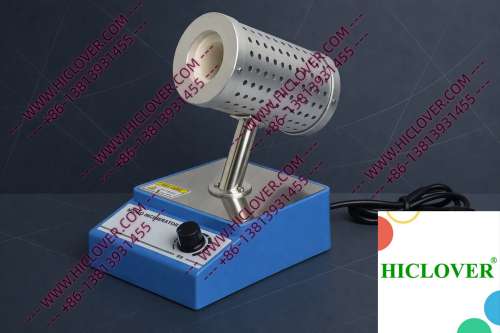
Laboratories worldwide face various challenges in sterilization workflow. The need for rapid thermal sterilization methods that minimize aerosol generation is on the rise, particularly within teaching labs and clinical diagnostics. Not only must laboratories reduce the risk of contamination, but they must also streamline workflows to ensure efficient operations without compromising safety. This is where the Micro Incinerator or Infrared Inoculating Loop Sterilizer comes into play, offering a robust solution for effective sterilization.
Understanding the Micro Incinerator: Technical Explanation
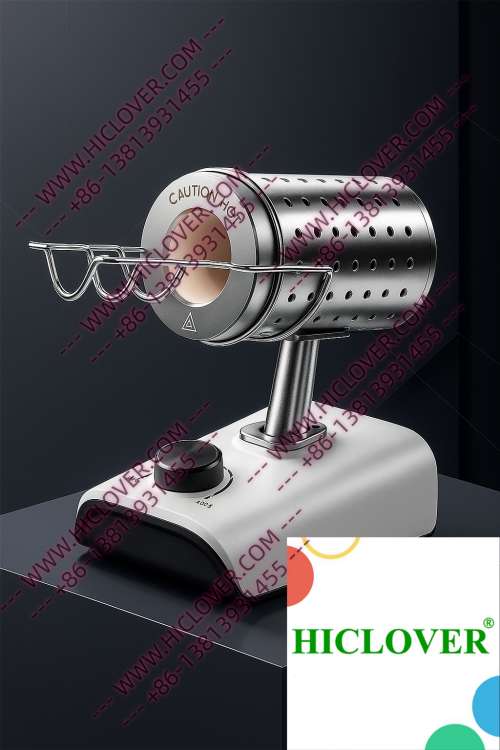
The Micro Incinerator operates using infrared heating technology, providing controlled high temperatures without the need for open flames. Its design typically features a ceramic heating chamber that efficiently focuses intense heat directly on inoculating loops and other sterilization instruments. In contrast to traditional burners, it minimizes aerosol production during sterilization processes.
- Infrared Technology: The device generates infrared heat, ensuring quick and efficient disinfection.
- Enclosed Ceramic Tube: The insulated design enhances safety and minimizes heat loss.
- Aerosol-Free Handling: The flameless operation significantly reduces the risk of aerosol contamination.
Application Scenarios in Real Labs
Micro Incinerators show vast potential across various laboratory settings. Here are two notable application scenarios:
1. Biosafety Cabinets
In BSL-2 and BSL-3 labs, where experiments are conducted with potentially infectious materials, flame sterilizers pose unnecessary risks. A Micro Incinerator safely fits inside a biosafety cabinet, allowing sterilization within the unit’s sterile environment. This eliminates the risk of contamination that traditional flame sources may introduce—particularly critical while working with pathogen cultures.
2. University Teaching Labs
In academic settings, safety and efficiency remain top priorities. During practical sessions, students can utilize Micro Incinerators for quick sterilization of equipment. With an easy interface and immediate results, students can focus their attention on the experiments without the distraction and hazard of working around open flames.
Compliance and Safety Standards
Adhering to established biosafety standards is non-negotiable in laboratory environments. Regulatory bodies such as the World Health Organization (WHO) outline guidelines that mandate measures for effective sterilization. Flame sterilizers can fall short in clean rooms, where the risk of particle generation must be minimized. Flameless sterilizers like the Micro Incinerator not only meet but exceed safety standards by eliminating open flames, thus ensuring a contamination-free environment compliant with international lab sterilization standards.
“In every laboratory, maintaining a safe working environment is as crucial as the experiments being conducted. Utilizing flameless technology in sterilization promotes both efficiency and safety.”
Comparison: Micro Incinerator vs. Flame Burners
| Feature | Micro Incinerator | Flame Burners |
|---|---|---|
| Sterilization Speed | Rapid thermal sterilization | Variable; dependent on flame control |
| Aerosol Production | Minimal | High risk due to open flames |
| Ease of Use | User-friendly, no special training required | Requires training and safety measures |
| Risk Level | Low | High due to fire hazards |
FAQs About Micro Incinerators
What type of materials can be sterilized using a Micro Incinerator?
The Micro Incinerator is primarily designed for sterilizing inoculating loops, needles, and other small laboratory tools.
How do Micro Incinerators contribute to laboratory safety?
By eliminating open flames and reducing aerosol generation, Micro Incinerators significantly lower the risk of contamination and enhance overall lab safety.
Are Micro Incinerators compliant with international sterilization standards?
Yes, they are designed to comply with WHO biosafety guidelines and other relevant international sterilization standards.
How does a Micro Incinerator improve lab workflow efficiency?
The quick sterilization process allows researchers and students to focus on experiments rather than spending excessive time on sterilizing equipment.
Can Micro Incinerators be used in field testing labs?
Absolutely! Their compact design and flameless operation make them ideal for mobile or field testing environments.
Conclusion: The Future of Laboratory Sterilization
As laboratory practices evolve, the need for safer, more efficient sterilization methods has never been more pressing. The Micro Incinerator exemplifies a technological advancement that not only meets current laboratory requirements but also paves the way for future needs. By investing in flameless sterilization technology, laboratories can drastically reduce contamination risks, comply with stringent biosafety regulations, and optimize workflows.
If your lab is ready to enhance its sterilization practices, contact us today to explore our high-quality Micro Incinerators and usher in a new era of lab safety and efficiency.
Categories:
Tags: