
Laboratory environments necessitate strict adherence to biosafety protocols, especially when it comes to sterilization procedures. Contamination control is vital, whether in BSL-2 or BSL-3 microbiology labs or even in university teaching settings. Traditional methods, such as flame sterilizers like Bunsen burners or alcohol lamps, have significant limitations. However, the advent of flameless lab sterilizers, particularly the Micro Incinerator or Infrared Inoculating Loop Sterilizer, offers a superior alternative. In this article, we explore the technical principles behind these innovative devices, their applications in various laboratories, and compliance with global biosafety standards.
Understanding the Technology Behind Flameless Sterilizers
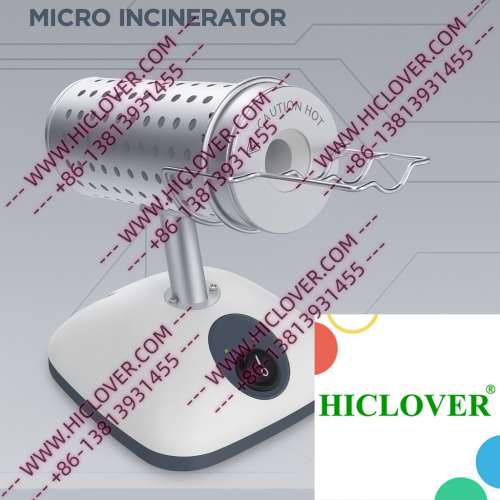
The Micro Incinerator operates on the principle of rapid thermal sterilization using infrared heat. The heating element is enclosed within a ceramic tube, generating high temperatures that eliminate microbial life swiftly and effectively. This method not only ensures thorough disinfection but also encompasses aerosol-free handling, making it clean-bench-safe, suitable for sensitive environments where contamination could compromise results.
- Infrared Heating: Uses precise infrared radiation to achieve rapid heating.
- Ceramic Heating Chamber: Enclosed design prevents the escape of harmful pollutants.
- Portability: Compact and lightweight, making it ideal for field applications.
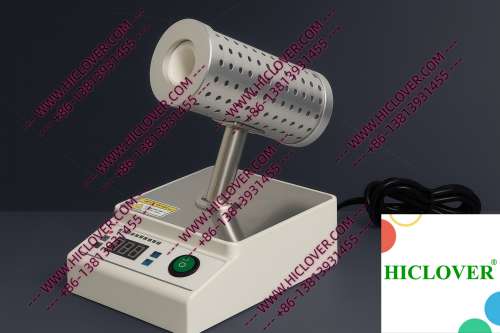
In stark contrast to traditional flame-based sterilizers, the Micro Incinerator eliminates the risks associated with open flames, providing a safer option for laboratory personnel. It also improves workflow efficiency, allowing researchers to focus on their experiments rather than worry about fire hazards or burning accessories.
Application Scenarios in Real Laboratories
1. **Biosafety Cabinets**: In controlled environments like biosafety cabinets, the Micro Incinerator serves as an efficient tool for sterilizing inoculating loops and other laboratory tools. Its quick turnaround time allows for uninterrupted workflow, ensuring that researchers maintain optimal productivity while adhering to stringent safety protocols.
2. **Field Testing Labs**: In mobile laboratory scenarios often seen in clinical diagnosis or public health initiatives, portability is crucial. The Infrared Inoculating Loop Sterilizer is designed for easy transport, enabling rapid sterilization at various field locations. This feature is invaluable in remote areas where traditional sterilization methods may not be feasible.
3. **Teaching Labs**: Academic institutions benefit greatly from incorporating flameless sterilization technology in their teaching labs. The absence of flames directly enhances safety, particularly for novice laboratory students still gaining practical skills. The device’s user-friendly interface makes it accessible for learners, allowing them to grasp important biosafety concepts.
Complying with Biosafety Standards
Compliance with international biosafety standards is paramount in all laboratory operations. Organizations such as the World Health Organization (WHO) emphasize the need for effective sterilization methods that minimize risks. The Micro Incinerator meets these requirements by providing a safe and efficient option for sterilization without the associated dangers of open flames. Additionally, in cleanroom operations, where any flame source is a hazard, flameless sterilizers eliminate combustion-related concerns, making them an ideal choice.
| Feature | Micro Incinerator | Flame Burners |
|---|---|---|
| Heating Method | Infrared Heat | Open Flame |
| Safety | High – No open flames | Low – Fire hazard |
| Efficiency | Rapid Thermal Sterilization | Variable |
| Portability | High | Medium |
| Contamination Control | Aerosol-free handling | Possible aerosol generation |
Frequently Asked Questions (FAQs)
- What are the main advantages of using a Micro Incinerator over traditional flame sterilizers?
The Micro Incinerator offers enhanced safety through its flameless operation, quick sterilization times, and significantly reduced risk of contamination.
- Can the Infrared Inoculating Loop Sterilizer be used in a BSL-3 laboratory?
Yes, the Micro Incinerator is suitable for use in BSL-3 laboratories, adhering to strict biosafety standards while allowing effective sterilization.
- How does the cleaning process compare to traditional methods?
Cleaning and maintenance for the Micro Incinerator are straightforward, reducing downtime compared to traditional flame-based methods that require more complex handling procedures.
- Is the Micro Incinerator energy-efficient?
Yes, the device is designed to be energy-efficient, requiring less power to achieve optimal sterilization compared to other methods.
- What should be considered when using flameless sterilizers in field testing?
Portability, ease of use, and the ability to operate without the risk of fire are critical factors to consider for field applications.
Conclusion
Flameless lab sterilizers, particularly the Micro Incinerator and Infrared Inoculating Loop Sterilizer, are revolutionizing laboratory sterilization practices. They address critical biosafety challenges by offering a safe, efficient, and compliant method for managing contamination risks. As laboratories continue to evolve, integrating these innovative tools can enhance safety and workflow, providing researchers and educators alike with dependable solutions for cleanliness. Consider incorporating the Micro Incinerator into your sterilization protocol today for a streamlined and secure laboratory environment.
For further inquiries, collaboration opportunities, or purchase information regarding the Micro Incinerator, don’t hesitate to contact us.
Categories:
Tags: