
The ever-evolving landscape of biosafety in laboratories presents a series of challenges that require effective sterilization methods. In both clinical diagnostics and microbiology labs, the contamination of sample materials can have serious implications for research and patient care. Traditional flame sterilization using alcohol lamps and Bunsen burners poses a risk not only due to potential flammability but also due to limited control over temperature and exposure, which may compromise sterility. This has led to the adoption of more sophisticated and safer solutions in laboratory sterilization equipment.
Understanding Flameless Sterilization Principles
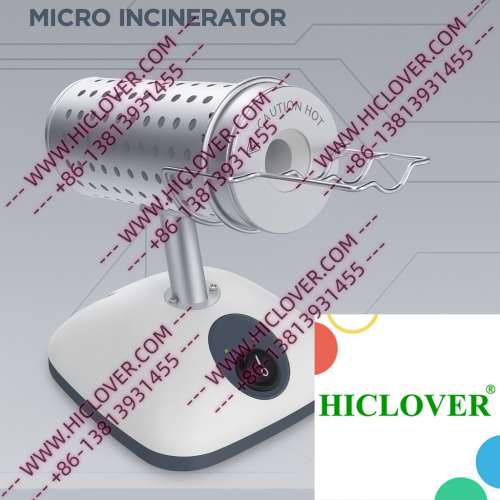
Among the innovative technologies is the Micro Incinerator, also known as an Infrared Inoculating Loop Sterilizer. This device leverages rapid thermal sterilization through an enclosed ceramic tube that provides localized heating without the use of an open flame. Operating on a principle of infrared high-temperature disinfection, this method rapidly heats the inoculating loop or other small instruments by using conduction and radiation, ensuring complete sterilization without the risk of aerosolization that often accompanies flame heating.
Design and Configuration
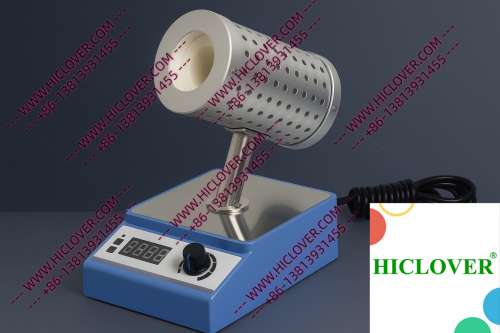
The Micro Incinerator typically features a compact and user-friendly design that fits seamlessly into various laboratory settings. The enclosed ceramic heating chamber can reach operational temperatures within seconds, significantly reducing downtime during critical laboratory procedures. This not only enhances workflow efficiency but also ensures that users remain safe from potential hazards associated with flames and flammable materials. The absence of an open flame makes it an ideal choice for cleanrooms and BSL-2 or BSL-3 environments where sterility and safety are paramount.
Application Scenarios in Real Labs
- Biosafety Cabinet Use: In many microbiology laboratories, a biosafety cabinet is a crucial area for handling pathogens safely. With the Micro Incinerator, researchers can sterilize their inoculating loops immediately after use without the risk of flaming aerosols affecting other samples. This process allows for consistent results while minimizing the risk of cross-contamination.
- Field Testing Environments: Mobile labs conducting environmental assessments often operate in diverse and uncontrolled settings. The portability and simplicity of the Micro Incinerator make it essential for field scientists who require immediate sterilization of tools without carrying bulky, flammable equipment. This ensures the integrity of soil and water samples collected in varied locales.
Compliance and Environmental Considerations
Laboratory sterilization practices must align with stringent guidelines established by organizations such as the World Health Organization (WHO). These guidelines especially emphasize safe handling practices that minimize exposure risks during any microbial handling. Moreover, traditional flame sterilizers pose challenges in cleanrooms where even minute particles can lead to contamination. The use of a flameless device like the Micro Incinerator reduces these hazards, ensuring compliance with laboratory sterilization standards.
Furthermore, the Micro Incinerator aligns with environmental safety protocols by minimizing the production of hazardous waste. This advantage resonates particularly in regions that have stringent regulations surrounding laboratory practices, such as the European Union and the United States, where laboratory practices are closely monitored for environmental impact.
Comparison: Micro Incinerator vs. Flame Burners
| Features | Micro Incinerator | Flame Burners |
|---|---|---|
| Operational Safety | No open flame (safer) | High risk of fire |
| Ease of Use | One-touch operation | Requires skill to maintain flame |
| Temperature Control | Rapid, consistent heating | Variable heating with unpredictable results |
| Environmental Impact | Minimal waste | Potential for hazardous emissions |
FAQs About Flameless Loop Sterilization
- How quickly does the Micro Incinerator heat up? The Micro Incinerator reaches sterilization temperatures within seconds, greatly enhancing workflow efficiency.
- Is it safe to use in BSL-2 labs? Yes, the flameless design reduces the risk of aerosol generation, making it ideal for use in BSL-2 and BSL-3 laboratories.
- Can the device be used for different tools besides inoculating loops? Yes, it is versatile enough to sterilize various small laboratory tools.
- What are the maintenance requirements for the Micro Incinerator? Minimal maintenance is required; regularly check the heating element and ceramic tube for cleanliness and wear.
- Does using the Micro Incinerator reduce contamination risks? Absolutely, its enclosed design ensures that no airborne contaminants come into contact with sterilizing tools.
Conclusion
In summary, the integration of flameless loop sterilization technologies, particularly the Micro Incinerator, marks a significant advancement in laboratory safety and efficiency. With superior operational safety, increased sterilization control, and compliance with global biosafety standards, this device emerges as a preferred option for laboratories committed to excellence. For labs aiming to enhance their sterilization processes and maintain the highest levels of cleanliness, the Micro Incinerator presents an ideal solution. Reach out to us for a consultation to explore how this cutting-edge technology can optimize your lab’s practices!
Categories:
Tags: