
In a world increasingly focused on laboratory biosafety and contamination control, ensuring robust sterilization processes is paramount. Laboratory professionals face significant challenges in choosing effective sterilization equipment that aligns with workflow demands and safety protocols. Traditional flame sterilizers, including alcohol lamps and Bunsen burners, while widely used, can pose risks such as aerosol contamination and environmental hazards. Enter the flameless loop sterilizer heaters, particularly the Micro Incinerator or Infrared Inoculating Loop Sterilizer, which offer a revolutionary approach to laboratory sterilization.
Understanding the Technical Principles
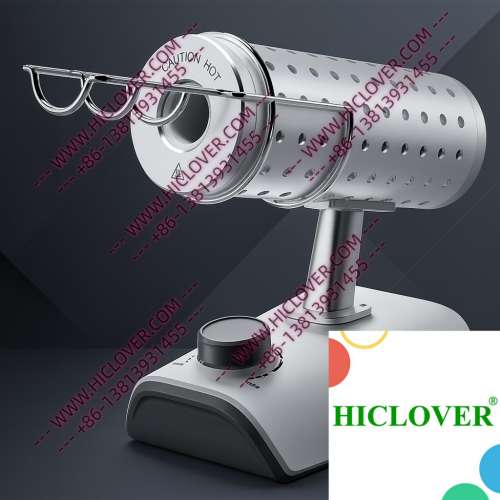
The Micro Incinerator operates on the fundamental principle of infrared heat generated within an enclosed ceramic heating chamber. This sophisticated technology allows for rapid thermal sterilization, achieving high temperatures necessary for effective disinfection while minimizing the risks associated with open flames. Instead of relying on a flame that can introduce contaminants or create aerosols, the infrared rays provide a clean and efficient means of sterilization.
Moreover, the enclosed design of these sterilizers means they can operate safely within a variety of laboratory settings, including BSL-2 and BSL-3 microbiology labs. Their compact size allows for use in various environments, contributing to the efficient workflow of laboratories concerned with strict biosafety standards.
Applications of Flameless Loop Sterilizer Heaters
The versatility of flameless loop sterilizer heaters makes them ideal for several laboratory applications, including:
Biosafety Cabinets
In the realm of modern biosafety cabinets, the need for an effective sterilization process is crucial. Using a Micro Incinerator for loop sterilization allows laboratory personnel to work safely while mitigating the risks of contamination. The flameless design ensures that no open flame interrupts the sterile environment, which is vital for maintaining the integrity of sensitive biological samples.
Field Testing Laboratories
Mobile laboratories conducting field tests require reliable sterilization equipment to ensure that samples collected from the environment do not become contaminated. The compact and portable nature of infrared inoculating loop sterilizers enables rapid sterilization between sample transfers, ensuring accurate results while minimizing cross-contamination risks in challenging outdoor conditions.
- Teaching Labs: In educational settings, faculty can utilize flameless loop sterilizers to demonstrate sterilization techniques safely, fostering a culture of biosafety awareness among students.
- Clinical Diagnostics: In hospital laboratories, these flameless loop sterilizers streamline the workflow while adhering to stringent sterilization protocols, essential for maintaining patient safety.
Biosafety & Compliance Standards
Operating under WHO biosafety standards and compliance requirements for laboratory sterilization is critical to minimizing risks in laboratory settings. Conventional flame-based sterilizers, less suitable in cleanrooms and sensitive environments, can introduce variables that compromise sterilization efficacy. Flameless loop sterilizers align with established lab sterilization standards, offering an aerosol-free handling process that eliminates exposure to potentially hazardous elements.
Compliance with laboratory safety regulations, such as those detailed by the Centers for Disease Control and Prevention (CDC) and other regional authorities worldwide, requires laboratories to adopt equipment that not only meets sterilization needs but does so without compromising safety or sterility. Notably, utilizing infrared sterilizers negates the risks inherent in utilizing open flames, such as burns, explosions, or aerosol formation.
Advantages Over Traditional Flame Sterilizers
Transitioning to a flameless loop sterilizer presents numerous advantages over traditional flame-based systems:
- No risk of accidental fire or burns.
- Aerosol-free handling, reducing contamination risks.
- Compact and portable, suitable for various laboratory settings.
- Faster sterilization times, enhancing laboratory efficiency.
- Increased safety for staff and samples, particularly within BSL-2 and BSL-3 labs.
Comparison: Micro Incinerator vs. Flame Burners
| Feature | Micro Incinerator | Flame Burners |
|---|---|---|
| Operational Safety | High (flame-free) | Moderate (risk of burns) |
| Contamination Control | Aerosol-free | Potential for aerosol formation |
| Efficiency | Rapid sterilization | Varies |
| Portability | Very high | Low |
| Operational Environment | Varied, including cleanrooms | Not suitable for clean environments |
FAQs About Flameless Loop Sterilizer Heaters
1. What is a Micro Incinerator?
A Micro Incinerator is a flameless sterilizing device that utilizes infrared heat within a ceramic chamber, providing rapid thermal sterilization for microbiological loops, needles, and other laboratory instruments.
2. How does infrared sterilization work?
Infrared sterilization works by emitting high-temperature infrared radiation, rapidly heating the surface of instruments to achieve effective disinfection while avoiding the risks associated with open flames.
3. Can I use a Micro Incinerator in a BSL-2 lab?
Yes, the Micro Incinerator is designed for use in BSL-2 and BSL-3 labs, as it meets safety and effectiveness standards required for high-containment environments.
4. Are there any compliance regulations I should be aware of?
Yes, it is essential to follow WHO biosafety standards and local laboratory compliance regulations to ensure safety and effective sterilization when using equipment like flameless loop sterilizers.
5. How should I clean and maintain my Micro Incinerator?
Regularly clean the ceramic heating chamber with appropriate non-corrosive materials and follow the manufacturer’s guidelines to ensure optimal performance and longevity.
Conclusion
As laboratory environments become increasingly stringent regarding biosafety, the shift to flameless loop sterilizer heaters, such as the Micro Incinerator, is not just advantageous—it is imperative. By embracing this technology, laboratories can streamline their sterilization workflow, enhance safety, and ensure compliance with international biosafety standards. Contact us today to explore how you can incorporate state-of-the-art sterilization solutions into your facility, elevating your laboratory’s safety and efficiency.
Categories:
Tags: