
Laboratories, particularly those operating at BSL-2 and BSL-3 levels, face critical challenges in ensuring biosafety while maintaining workflow efficiency. Traditional flame sterilizers like alcohol lamps and Bunsen burners pose risks including contamination and aerosol generation that can compromise both safety and integrity in sterile environments. As laboratory workflows evolve, so do the requirements for effective sterilization methods, and Flameless Sterilizer Heaters, such as the Micro Incinerator or Infrared Inoculating Loop Sterilizer, emerge as cutting-edge solutions to meet these needs.
Technical Principle of Operation
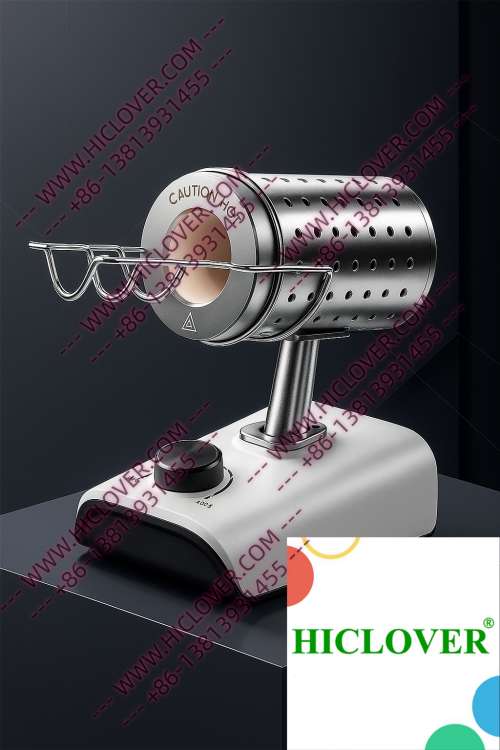
The Micro Incinerator employs an innovative approach to sterilization that leverages infrared heat technology. Unlike traditional flame sterilizers, which can introduce an uncontrolled combustion source, the Micro Incinerator features a ceramic heating chamber that generates consistent, high-temperature disinfection. The ceramic tube creates a highly efficient enclosed space that rapidly achieves the temperatures necessary for effective sterilization, making it a clean-bench-safe option that minimizes contamination risks.
Application Scenarios in Real Labs
1. Biosafety Cabinet Sterilization
In busy microbiology laboratories, especially those involving clinical diagnostics and research, maintaining a contamination-free environment is paramount. When using the Micro Incinerator in a biosafety cabinet, researchers can sterilize inoculating loops efficiently without the risk of aerosolization or open flames. This enhances the safety of lab personnel and ensures that sterile techniques are upheld, allowing for more reliable experimental results.
2. Field Testing and Teaching Labs
Field testing scenarios, such as environmental microbiology studies, demand portable yet effective sterilization solutions. The compact design of the Micro Incinerator allows for safe use in mobile labs without the need for cumbersome gas setups or open flames. Furthermore, university teaching labs benefit from this technology as students can learn sterile techniques with a device that reflects industry standards, preparing them for future roles in bioscientific research.
Compliance and Environmental Considerations
Adhering to biosafety standards is crucial for laboratory environments. The World Health Organization (WHO) and various national organizations have established guidelines that advocate for the use of flameless sterilization in clean rooms and biosafety cabinets. The absence of open flames in these environments significantly reduces the risk of fire hazards and improves air quality control, aligning with lab sterilization standards that prioritize safety, efficiency, and environmental responsibility.
Comparison: Micro Incinerator vs. Traditional Flame Burners
| Feature | Micro Incinerator | Traditional Flame Sterilizer |
|---|---|---|
| Heating Method | Infrared heat, enclosed ceramic tube | Open flame (alcohol lamp, Bunsen burner) |
| Contamination Control | Minimal aerosol generation | Higher risk of aerosol and contamination |
| Heating Speed | Rapid thermal sterilization | Variable, dependent on flame size |
| Safety | Flame-free operation | Fire hazard risk |
| Application Versatility | Clean-bench-safe; suitable for varied settings | Restricted to specific lab environments |
FAQs
- What is a Micro Incinerator used for?
– A Micro Incinerator is primarily used for the rapid sterilization of inoculating loops and other lab tools in environments where contamination control is critical. - Is it safe to use in a biosafety cabinet?
– Yes, the Micro Incinerator is designed for safe operation within biosafety cabinets, as it eliminates the risk of flame exposure. - How does infrared sterilization differ from flame sterilization?
– Infrared sterilization provides rapid thermal sterilization without the contaminants and hazards associated with flame sterilization, ensuring cleaner and safer lab environments. - Can the Micro Incinerator be used in field settings?
– Absolutely, its compact design makes it perfect for mobile or field testing labs, offering an effective sterilization solution on the go. - What are the benefits of using flameless technology?
– Flameless technology minimizes contamination risks, improves safety for lab personnel, and aligns with biosafety compliance regulations.
Conclusion
The Micro Incinerator or Infrared Inoculating Loop Sterilizer represents the next generation of laboratory sterilization equipment, merging safety and efficiency in one innovative device. Transitioning to flameless technology not only mitigates risks associated with traditional flame sterilizers but also enhances overall laboratory workflow. For those looking to elevate their sterilization practices, consider integrating the Micro Incinerator into your lab operations. For more information or to make a purchase, don’t hesitate to reach out to us today!
Categories:
Tags: