
In modern laboratories, the importance of effective sterilization cannot be overstated. Biosafety challenges, driven by a need for contamination control and workflow efficiency, make the selection of proper sterilization equipment critical. One such tool gaining recognition for its efficacy is the Micro Incinerator, also known as the Infrared Inoculating Loop Sterilizer. This article explores the principles behind this innovative piece of laboratory sterilization equipment, its applications, compliance standards, and advantages over traditional methods.
Understanding the Technical Principles of the Micro Incinerator
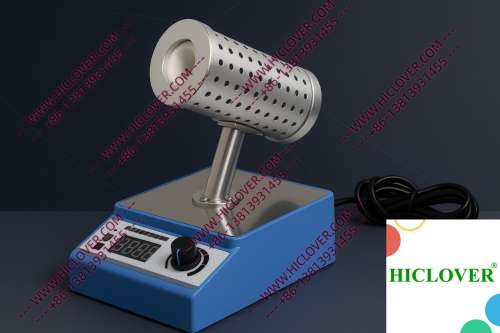
The Micro Incinerator works by employing infrared heat within an enclosed ceramic tube that allows for rapid thermal sterilization. This technique achieves high temperatures that effectively eliminate microbial life while minimizing aerosol generation. Unlike traditional flame-based sterilizers, which can introduce contaminants through the combustion process, the Micro Incinerator ensures a clean, controlled environment perfect for sensitive laboratory settings.
Applications of the Micro Incinerator in Laboratory Settings
This versatile sterilization solution is suitable for various settings, including:
- Biosafety Cabinets: When performing sensitive microbiological processes, the Micro Incinerator enhances safety protocols, providing a flame-free environment that maintains sterility.
- Field Testing: In remote locations, where traditional sterilization methods may be impractical, the portability and efficiency of the Micro Incinerator allow for quick and reliable sterilization.
- University Teaching Labs: Educating students about safe laboratory practices is crucial. The Micro Incinerator’s easy operation provides a perfect teaching tool for demonstrating loop sterilization without the risks associated with flames.
Compliance with Biosafety Standards
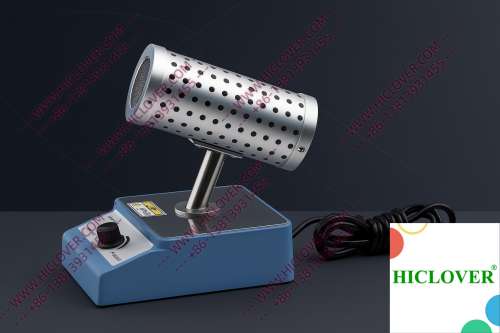
When operating within laboratory environments adhering to WHO biosafety standards, using the appropriate sterilization technique is imperative. The Micro Incinerator aligns with stringent lab sterilization regulations, eliminating the need for open flames in clean rooms and other sensitive areas. This minimizes the risks of accidental burns and environmental contamination.
Furthermore, laboratories often encounter challenges with aerosol generation from traditional methods, which can pose severe risks in BSL-2 and BSL-3 microbiology labs. The Micro Incinerator’s design inherently reduces these risks, making it an invaluable asset for clinical diagnostics and research applications.
Advantages of the Micro Incinerator Over Traditional Flame Sterilizers
When comparing the Micro Incinerator to traditional flame sterilizers, several advantages become apparent:
| Feature | Micro Incinerator | Traditional Flame Sterilizers |
|---|---|---|
| Safety | No open flame | Risk of burns and fires |
| Efficiency | Rapid thermal sterilization | Longer heating times |
| Contamination Control | Aerosol-free operation | Possible aerosol generation |
| Environment | Clean-bench-safe | Not suitable for clean room environments |
Frequently Asked Questions
What is a Micro Incinerator and how does it work?
A Micro Incinerator is a laboratory sterilization device that utilizes infrared heat within a ceramic tube to achieve rapid thermal sterilization without the use of open flames, thereby enhancing safety and reducing contamination risks.
Why choose the Micro Incinerator over traditional sterilizers?
The Micro Incinerator provides numerous advantages including enhanced safety, efficiency in sterilization, and reduced aerosol generation, making it suitable for sensitive laboratory environments.
Can the Micro Incinerator be used in field testing?
Yes, its portable design and efficient sterilization capabilities make it ideal for use in field testing where access to traditional sterilization methods may be limited.
What compliance standards does the Micro Incinerator meet?
The Micro Incinerator complies with WHO biosafety standards and is suitable for BSL-2 and BSL-3 laboratories, ensuring that it meets the necessary safety and operational protocols.
Is the Micro Incinerator user-friendly for educational purposes?
Absolutely! Its simple operation makes the Micro Incinerator an excellent tool for teaching laboratory sterilization principles without the risks associated with flame-based methods.
Conclusion
In the pursuit of effective contamination control and laboratory safety, incorporating the Micro Incinerator into sterilization workflows significantly enhances laboratory protocols. Its myriad benefits over traditional flame sterilizers not only address safety concerns but also align with compliance standards. For laboratories seeking to optimize their sterilization processes, the Micro Incinerator is the ideal choice. Contact us today to explore our range of high-quality Micro Incinerators and elevate your laboratory’s sterilization practices.
Categories:
Tags: