
As the healthcare landscape evolves, Fresno hospitals are increasingly challenged by the practicalities of laboratory biosafety and the urgency of efficient sterilization workflows. The necessity for effective medical waste disposal is pivotal in maintaining infection control and patient safety. In this context, the introduction of Micro Incinerators—specifically Infrared Inoculating Loop Sterilizers—is not only a trend but a revolutionary step toward cleaner, sustainable solutions in laboratory settings.
Understanding Micro Incinerators and Their Advantages
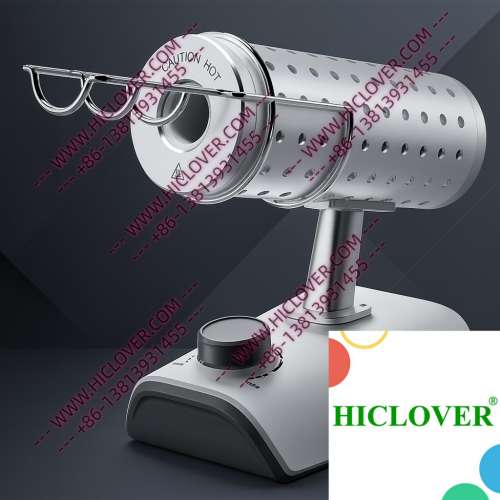
Micro incinerators operate on the principle of rapid thermal sterilization, utilizing infrared heat generated within a ceramic heating chamber. This technology allows for high-temperature disinfection without the use of open flame, making these devices an ideal choice for sensitive environments such as cleanrooms and biosafety cabinets. A micro incinerator’s enclosed design significantly reduces the risks associated with aerosol generation that is prevalent in traditional flame sterilizers, such as Bunsen burners or alcohol lamps.
Technical Specifications
The typical structure of a micro incinerator includes:
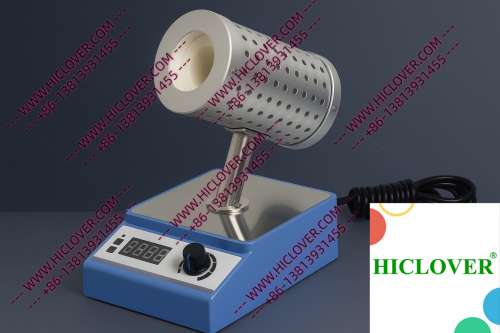
- Infrared heating elements for immediate thermal energy application
- An enclosed ceramic tube to ensure waste containment and efficient heat distribution
- Compact size ideal for laboratory benchtops, enhancing space management
- Enhanced Safety: Reduced risk of fire hazards and aerosol contamination.
- Sustainability: Less reliance on alcohol and gas-based systems minimizes chemical disposal issues.
- Space Efficiency: Compact design suitable for diverse laboratory settings.
Applications in Laboratory Environments
1. Biosafety Cabinets
In laboratories where maintaining strict biosafety protocols is essential, such as BSL-2 or BSL-3 microbiology labs, micro incinerators serve as a perfect tool for sterilizing inoculating loops and other small instruments. By providing a clean, efficient means of waste disposal, they align perfectly with contamination control efforts—helping to prevent the spread of pathogens.
2. Teaching Labs
University teaching labs, particularly those involved in clinical diagnostics and microbiology training, benefit significantly from the application of micro incinerators. Educators can demonstrate high standards of laboratory practice while ensuring the safety of students. The compact nature of these devices allows them to fit seamlessly into various teaching setups without compromising on the operational workflow.
Compliance and Environmental Considerations
Globally, stringent guidelines set by the WHO and other health organizations dictate that laboratory environments must adhere to high sterilization standards. For instance, the environmental impact associated with traditional flame sterilizers poses compliance challenges, especially regarding no flame conditions in clean rooms. Micro incinerators meet these standards by eliminating open flames and thereby providing a safer alternative that ensures compliance with biosafety regulations.
Biosafety Compliance Reference
| Feature | Micro Incinerator | Traditional Flame Sterilizers |
|---|---|---|
| Flame-Free Operation | Yes | No |
| Aerosol-Free Handling | Yes | Often No |
| Efficient Heat Disinfection | Rapid | Varies |
| Compliance with WHO Sterilization Standards | Yes | Sometimes |
Why Transition to Micro Incinerators?
The shift toward micro incinerators is not just about adopting new technology; it reflects a tangible need for improved sterilization practices across various laboratory domains. Benefits include:
Frequently Asked Questions
What types of instruments can be sterilized using a micro incinerator?
Micro incinerators can effectively sterilize inoculating loops, needles, and other small metal instruments used in microbiological applications.
How does a micro incinerator compare to a traditional flame sterilizer?
The main advantages of a micro incinerator include safety due to the absence of open flames, quicker sterilization times, and compliance with stricter biosafety regulations.
Are micro incinerators easy to maintain?
Yes, they require minimal maintenance compared to traditional sterilization devices, primarily because they have fewer moving parts and components subjected to wear and tear.
Conclusion
The integration of micro incinerators into the medical waste disposal process exemplifies a forward-thinking approach that Fresno hospitals are adopting. Not only do they enhance laboratory safety, but they also promote an eco-friendly practice that aligns with modern health standards. For laboratories looking to upgrade their sterilization equipment, considering a Micro Incinerator could be a game-changing investment. Discover how this innovative tool can enhance your laboratory’s workflow by contacting us today!
Categories:
Tags: