
In the realm of microbiology labs, the importance of effective sterilization cannot be overstated. Laboratory personnel face a myriad of biosafety challenges, including contamination from pathogenic microorganisms. A critical element in maintaining a sterile environment is the choice of sterilization equipment. Among the various techniques, traditional flame sterilizers, like Bunsen burners and alcohol lamps, have given way to more advanced solutions such as the Micro Incinerator or Infrared Inoculating Loop Sterilizer. This article elucidates the principles, applications, and compliance considerations surrounding these innovative tools in the microbiological landscape.
Understanding the Micro Incinerator: Technical Principles
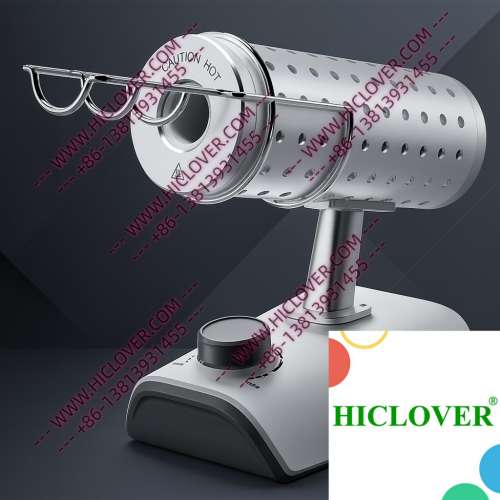
The Micro Incinerator employs infrared heat technology to achieve rapid thermal sterilization. This device is designed with an enclosed ceramic tube, allowing it to reach high temperatures almost instantaneously. Unlike traditional flame-based methods, which pose risks such as open flames in clean rooms, the Micro Incinerator offers a clean-bench-safe environment for sterilization, facilitating aerosol-free handling of inoculating loops.
The rapid heating property of the Micro Incinerator is particularly advantageous for busy labs where efficiency is paramount. The high-temperature disinfection achieved with infrared technology ensures that sterilization is both effective and quick, enabling microbiologists to maintain high levels of lab productivity without compromising safety.
Applications in Real Labs
Micro Incinerators find utility in diverse laboratory settings. Below are two application scenarios highlighting their significance:
Biosafety Cabinet Usage
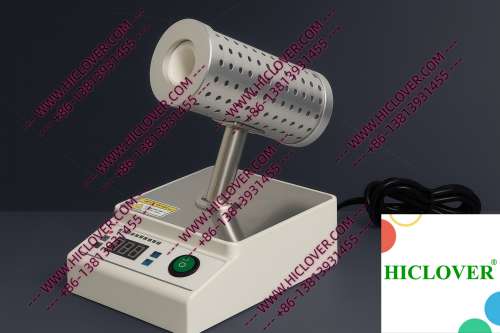
In BSL-2 and BSL-3 microbiology labs, where the risks of handling pathogenic organisms are higher, the Micro Incinerator serves as a crucial tool. Following the handling of microbial cultures, sterilization of inoculating loops is vital to prevent cross-contamination. The rapid thermal sterilization provided by the Micro Incinerator allows professionals to swiftly sterilize tools, ensuring a sterile bench during microbial work.
University Teaching Labs
In educational settings, such as university teaching labs, students are often taught the importance of sterilization techniques. The use of Micro Incinerators provides a safe and effective method for students to learn sterile techniques without the hazards associated with open flames. Its straightforward operation makes it an excellent choice for demonstrating the principles of contamination control and microbiological safety.
Compliance with Biosafety Standards
The World Health Organization (WHO) prescribes stringent biosafety practices to mitigate risks associated with laboratory work. Compliance with these standards is crucial to ensure laboratory safety. One of the major advantages of the Micro Incinerator is its ability to comply with the necessary sterilization standards, offering a reliable alternative to flame-based methods.
- No open flames in clean rooms mitigate risks of ignition.
- Reduced aerosol generation during sterilization enhances safety.
- Conforms to relevant sterilization protocols outlined by WHO and other regulatory bodies.
Comparison: Micro Incinerator vs. Traditional Flame Burners
| Feature | Micro Incinerator | Flame Burners |
|---|---|---|
| Heat Source | Infrared | Open Flame |
| Safety | Low Risk of Burns | High Risk of Burns and Fire |
| Efficiency | Rapid Sterilization | Slower Sterilization |
| Aerosol Generation | None | High Risk of Aerosol Spread |
Frequently Asked Questions
- What is a Micro Incinerator?
- How does infrared sterilization work?
- Is it safe to use a Micro Incinerator in a cleanroom environment?
- Can it be used in field testing laboratories?
- What are the benefits compared to alcohol lamps?
A Micro Incinerator is a sterilization device that uses infrared heat to rapidly and effectively sterilize inoculating loops and other tools in microbiology labs.
Infrared sterilization works by emitting heat that instantly raises the temperature of the sterilization tool, effectively killing microorganisms without the risks posed by flames.
Yes, the Micro Incinerator is designed for use in cleanrooms as it does not generate open flames, minimizing the risk of contamination and fire hazards.
Absolutely! Its portable design and rapid heating capabilities make it suitable for use in field testing situations.
Benefits include rapid sterilization, no risk of flame-induced burns, reduced aerosol contamination, and a streamlined workflow in various laboratory settings.
Conclusion
As laboratory workflows evolve, the reliance on innovative equipment like the Micro Incinerator continues to rise. This device not only meets the stringent demands of biosafety and compliance practices but also enhances productivity and ensures a high level of contamination control. For laboratories looking to improve their sterilization processes, reaching out for more information or purchasing this state-of-the-art equipment is a step towards fostering a safer and more efficient working environment.
Explore the advantages of the Micro Incinerator today and elevate your laboratory’s sterilization practices!
Categories:
Tags: