
Laboratory biosafety challenges are critical in environments where microbial contaminants can severely impact research and diagnostic outcomes. Whether it’s the intricate procedures in BSL-2 microbiology labs or the swift requirements in mobile testing facilities, maintaining a sterile environment is non-negotiable. This is where advanced sterilizers, particularly the Micro Incinerator or Infrared Inoculating Loop Sterilizer, come into play, revolutionizing the way we tackle microbial threats.
Micro Incinerators: The Cutting-Edge in Sterilization Technology
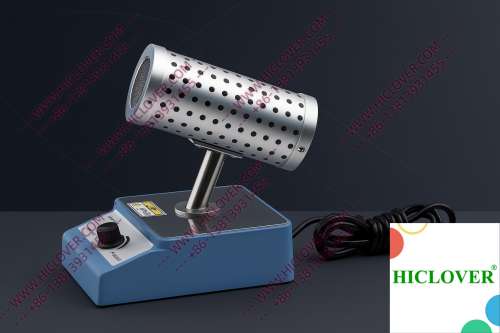
The fundamental principle of the Micro Incinerator revolves around rapid thermal sterilization using infrared heat. Unlike traditional flame sterilizers, such as alcohol lamps or Bunsen burners that can introduce contaminants through flames or frayed wires, the Micro Incinerator utilizes an enclosed ceramic heating chamber. This design provides consistent high-temperature disinfection while ensuring a clean-bench-safe environment.
Infrared sterilizers operate by emitting targeted thermal energy, optimizing the sterilization process without the risk of aerosol generation. With a remarkable capability to reach temperatures upwards of 800°C in less than 10 seconds, this equipment not only significantly reduces waiting times but also enhances safety protocols in laboratories.
Applications in Real Labs
Below are two compelling application scenarios where the Micro Incinerator has proven itself invaluable:
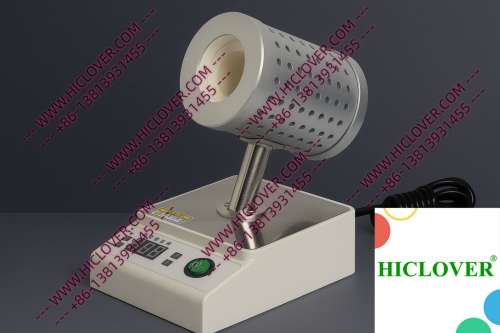
- Biosafety Cabinets: In BSL-2 and BSL-3 microbiology labs, the Micro Incinerator integrates seamlessly into biosafety cabinets. When working with pathogenic microorganisms, researchers benefit from the instant sterilization of inoculating loops, minimizing the risk of contamination. This efficiency ensures that sterile conditions are maintained throughout the experimental workflow.
- Teaching Labs: In university teaching laboratories, the Micro Incinerator serves as an essential tool in microbiology courses. Students can utilize infrared sterilization techniques during practical sessions, learning the importance of contamination control in a secure environment while avoiding exposure to flames and hazardous materials.
Compliance with Sterilization Standards
Ensuring compliance with biosafety and sterilization standards is paramount for laboratories worldwide. The World Health Organization (WHO) outlines strict guidelines regarding microbial safety in laboratories. Adopting instruments like the Micro Incinerator not only aligns with these standards but also supports safe work habits by eliminating the use of open flames in cleanrooms and sterile environments.
By transitioning to infrared sterilizers, laboratories can adhere to various national and international sterilization protocols, vastly improving safety and regulatory compliance metrics.
Advantages Over Traditional Flame Sterilizers
Comparing the Micro Incinerator to traditional flame sterilizers reveals several advantages:
| Feature | Micro Incinerator | Traditional Flame Sterilizers |
|---|---|---|
| Temperature Control | Rapid, consistent, and adjustable heat | Fluctuating temperature with potential for uneven heating |
| Safety | No open flame, reduced risk of fire | Open flames, higher risk of accidents |
| Sterilization Time | Under 10 seconds | Variable, often longer |
| Contamination Risk | Minimal, enclosed design | Potential for aerosol generation |
| Maintenance | Low maintenance with durable components | Frequent replacement of gas and flame components needed |
Environmental Considerations and Safety Compliance
The transition to infrared sterilization not only enhances safety but also promotes environmental responsibility. Reduced combustible materials mean less emission of harmful pollutants and a lower carbon footprint. Furthermore, as cleanroom protocols have become more stringent, the Micro Incinerator stands out for its compliance with regulations that prohibit open flames in sensitive areas.
FAQs on Micro Incinerators
- How does the Micro Incinerator work?
The Micro Incinerator utilizes infrared heat emitted from a ceramic chamber to achieve rapid sterilization of inoculating loops, avoiding the risks associated with traditional flame sterilizers. - What are the advantages of using a Micro Incinerator over a Bunsen burner?
It provides instant, high-temperature sterilization without the concerns of open flames, minimizes contamination risks, and is generally safer and easier to use. - Is the Micro Incinerator suitable for field testing laboratories?
Yes, its portable design and efficient sterilization capability make it an ideal choice for on-the-go testing in various environmental conditions. - What biosafety levels can the Micro Incinerator be used in?
It is suitable for BSL-2 and BSL-3 laboratories, providing a safe and compliant option for handling pathogenic microorganisms. - How do I maintain a Micro Incinerator?
The Micro Incinerator requires minimal maintenance due to its durable components. Regular cleaning of the ceramic tube is recommended for optimal performance.
Conclusion: Elevate Your Laboratory’s Sterilization Protocols
As microbial threats evolve, so too must our methods of containment and sterilization. The Micro Incinerator/Infrared Inoculating Loop Sterilizer stands as a superior alternative to traditional flame sterilizers, offering rapid thermal sterilization that prioritizes safety and compliance. For laboratories committed to biosafety and optimal workflows, investing in advanced sterilization equipment is not just a choice; it’s a critical necessity.
Contact us today to learn more about how the Micro Incinerator can enhance your lab’s capabilities and meet your specific sterilization needs!
Categories:
Tags: