
In the realm of laboratory settings, safety is paramount. Biosafety challenges have the potential to undermine the credibility and integrity of research initiatives. In response to the increasing demand for efficient sterilization workflows, the adoption of advanced sterilization equipment such as the Micro Incinerator, also known as the Infrared Inoculating Loop Sterilizer, is transforming laboratory practices. This article delves deeper into the role of these electric heating sterilizers and their impact on effective laboratory sterilization.
Understanding the Technical Principles
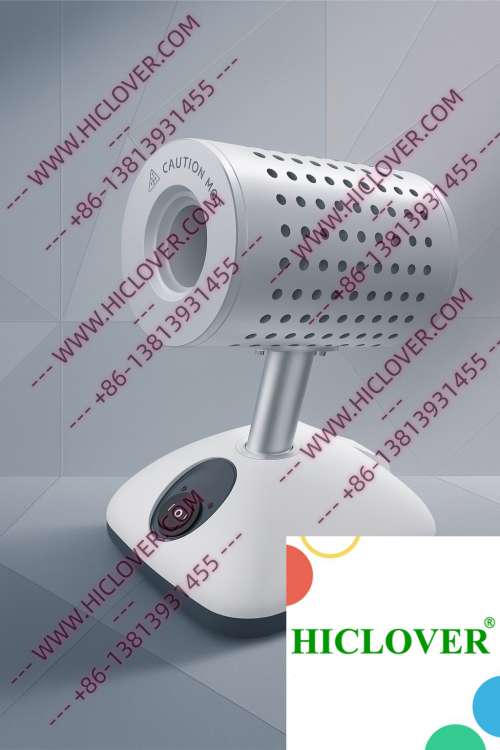
The Micro Incinerator operates through a principle of infrared heating, utilizing an enclosed ceramic heating chamber that offers rapid thermal sterilization capabilities. This technology allows the sterilizer to reach extremely high temperatures efficiently, providing a contamination control method that is both quick and effective. Unlike traditional flame sterilizers—such as alcohol lamps and Bunsen burners—this device eliminates the risk of harmful aerosols and offers a clean-bench-safe solution for sensitive laboratory environments.
Market Needs and Applications
The demand for sterilization tools is growing, particularly in settings such as BSL-2 and BSL-3 microbiology labs, clinical diagnostics, and educational institutions. Let’s explore some practical application scenarios where the Micro Incinerator shines the brightest:
1. Biosafety Cabinets
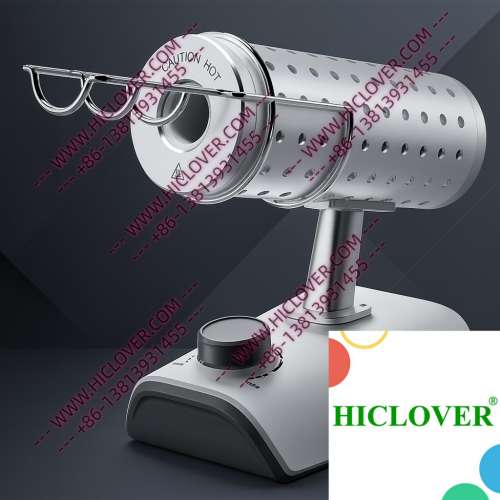
In biosafety cabinets (BSCs), where contamination control is critical, the Micro Incinerator is invaluable. Users can effectively sterilize inoculating loops and needles without introducing flame, thus preserving the integrity of the sterile environment. The quick turnaround time minimizes workflow interruptions, allowing researchers to maintain focus on their investigations without unnecessary distraction.
2. Field Testing Labs
Mobile or field testing labs face unique sterilization challenges due to varied environmental conditions. The portability and reliability of the Micro Incinerator make it an ideal choice. Field researchers can easily sterilize their tools on-site, mitigating contamination risks while ensuring compliance with safety protocols. This real-time sterilization capability supports the accuracy of field sampling, leading to better research outcomes.
Compliance and Safety Standards
To ensure that laboratories comply with international safety guidelines, the Micro Incinerator adheres to strict WHO biosafety requirements and laboratory sterilization standards. Traditional flame-based methods pose safety risks, especially in clean rooms where flammable materials are present. The electric heating mechanism of Micro Incinerators preserves the necessary sterile conditions essential for both laboratory procedures and regulatory compliance.
Did You Know? Many countries, including the United States and European Union members, have established rules mandating the use of non-flame sterilization methods in sensitive settings, making electric sterilizers a preferred choice.
Advantages Over Traditional Flame Sterilizers
Choosing electric heating sterilizers like the Micro Incinerator offers several distinct advantages over traditional techniques:
- Rapid sterilization: Achieves high temperatures in seconds.
- Contamination control: Eliminates aerosols and thermal damage risks.
- Safety: No open flames, reducing fire hazards in labs.
- Efficiency: Minimal disruption to laboratory workflows.
- Versatility: Suitable for various applications and environments.
Comparison Table: Micro Incinerator vs. Flame Burners
| Feature | Micro Incinerator | Flame Burners |
|---|---|---|
| Heating Method | Infrared Electric | Open Flame |
| Safety | High, enclosed system | Moderate, flammable risks |
| Speed | Instant | Variable |
| Contamination Risk | Minimal | High |
FAQs
What is a Micro Incinerator?
A Micro Incinerator is an electric heating sterilization device that utilizes infrared technology to quickly sterilize inoculating loops and other laboratory instruments without the use of flame.
How does the Micro Incinerator contribute to laboratory safety?
By utilizing enclosed infrared heating, it minimizes aerosol production and eliminates fire hazards associated with traditional flame-based sterilizers, promoting a safer working environment.
Is the Micro Incinerator compliant with international standards?
Yes, it complies with WHO biosafety guidelines and various laboratory sterilization standards, making it suitable for use in BSL-2 and BSL-3 laboratories.
Can I use it in a teaching lab setting?
Absolutely! The Micro Incinerator is perfect for educational environments where sterilization protocols must be followed without the dangers associated with open flames.
How portable is the Micro Incinerator for field testing?
The Micro Incinerator is lightweight and designed for easy transport, making it ideal for researchers who require effective sterilization solutions in various field conditions.
Where can I purchase a Micro Incinerator?
You can obtain high-quality Micro Incinerators from specialized laboratory supply distributors, hospitals, universities, and research centers. We encourage you to explore this essential tool for your lab safety needs.
Conclusion
The transition from traditional sterilization methods to electric heating sterilizers is a necessary evolution in laboratory safety and efficiency. The Micro Incinerator exemplifies how modern technology can facilitate compliance with biosafety regulations while optimizing sterilization workflows. For labs seeking enhanced biosafety and operational efficacy, investing in a Micro Incinerator is undeniably a wise choice. Contact us today for more information or to place your order, and embrace the future of laboratory sterilization!
Categories:
Tags: