
In the modern laboratory landscape, biosecurity and sterilization techniques have shifted significantly from traditional methods like Bunsen burners to highly advanced solutions. The increasing demand for laboratory sterilization equipment that ensures a safe and efficient workflow is paramount, especially in sensitive environments such as BSL-2 and BSL-3 microbiology labs, clinical diagnostics, and university teaching settings. One standout advancement in this realm is the Micro Incinerator, also known as Infrared Inoculating Loop Sterilizers. This article delves deep into the technical principles, application scenarios, compliance aspects, and benefits of this equipment.
Technical Principles Behind Infrared Inoculating Loop Sterilizers
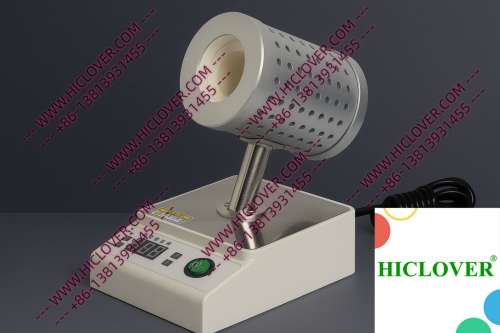
The Micro Incinerator operates via a sophisticated mechanism that utilizes infrared heat to efficiently sterilize inoculating loops without the risks associated with flame-based systems. At its core, this device features an enclosed ceramic tube that generates high-temperature infrared radiation, achieving rapid thermal sterilization.
This technology is superior to traditional flame sterilizers due to its precision and safety. The enclosed design minimizes the risk of accidental fire and contamination, providing a clean and aerosol-free handling experience essential for laboratory settings. The infrared heating element quickly reaches optimal sterilization temperatures, ensuring that the inoculating loop is disinfected in seconds, thereby enhancing the workflow efficiency significantly.
Application Scenarios in Real Labs
Biosafety Cabinet Usage: In high-containment environments like biosafety cabinets, maintaining a sterile workspace is critical. The Micro Incinerator can be strategically placed within the biosafety cabinet to optimize space while ensuring that inoculating loops are sterilized quickly and safely. Laboratory technicians can perform their tasks without the risk of contamination, facilitating a smooth and safe workflow.
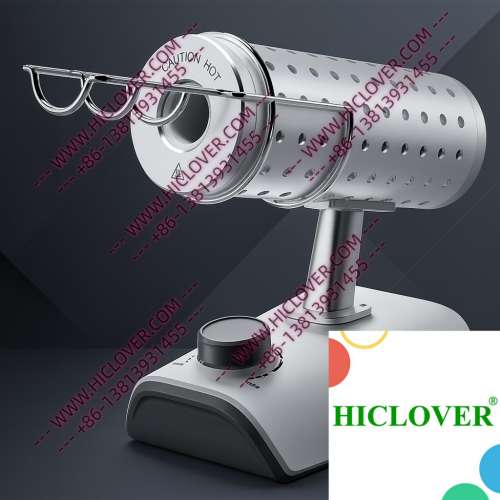
Field Testing Operations: For mobile and field testing labs, the portability of the Micro Incinerator is a game changer. In scenarios like environmental monitoring or pathogen detection in remote locations, this device allows researchers to perform sterilization on site without the need for bulky and potentially hazardous flame sterilizers. Its compact design and rapid operation greatly enhance efficiency in fast-paced environments.
Compliance and Safety Considerations
Adhering to sterilization standards is crucial to ensuring laboratory safety and compliance. The World Health Organization (WHO) and various national health departments emphasize that flame sterilizers are less suitable for clean rooms and high-biosafety level labs. Micro Incinerators effectively meet these standards by eliminating open flames and reducing the risk of fire hazards.
Moreover, the use of these devices in laboratories has been recognized as compliant with safety regulations, including those mandated by the Centers for Disease Control and Prevention (CDC) and the Occupational Safety and Health Administration (OSHA). In contexts such as CO₂ incubator or anaerobic chamber operations, the absence of open flames ensures better control over environmental conditions, significantly reducing the potential for contamination.
Advantages Over Traditional Flame Sterilizers
Compared to traditional flame sterilizers, such as alcohol lamps and Bunsen burners, Micro Incinerators present several key advantages:
- Safety: No open flame reduces the risk of fire and contamination.
- Efficiency: Rapid sterilization ensures that loops are ready for immediate use.
- Ease of Use: Simplifies sterilization processes, ideal for both experienced and novice users.
- Compactness: Space-saving design suitable for diverse laboratory environments.
Micro Incinerator vs. Flame Sterilizers – A Comparison Table
| Feature | Micro Incinerator | Flame Sterilizers |
|---|---|---|
| Safety | No open flame | Open flame risks |
| Speed | Instant heating | Time-consuming |
| Contamination Control | Aerosol-free | Potential for aerosolization |
| Portability | Highly portable | Less portable |
Frequently Asked Questions
1. How quickly does the Micro Incinerator sterilize inoculating loops?
The Micro Incinerator can achieve complete sterilization of inoculating loops in just a few seconds, providing a rapid thermal sterilization process that is more efficient than traditional flame methods.
2. Can I use the Micro Incinerator in a biosafety cabinet?
Yes, the Micro Incinerator is designed for use in biosafety cabinets, enhancing your lab’s safety by eliminating the need for an open flame.
3. What standards does the Micro Incinerator comply with?
The device meets WHO biosafety standards and adheres to CDC and OSHA regulations, making it suitable for high-containment laboratory environments.
4. Is the Micro Incinerator suitable for field tests?
Absolutely! Its portability and rapid operation make it ideal for field testing labs in various remote locations.
5. How does the Micro Incinerator contribute to laboratory workflow efficiency?
By rapidly sterilizing inoculating loops within seconds, it optimizes laboratory workflow, allowing technicians to focus on their experiments without delays.
Conclusion
The evolution of laboratory sterilization techniques from traditional Bunsen burners to advanced solutions like the Micro Incinerator represents a significant improvement in biosafety and workflow efficiency. With its rapid thermal sterilization capabilities and compliance with stringent health standards, adopting this technology could enhance operations in various laboratory settings. For more information or to explore purchasing options, please contact us today and discover how the Micro Incinerator can transform your laboratory practices.
Categories:
Tags: