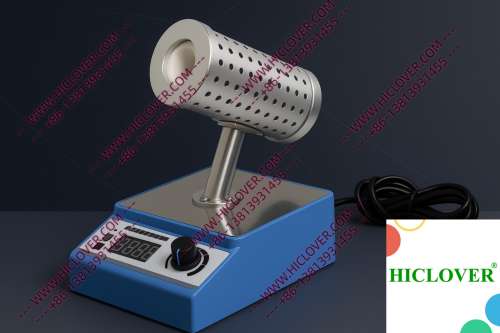
Laboratories are at the forefront of scientific innovation, but they face significant biosafety challenges. In environments where contamination control is critical, the demand for effective sterilization solutions has never been greater. Traditional methods, such as alcohol lamps and Bunsen burners, present safety risks and inefficiencies that the modern laboratory can no longer afford. This is where the Micro Incinerator / Infrared Inoculating Loop Sterilizer shines, providing rapid thermal sterilization in a compact and user-friendly design.
Technical Principles of the Micro Incinerator
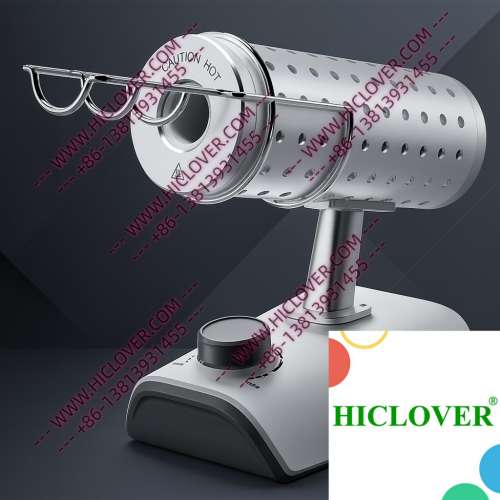
The Micro Incinerator utilizes advanced infrared heating technology within an enclosed ceramic tube. This design allows for high-temperature disinfection without the hazards associated with open flames. The infrared heat rapidly targets the inoculating loop or other instruments, achieving temperatures sufficient to eliminate microbial life in seconds. The enclosed chamber significantly minimizes aerosol production, enhancing the safety of both users and experiments.
Applications in Real Laboratories
Scenario 1: Biosafety Cabinet Environments
In BSL-2 and BSL-3 microbiology labs, where pathogens are handled, the importance of maintaining a sterile workspace cannot be overstated. The Micro Incinerator pairs perfectly with biosafety cabinets, enabling researchers to sterilize their inoculating loops without risking contamination from open flames. With a clean-bench-safe design, it offers peace of mind, ensuring that critical experiments are not inadvertently compromised.
Scenario 2: University Teaching Labs
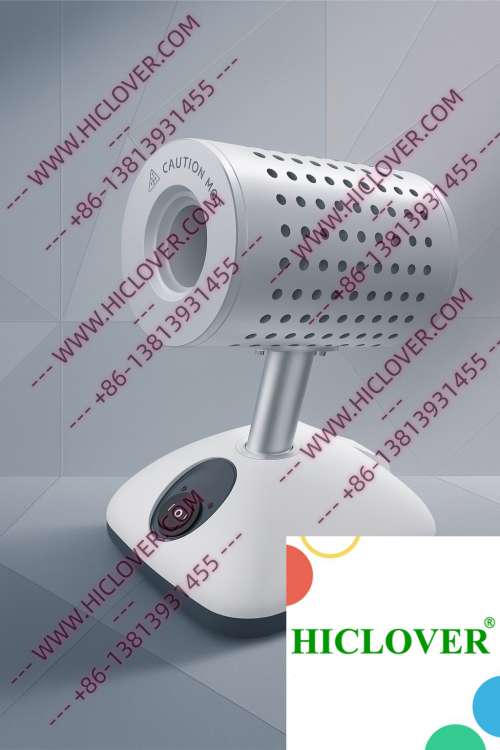
In educational settings, rapid and effective sterilization is crucial for teaching proper microbiological techniques. Universities in Sydney are increasingly employing Micro Incinerators in undergraduate lab courses. Students benefit from learning in a safe environment where they can practice inoculation and sample transfer without the fear of flame-related injuries. The rapid sterilization cycle allows for efficient workflows, maximizing hands-on learning opportunities.
Compliance with Biosafety Standards
Ensuring that laboratory practices meet WHO biosafety standards is essential. The Micro Incinerator aligns with stringent lab sterilization requirements. Its flameless operation is particularly advantageous for clean rooms where ignition sources are banned. As contamination control becomes increasingly important in research and clinical diagnostics, investing in compliant sterilization technology cannot be overlooked.
“The use of non-flame sterilizers has revolutionized our lab’s approach to biosafety,” says Dr. Amy Whitaker, a microbiologist at Sydney University. “We can focus more on our research without worrying about fire hazards.”
Comparative Analysis: Micro Incinerators vs. Traditional Flame Sterilizers
| Feature | Micro Incinerator | Flame Burners |
|---|---|---|
| Heat Source | Infrared | Open Flame |
| Contamination Control | Enclosed Design | Aerosol Production |
| Ignition Hazard | No | Yes |
| Speed of Sterilization | Rapid | Moderate |
| Usability in Clean Rooms | Ideal | Not Suitable |
Benefits of Modern Sterilization Solutions
- Rapid Thermal Sterilization: Micro Incinerators can achieve sterilization in seconds, streamlining workflows.
- Contamination Control: Enclosed ceramic heating chambers reduce the risk of cross-contamination.
- Aerosol-Free Handling: The absence of flames minimizes aerosol production, which is essential in sensitive laboratory environments.
- Ease of Use: With a simple interface and minimal setup, Micro Incinerators are user-friendly for both experienced scientists and students.
- Versatile Applications: Suitable for various laboratory settings including clinical diagnostics, teaching labs, and mobile field testing laboratories.
FAQs
1. What are the operational benefits of using a Micro Incinerator over traditional flame sterilizers?
The Micro Incinerator offers rapid thermal sterilization, improved contamination control, and is safer to use in clean environments. Its infrared technology eliminates the risks associated with open flames, making it ideal for BSL-2 and BSL-3 labs.
2. Can the Micro Incinerator be used in field testing labs?
Absolutely! Its portable design and rapid sterilization capabilities make it perfect for mobile or field testing laboratories, where reliable sterilization is crucial for sample integrity.
3. How does the Micro Incinerator comply with biosafety standards?
The Micro Incinerator meets various international biosafety standards, reducing the risk of contamination through its flameless sterilization method, making it suitable for cleanrooms and high-containment laboratories.
4. Is the Micro Incinerator suitable for university teaching labs?
Yes, it is an ideal tool for educational institutions, allowing students to practice sterile techniques in a safe environment while learning about microbial handling.
5. What makes the Micro Incinerator environmentally friendly?
The flameless design eliminates the need for alcohol or other combustible materials, reducing air pollutants and contributing to a safer, cleaner lab environment.
Conclusion
As laboratories in Sydney and beyond evolve to meet modern safety and efficiency demands, the Micro Incinerator / Infrared Inoculating Loop Sterilizer stands out as a versatile solution. Its rapid thermal sterilization, enhanced safety features, and compliance with biosafety standards position it as an indispensable tool for modern laboratory practices.
Interested in upgrading your lab’s sterilization capabilities? Contact us today to learn more about the Micro Incinerator and how it can enhance your laboratory’s workflow and safety.
Categories:
Tags: