
In today’s fast-paced world of laboratory research and diagnostics, the challenge of maintaining a sterile environment is a fundamental concern. The recent advancements in laboratory sterilization equipment, particularly the Micro Incinerator / Infrared Inoculating Loop Sterilizer, are promising to revolutionize how healthcare operations in Bahrain manage biosafety and contamination control. This article explores the technical principles behind these devices, their application in real laboratory settings, the regulatory frameworks they adhere to, and how they enhance workflow efficiency.
Biosafety Challenges and Workflow Demands
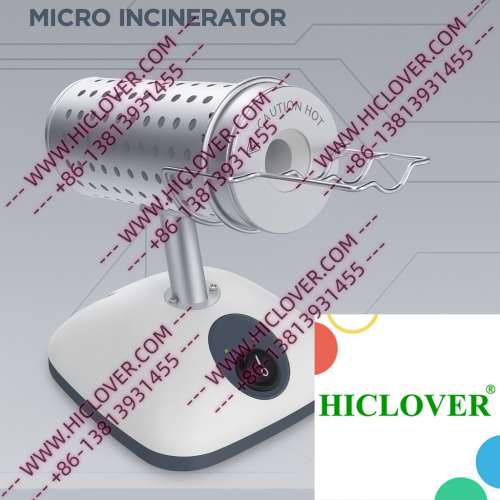
Laboratories, especially microbiology labs adhering to BSL-2 and BSL-3 standards, face multifaceted challenges in ensuring sterilization efficiency. Traditional methods such as alcohol lamps and Bunsen burners, while effective, pose risks such as open flames, which can ignite flammable materials or disperse aerosols. This not only endangers the lab personnel but also compromises the integrity of the environment. The evolution into modern sterilizing techniques, such as the Micro Incinerator, addresses these challenges head-on, offering a safer and more efficient way to ensure thorough sterilization.
Technical Principles of Infrared Sterilization
The Micro Incinerator employs rapid thermal sterilization through infrared heat, a process that significantly differs from traditional flame sterilizers. Utilizing an enclosed ceramic heating chamber, it generates high temperatures quickly, ensuring that inoculating loops and other lab tools are sterilized efficiently without the risk of contamination that comes with open flames. The precision of infrared technology allows for aerosol-free handling, reducing the chance of environmental contamination while providing rapid disinfection.
Key Advantages of Using Micro Incinerators
- Safety: Eliminates open flames, reducing risks of fire and chemical exposure.
- Efficiency: Rapid heating capabilities dramatically decrease sterilization times.
- Cleanroom Compatibility: Ideal for use in biosafety cabinets and clean areas where traditional flames are unsuitable.
- Mobility: Lightweight and compact design allows for easy transport to field testing labs.
- Environmentally Friendly: No emissions of harmful chemicals or aerosols.
Applications in Real Laboratory Settings
In Bahrain, various laboratory environments are starting to implement the Micro Incinerator for a wide range of applications:
- Biosafety Cabinets: With strict adherence to environmental safety protocols, labs are employing Micro Incinerators within biosafety cabinets. This setup ensures that all tools remain contamination-free while allowing researchers to operate within a controlled environment.
- Field Testing in Mobile Labs: In response to emerging infectious diseases, mobile labs deploy the Micro Incinerator for on-the-ground testing. Its portability and rapid sterilization properties enable swift responses in areas where traditional lab setups are impractical.
Compliance and Environmental Considerations
Compliance with international biosafety standards, such as those established by the World Health Organization (WHO), is a paramount concern for laboratories. The Micro Incinerator is designed not only to comply with lab sterilization standards but also to enhance safety protocols by eliminating the use of open flames. Cleanroom environments particularly benefit as they require stringent control over particulate contamination, which traditional flame sterilizers cannot guarantee.
Biosafety Regulations Compliance
Keeping in line with biosafety regulations not only protects laboratory staff but also contributes to the wider public health objectives defined by global organizations.
Micro Incinerator vs. Traditional Flame Burners
| Feature | Micro Incinerator | Traditional Flame Burners |
|---|---|---|
| Safety | No flame, reduces fire risk | Open flame, potential hazards |
| Efficiency | Rapid thermal heating | Slower, dependent on external factors |
| Contamination Control | Aerosol-free handling | Risk of aerosolized pathogens |
| Environment | Cleanroom compatible | Not suitable in clean environments |
Frequently Asked Questions
- What makes the Micro Incinerator safer than traditional methods?
Its design eliminates open flames, reducing chemical exposure and fire hazards in the laboratory. - Can the Micro Incinerator be used in field testing?
Absolutely, its portability and quick sterilization capabilities make it ideal for mobile lab applications. - How does infrared sterilization compare to flame sterilization?
Infrared sterilization is faster, safer, and eliminates the risk of aerosolized contamination, providing superior safety and effectiveness. - Is the Micro Incinerator compliant with international standards?
Yes, it is designed to meet WHO biosafety and lab sterilization standards. - What is the average sterilization time for the Micro Incinerator?
Typically, it only takes a few seconds to achieve effective sterilization, significantly reducing workflow disruptions.
Conclusion
The transition from traditional flame sterilizers to advanced Micro Incinerator / Infrared Inoculating Loop Sterilizers signifies a monumental step in enhancing laboratory safety and operational efficiency. For healthcare providers and laboratories in Bahrain looking for reliable sterilization solutions, embracing this technology is not just a choice; it’s a necessity for progress. If you’re interested in optimizing your sterilization workflow, contact us today to explore our top-quality Micro Incinerator options and transform your laboratory operations.
Categories:
Tags: