
In today’s increasingly complex laboratory environments, maintaining biosafety and effective sterilization practices presents a considerable challenge, particularly in high-stake sectors such as clinical diagnostics, microbiology, and advanced research. Amid rising concerns about contamination control, traditional flame sterilizers like alcohol lamps and Bunsen burners are becoming less favored due to inherent risks such as open flames and aerosol generation. As a result, innovative solutions like the Micro Incinerator, an advanced infrared inoculating loop sterilizer, are gaining prominence in research facilities worldwide, especially in Germany.
The Technological Edge of Micro Incinerator Sterilizers
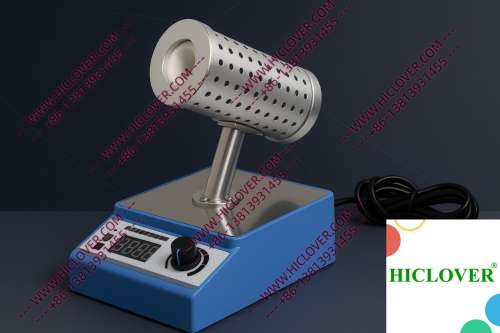
The Micro Incinerator operates on the principle of rapid thermal sterilization using targeted infrared heat. This device features an enclosed ceramic heating chamber designed to achieve high temperatures efficiently, allowing for quick and effective disinfection of inoculating loops and other lab instruments. With the capability to reach temperatures over 800°C, the sterilizer utilizes infrared technology to provide an aerosol-free handling environment, crucial for biosafety cabinet operations.
Unlike traditional flame-Based sterilizers, the Micro Incinerator eliminates the risks associated with open flames, making it suitable for use in cleanrooms and sensitive lab settings. The design minimizes contamination risk while providing a compact, portable solution for labs requiring stringent sterilization outcomes. This state-of-the-art equipment operates seamlessly, allowing researchers to focus on their work without the constant concern of potential contamination.
Applications of Micro Incinerators in Real Laboratory Settings
1. Biosafety Cabinet Operations
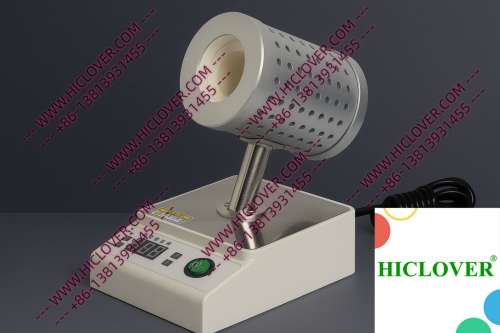
In BSL-2 and BSL-3 microbiology labs, where pathogens are handled, maintaining a sterile environment is non-negotiable. The Micro Incinerator’s compact design makes it a perfect fit in shadow-free workspaces of biosafety cabinets. Research staff can quickly sterilize inoculating loops without creating aerosols, which helps reduce the risk of airborne contamination in the workspace.
2. Field Testing in Remote Locations
When conducting field tests in diverse environments, portability and reliability become critical. The Micro Incinerator’s lightweight design allows it to be transported easily, ensuring researchers can maintain sterilization protocols outside traditional lab settings. Users have reported its effectiveness in maintaining contamination control, even in challenging outdoor conditions, highlighting the necessity of modern sterilization tools that adapt to various situations.
Compliance with Biosafety Standards
Adherence to international laboratory sterilization standards is essential for ensuring safe handling and prevention of infection. Organizations like the World Health Organization (WHO) recommend effective sterilization methods to maintain biosafety. Instruments that utilize open flames can pose significant risks in sensitive environments like cleanrooms due to the risk of fire and flammable interactions.
The Micro Incinerator explicitly caters to these guidelines by eliminating flame use while achieving high-temperature disinfection, thus complying with established sterilization standards. Moreover, its efficiency in achieving rapid thermal sterilization ensures laboratories can meet regulatory demands without compromising safety.
Comparative Analysis of Sterilization Methods
| Feature | Micro Incinerator | Flame Sterilizer |
|---|---|---|
| Temperature Control | Consistent high temperature, adjustable | Variable, dependent on open flame |
| Aerosol Generation | None | High risk of aerosol production |
| Safety | Clean-bench-safe, low risk | Open flame hazards |
| Portability | Lightweight and portable | Requires stable setup |
| Ease of Use | Simple operation | Skills required for flame management |
FAQs about Micro Incinerators
-
What types of sterilization tasks can a Micro Incinerator perform?
The Micro Incinerator is ideal for sterilizing inoculating loops, needles, and other small laboratory instruments, ensuring rapid thermal sterilization while minimizing contamination risks.
-
How does the Micro Incinerator ensure safety during use?
By utilizing infrared heating and eliminating open flames, the Micro Incinerator greatly reduces the risks of fires, burns, and aerosols, making it a safe choice for laboratory spaces.
-
Can this device be used in field-testing environments?
Yes, its lightweight design allows for easy transport, making it suitable for field testing in various external environments while ensuring effective sterilization protocols.
-
What biosafety standards does the Micro Incinerator meet?
The Micro Incinerator complies with WHO biosafety guidelines and other international sterilization standards, making it an appropriate choice for BSL-2 and BSL-3 labs.
-
How is maintenance handled for the Micro Incinerator?
Maintenance is minimal; regular cleaning of the ceramic heating chamber is typically sufficient to ensure optimal performance.
Conclusion
Germany has been at the forefront of developing innovative laboratory sterilization equipment, with devices like the Micro Incinerator representing a pivotal advancement in control and safety measures. By transitioning to this advanced infrared inoculating loop sterilizer, laboratories can improve their sterilization workflows and meet rigorous compliance standards, thus enhancing overall productivity and safety. For more information on acquiring the Micro Incinerator or to discuss your laboratory needs, feel free to reach out to our expert team today.
Categories:
Tags: