
In today’s fast-paced laboratory environments, ensuring effective biosafety and efficient workflows is paramount. Laboratory professionals routinely face challenges related to contamination control and sterilization processes. Specifically, traditional methods of sterilization, such as alcohol lamps and Bunsen burners, present limitations in safety, ease of use, and overall efficacy. This has driven innovations in continuous sterilization technology, most notably the development of infrared inoculating loop sterilizers, commonly known as Micro Incinerators.
Understanding the Technical Principles
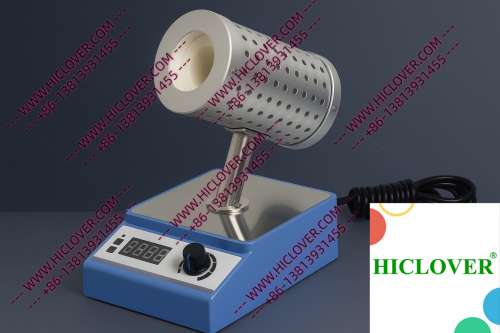
The Micro Incinerator utilizes infrared heat principles to achieve rapid thermal sterilization. It employs a ceramic heating chamber that provides a high-temperature disinfection solution without the risks associated with open flames. When the inoculating loop is introduced into the enclosed ceramic tube, the infrared radiation generates sufficient heat to eliminate pathogens effectively while significantly reducing the risk of aerosol formation.
- Rapid Thermal Sterilization: Achieves sterilization in seconds.
- Contamination Control: Minimized risk of cross-contamination.
- Clean-Bench-Safe Design: Ideal for use in sterile work environments.
Applications in Real Laboratories
Micro Incinerators are incredibly versatile and find applications in various laboratory settings, including:
Biosafety Cabinets
In BSL-2 and BSL-3 microbiology labs, safety is a top priority. Micro Incinerators provide a clean and safe method for sterilizing inoculating loops without the hazards of flames or aerosols in the sensitive environment of a biosafety cabinet. The compact design allows for easy integration, maintaining the integrity of the sterile workspace.
Field Testing and Mobile Labs
In mobile or field testing labs, where traditional sterilization methods may not be practical, the Micro Incinerator shines. It allows field technicians to carry out essential sterilization processes on-site without the need for gas or complicated setup. For instance, in remote environmental monitoring projects, the ability to sterilize tools swiftly and effectively becomes crucial for accurate results.
Compliance and Environmental Considerations
When it comes to laboratory sterilization, compliance with established standards is crucial. The World Health Organization (WHO) has outlined specific biosafety measures that laboratories must follow, especially when working with pathogenic organisms. The Micro Incinerator stands in alignment with these regulations, particularly in cleanroom environments where the presence of a flame is prohibited.
Furthermore, in regions like the European Union, compliance with Laboratory Sterilization Standards ensures that laboratories operate efficiently and safely, reducing the risk of contamination and infection.
Micro Incinerator vs. Traditional Flame Sterilizers
| Feature | Micro Incinerator | Flame Sterilizer |
|---|---|---|
| Speed | Seconds | Variable (30 seconds or more) |
| Contamination Risk | Minimal | Higher due to open flame |
| Ease of Use | Simple, one-button operation | Requires careful handling and adjustment |
| Safety | High (no open flame) | Moderate (risk of burns & fire) |
Frequently Asked Questions
1. How does a Micro Incinerator compare to traditional sterilization methods?
The Micro Incinerator offers faster sterilization, reduced risk of contamination, and enhanced safety compared to traditional methods like alcohol lamps and Bunsen burners.
2. Is a Micro Incinerator suitable for all laboratory environments?
Yes, Micro Incinerators are designed to be clean-bench safe and comply with various sterilization standards, making them suitable for BSL-2 and BSL-3 labs, as well as teaching and field testing environments.
3. How long does it take to sterilize an inoculating loop?
Sterilization typically occurs in just a few seconds, making the Micro Incinerator far more efficient than traditional flame sterilization methods.
4. What safety measures should be taken when using a Micro Incinerator?
Always follow the manufacturer’s guidelines, ensure the device is used in well-ventilated areas, and avoid direct contact with the heating element during operation.
Conclusion
As laboratory workflows continue to evolve, the importance of reliable and efficient sterilization technologies cannot be overstated. The Micro Incinerator, with its advanced infrared technology and exceptional safety features, provides a solution that meets the high demands of modern laboratories. Whether in a clinical diagnostic center, a university teaching lab, or a field testing environment, this innovation paves the way for a safer and more efficient biosafety landscape.
Investing in a Micro Incinerator means embracing a new standard in sterilization technology. Contact us today to learn more about how this cutting-edge solution can enhance your laboratory’s operational efficiency and safety.
Categories:
Tags: